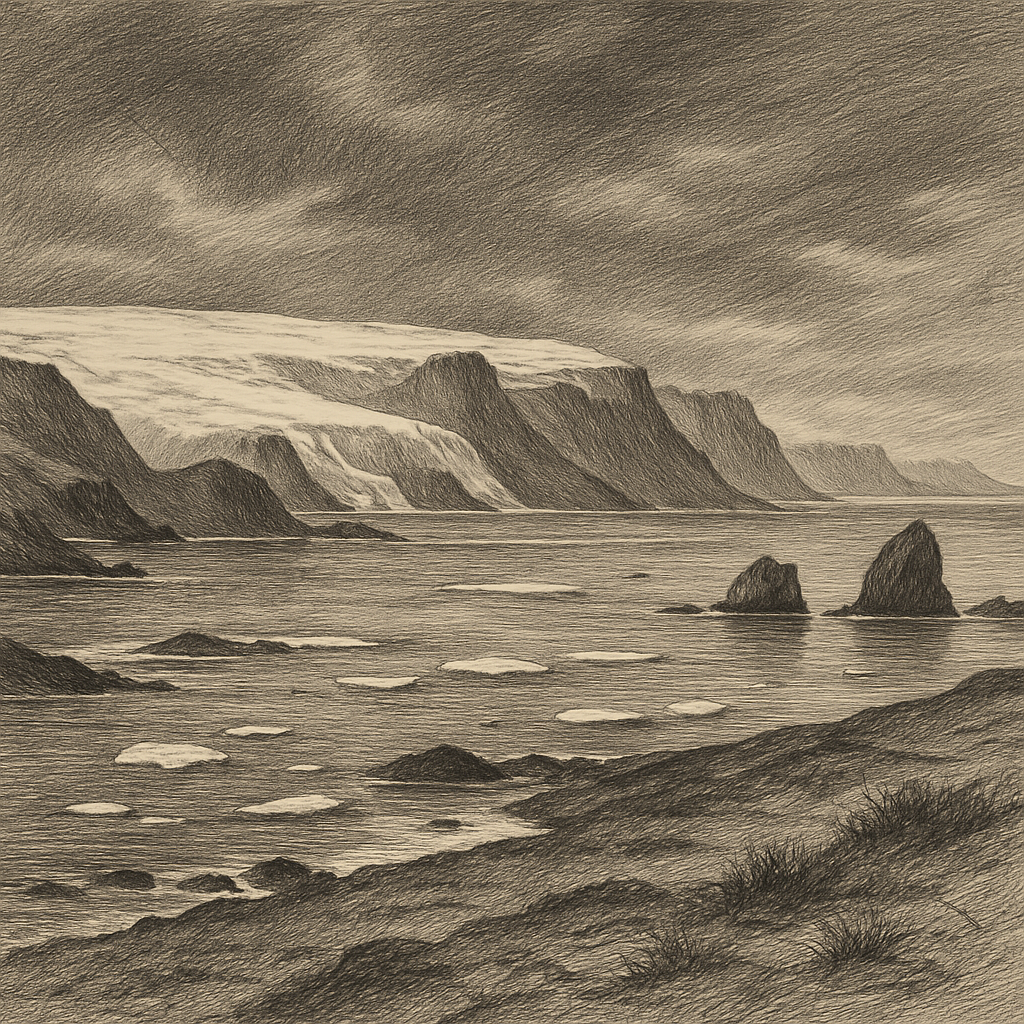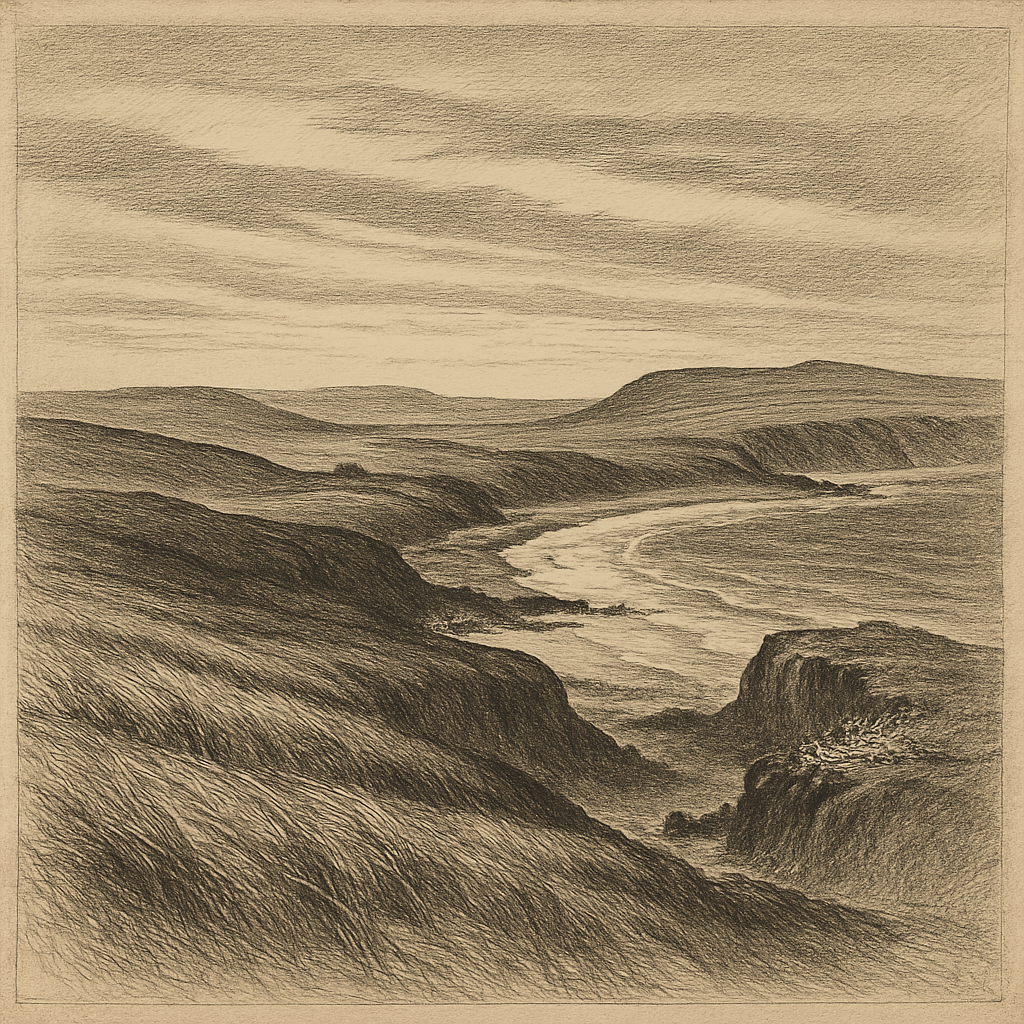
At the rim of the eastern Pacific
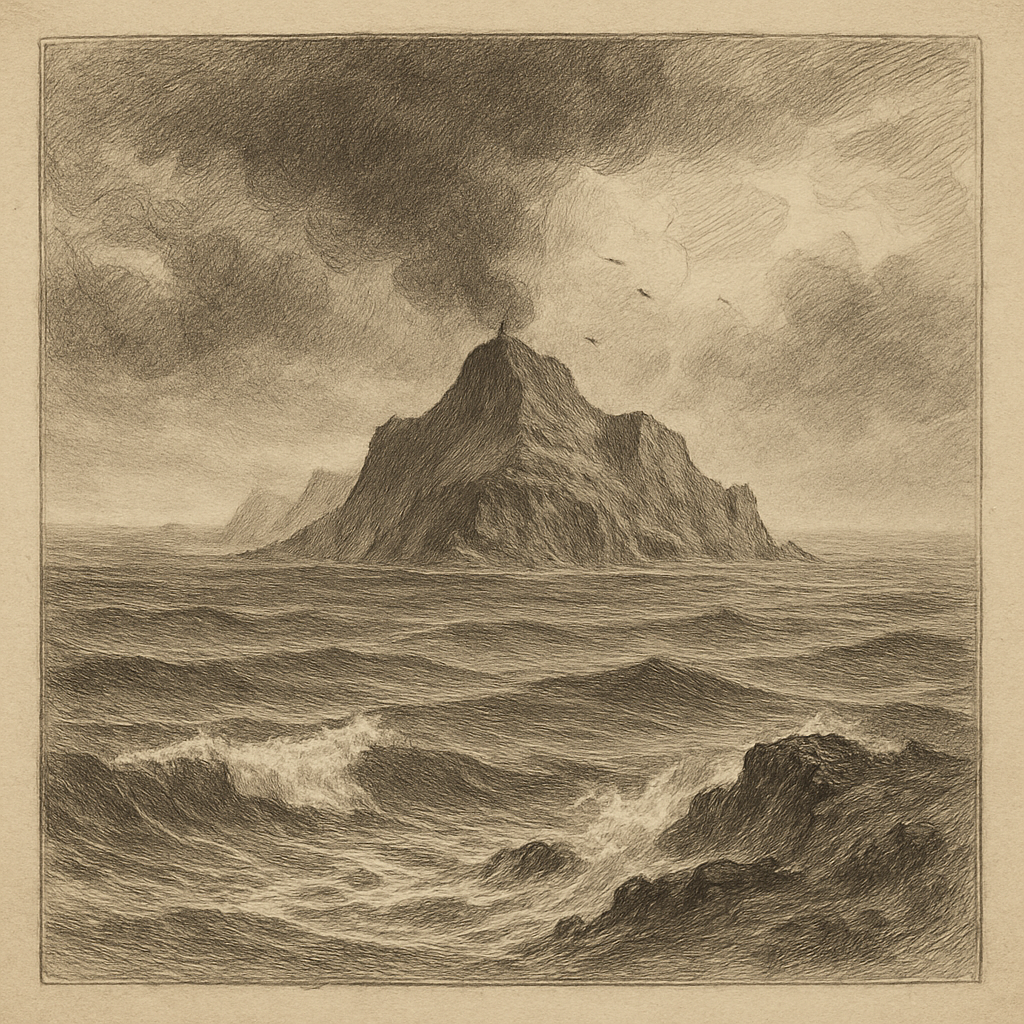
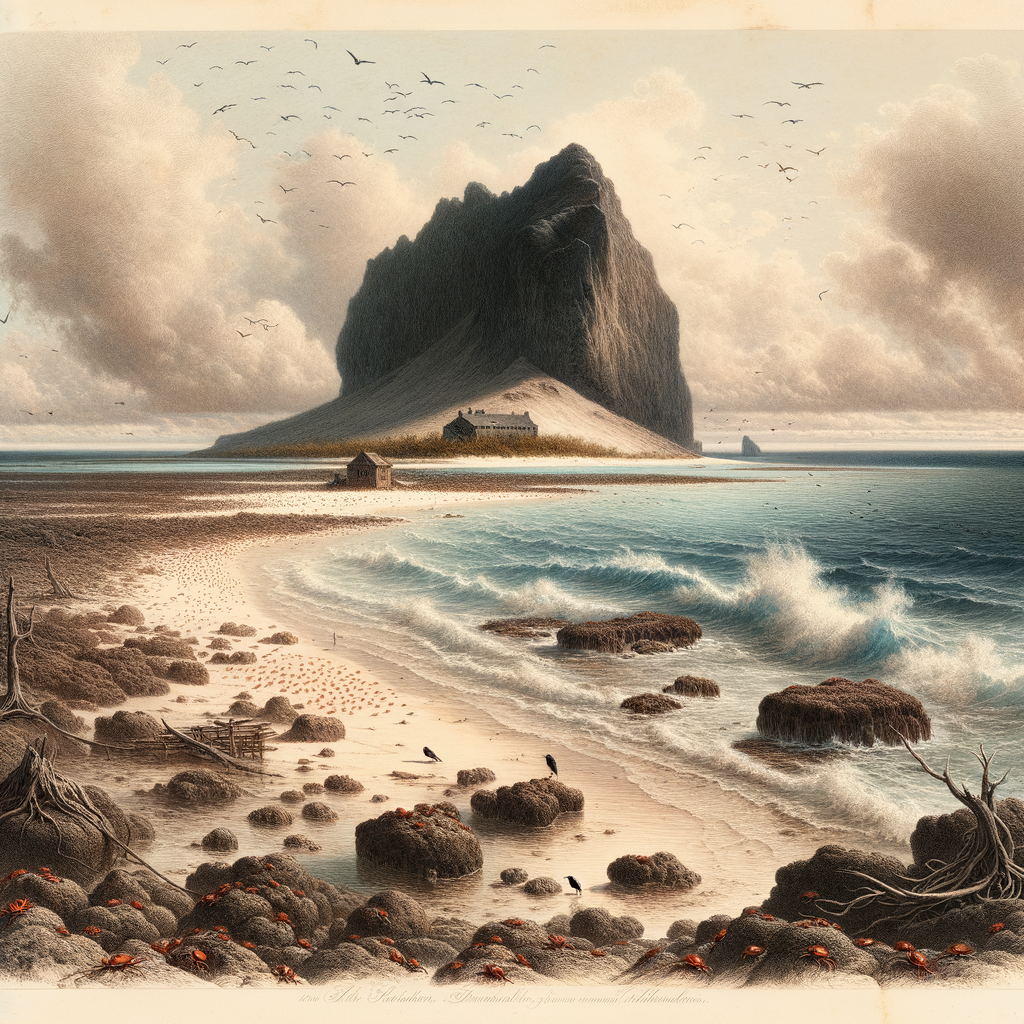
There are islands that invite approach, and there are islands that seem to resist being known. Clipperton Island belongs to the second kind: a lonely ring of coral more than a thousand kilometers off the coast of Mexico, isolated in the open Pacific and so far from any mainland that it can seem less like a place than a rumor on a chart. Ships once passed it warily, seeing from the sea a low, white margin of surf and seabirds, and above it all a single dark volcanic rock rising abruptly from the flat atoll like the last remnant of something older and harder than the rest. From a distance it has the geometry of a dream and the practical hostility of a shipwreck.
It is, in strict terms, an atoll with a twist. Most atolls are all coral and lagoon; this one encloses a stagnant body of water while preserving at its heart that jagged outcrop, known as Clipperton Rock, a remnant of the island’s volcanic origin. The whole formation is small, low, and exposed, its narrow rim scarcely offering shelter against wind, salt, and equatorial sun. Landing has never been easy. The surf can be punishing, and there is no harbor, no stream, no mountain valley, no reassuring depth of soil. The lagoon, cut off from the sea for long periods, became brackish and then in places almost fresh at the surface, but foul beneath, its chemistry strange enough to discourage easy use. Nothing here softens the sense of exposure. The ocean is the climate, the horizon, and the threat.
Possession, illusion, and abandonment
European navigators recorded the atoll in the early eighteenth century, and over time it acquired the layered associations so common in remote maritime places: formal discovery, uncertain naming, later claims, and a reputation exaggerated by distance. Despite the popular echo of piracy in its name, the link to the English buccaneer John Clipperton is uncertain rather than securely documented, one of several small ambiguities that help keep the place half in history and half in sea lore.
For long stretches, however, no one could make much practical use of it. In the nineteenth century, interest sharpened because of guano, that age’s prized fertilizer, and because the atoll’s position gave it strategic value in a vast ocean. Mexico occupied it and established a small settlement and lighthouse. The effort was always precarious. Everything had to be brought in. Isolation was not a romantic condition but a logistical trap.
That trap turned tragic during the Mexican Revolution. Resupply failed. Men left by ship and did not return. Those who remained were marooned with dwindling provisions on a ring of coral that could not sustain them. The story that followed is one of the bleakest in the history of Pacific outposts: hunger, disease, and the slow collapse of order among a handful of survivors cut off from the world. By the time rescue finally came in 1917, only a few women and children were left alive. It is the event most responsible for the island’s grim afterimage, and it needs no embellishment. The facts are severe enough.
A laboratory of seabirds, crabs, and salt
Human absence did not make the place empty. The atoll is one of the most important seabird sites in the tropical eastern Pacific, a breeding refuge for boobies, noddies, terns, frigatebirds, and masked species whose numbers once made the air itself seem animated. Land crabs became famously abundant, carpeting parts of the ground in restless red movement. For years, introduced pigs devastated bird colonies and vegetation; after their removal in the late twentieth century, the ecosystem began a remarkable recovery. On a scrap of land where one species can alter everything, the return of nesting birds became a visible reshaping of the island’s life.
The lagoon has been no less peculiar. Sealed from the sea, then occasionally breached by storms, it has shifted through strange ecological states, stratified and low in oxygen below, hostile to many forms of life and oddly productive for others. Scientists have treated the atoll as a natural laboratory, not because it is pristine in some sentimental sense, but because it is so sharply bounded. Here, the consequences of isolation are easier to read. Currents deliver debris and visitors. Storms redraw the margins. A change in salinity or a new invasive species can remake the whole place.
The island sailors remembered
Among mariners, the atoll’s reputation was shaped less by legend than by difficulty. It sat in a zone of great distances, near routes of commerce and war yet detached from all support, visible but inhospitable. Low islands are dangerous because they appear late; this one, though marked by its rock, still offered little mercy to a vessel in trouble. There were no trees to signal comfort, no anchorage that felt secure, only breaking surf and a shore where a landing boat might be overturned in moments. That practical menace gave it its aura. Sailors did not need ghost stories. They had charts, weather, and the knowledge that some places were hostile simply by existing where they did.
Today it remains uninhabited and administered by France, visited mainly by scientists, naval patrols, and the occasional licensed expedition. Satellite images have made it easier to see, but not less improbable. It still looks like an error in scale: a tiny loop of brightness in the dark Pacific, almost erased by the surrounding water. The old fantasies of treasure and secret refuge fall away before the more compelling reality. This is not an island of abundance but of limits, where survival has always been conditional and where history arrived only briefly, leaving behind rust, bones of buildings, and one unforgettable cautionary tale.
What remains
In the end, what lingers is not merely remoteness, but a particular kind of remoteness: absolute, marine, unsheltered. Many islands feel apart from the world; this one feels exposed to it from every side. The birds return, the crabs continue their patient dominion, the lagoon changes color under the sun, and the volcanic rock keeps watch over a coral ring too small to hide on and too distant to forget. Few inhabited places have generated such a strong sense of human fragility. Few uninhabited ones feel so charged with the memory of what happens when distance stops being an idea and becomes a sentence.