Where the Indian Ocean Turns to Stone and Light
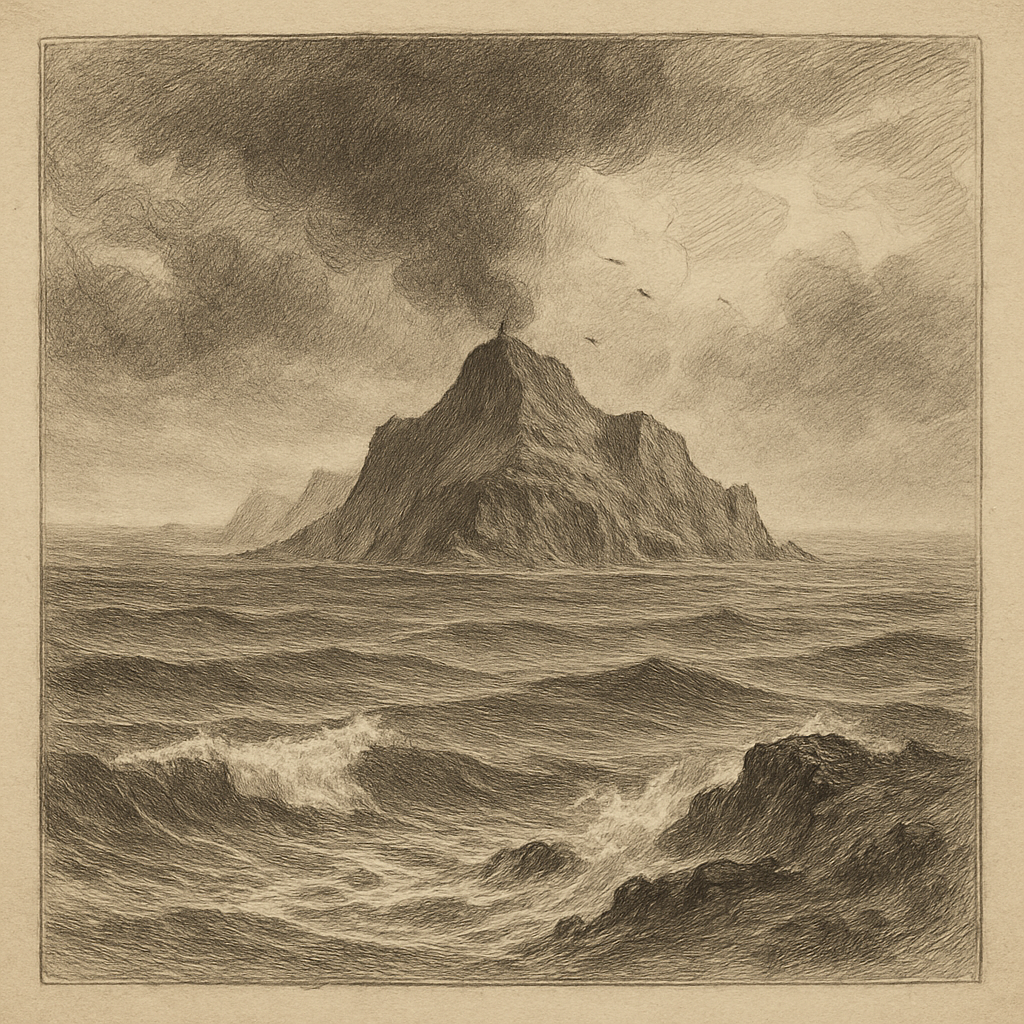
Far out in the western Indian Ocean, north of Madagascar and well beyond the usual mental map of inhabited coasts, Aldabra Atoll lies with the austere presence of a place that seems less discovered than merely encountered. It belongs to Seychelles, yet feels detached even from that famously scattered nation: a raised coral atoll on the edge of weather, tide, and geologic patience. There is no town to arrive in, no harbor bustle, no ordinary human rhythm. What meets the eye instead is a broken ring of limestone islands enclosing a vast lagoon, its channels ruled by currents so forceful that entry has always been difficult and, for long stretches of history, deliberately avoided.
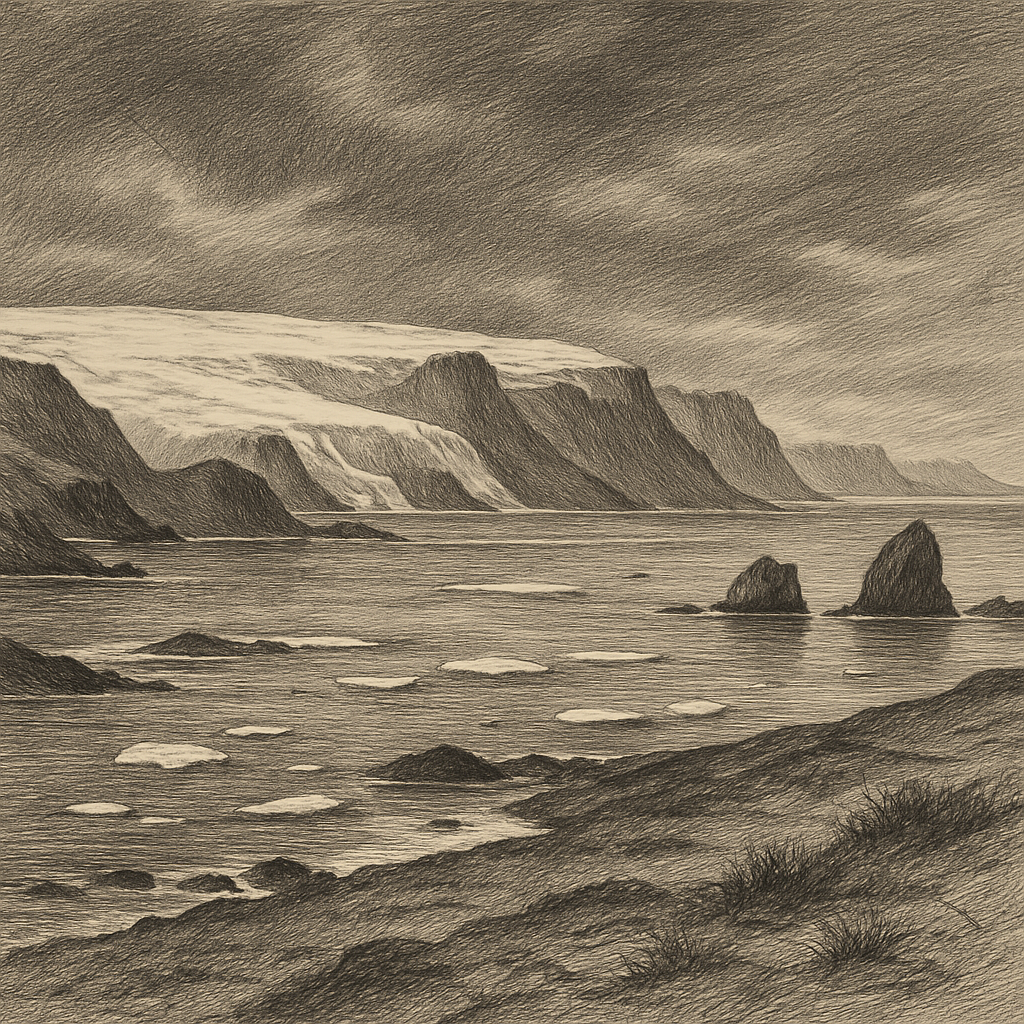
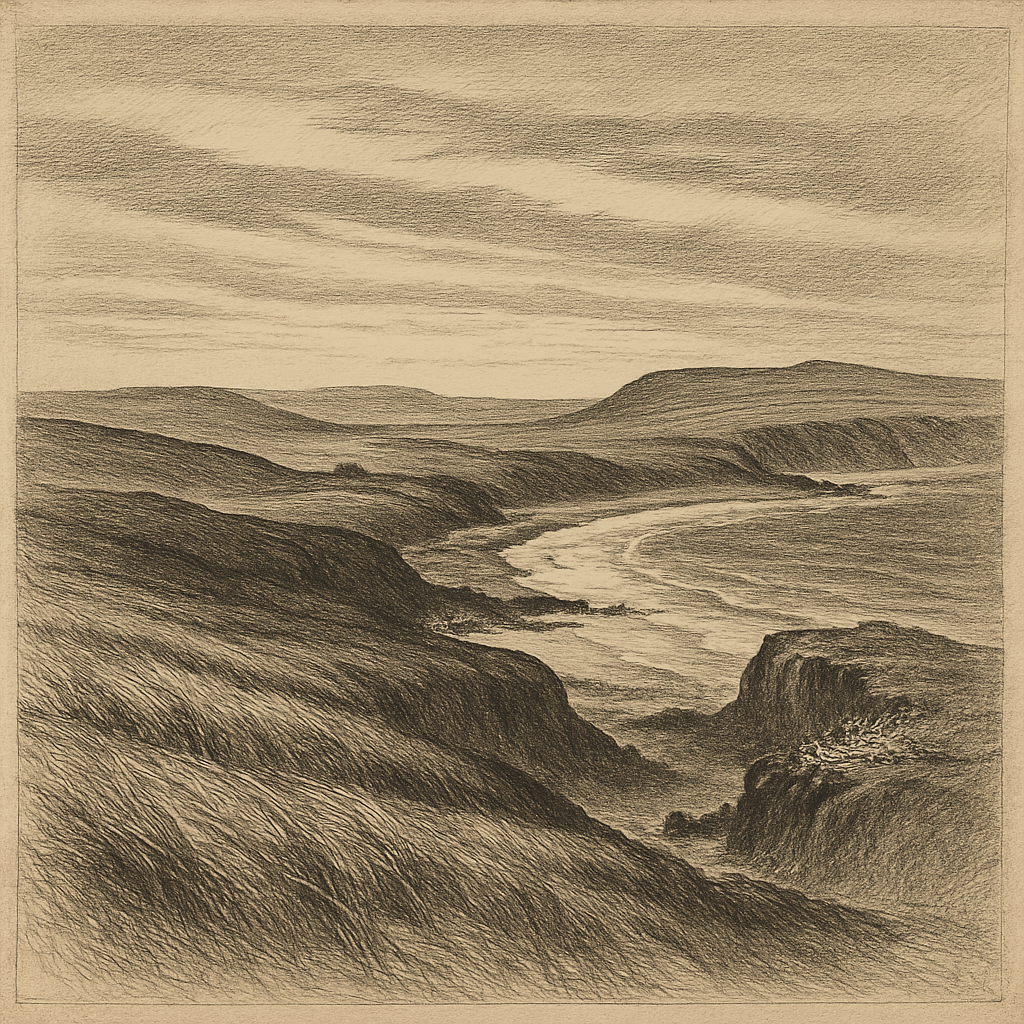
From above, the formation looks elegant. From sea level, it can seem forbidding. The outer rim is made of ancient coral limestone lifted above the sea, serrated and pale, with mangroves, scrub, beaches, and stretches of jagged rock cut by heat and salt. Inside, the lagoon breathes with the tide. Water pours through narrow passes and drains back again, exposing mudflats and reef surfaces in a cycle so dramatic that the landscape appears to rearrange itself each day. This is one reason the place remained largely untouched: even landing is an argument with reef, surf, and timing.
Its remoteness has become part of its scientific importance. The atoll is one of the world’s largest raised coral atolls and among the most significant island ecosystems still functioning with relatively little direct human alteration. UNESCO inscribed it as a World Heritage Site in 1982, recognizing not grandeur in the monumental sense, but something rarer: ecological integrity preserved by difficulty, distance, and restraint.
A Refuge Built by Inaccessibility
Human history here is thin by the standards of most islands, and that thinness is itself revealing. Arab and later European navigators knew of these waters; the name is generally traced to Arabic. Yet there was never a substantial permanent settlement. In the nineteenth century there were attempts to exploit the atoll’s resources, including guano, and there were small, transient communities linked to copra production and turtle harvesting. Such ventures never transformed the place. Conditions were too severe, freshwater too limited, access too troublesome, and profit too uncertain.
During the twentieth century, the atoll passed from being a marginal economic outpost to something far more valuable: a living archive. In the 1960s and 1970s, when outside proposals even included military use, scientists and conservationists argued successfully for protection. That struggle mattered. What survives today is not merely scenery but continuity. Administration and research are now overseen by the Seychelles Islands Foundation, and human presence is restricted largely to scientific staff and conservation management. The result is unusual in the modern world: an island system where absence is not neglect but policy.
There is an eerie dignity in that near-abandonment. Many islands become ghostly because people left after trying to dominate them. Here, the atmosphere comes from how little domination ever took hold.
The Republic of Tortoises, Frigatebirds, and Tides
The most famous inhabitants are giant tortoises, and in numbers so extraordinary that they alter the emotional scale of the place. Estimates have long put the population at well over 100,000, making this the largest remaining population of giant tortoises on Earth. They are descendants of a lineage once spread across many Indian Ocean islands before hunting and introduced animals erased most of them. Their measured movement through open ground and scrub gives the landscape an ancient tempo, as if the island were keeping time in a unit older than clocks.
Birdlife intensifies the sense of a world running by its own rules. The atoll supports immense seabird colonies and one of the world’s largest breeding populations of the greater frigatebird, Fregata minor. It is also one of the very few places where both the greater and lesser frigatebird, Fregata ariel, breed side by side. Mangroves and tidal flats host waders and herons; the surrounding waters shelter green turtles, Chelonia mydas, and hawksbill turtles, Eretmochelys imbricata, that come ashore to nest. In the lagoon and channels, fish move with the pulse of the tide through nurseries protected by labyrinthine shallows.
Then there is the absence that became a zoological landmark. The flightless white-throated rail of this atoll, Dryolimnas cuvieri aldabranus, is often described as the last surviving flightless bird of the Indian Ocean after the losses that followed human colonization elsewhere. Its survival here is not accidental romance; it is biogeography written in negative space, proof of what can persist when cats, rats, and dense settlement do not arrive in overwhelming force.
The Last Impression Is Silence
To write about this place is to confront how much of island history is usually a history of damage, and how unusual it is to find a counterexample on such a scale. The heat is harsh, the limestone cuts, the tides can be treacherous, and the isolation is complete enough to humble any romantic notion of paradise. Yet these very difficulties made preservation possible. Aldabra Atoll remains one of the few great oceanic sanctuaries where ecological processes still feel primary and human ambition, for once, provisional.
What lingers is not just the sight of tortoises under low thorn scrub or frigatebirds suspended in thermal air. It is the sensation of standing at the edge of a lagoon that empties like a drawn breath, hearing wind in mangroves and surf against fossil coral, and realizing that the island’s greatest marvel may be its refusal to become familiar. In an age that has mapped, occupied, and monetized almost everything, this remote ring of uplifted reef still keeps a measure of the old planetary silence.