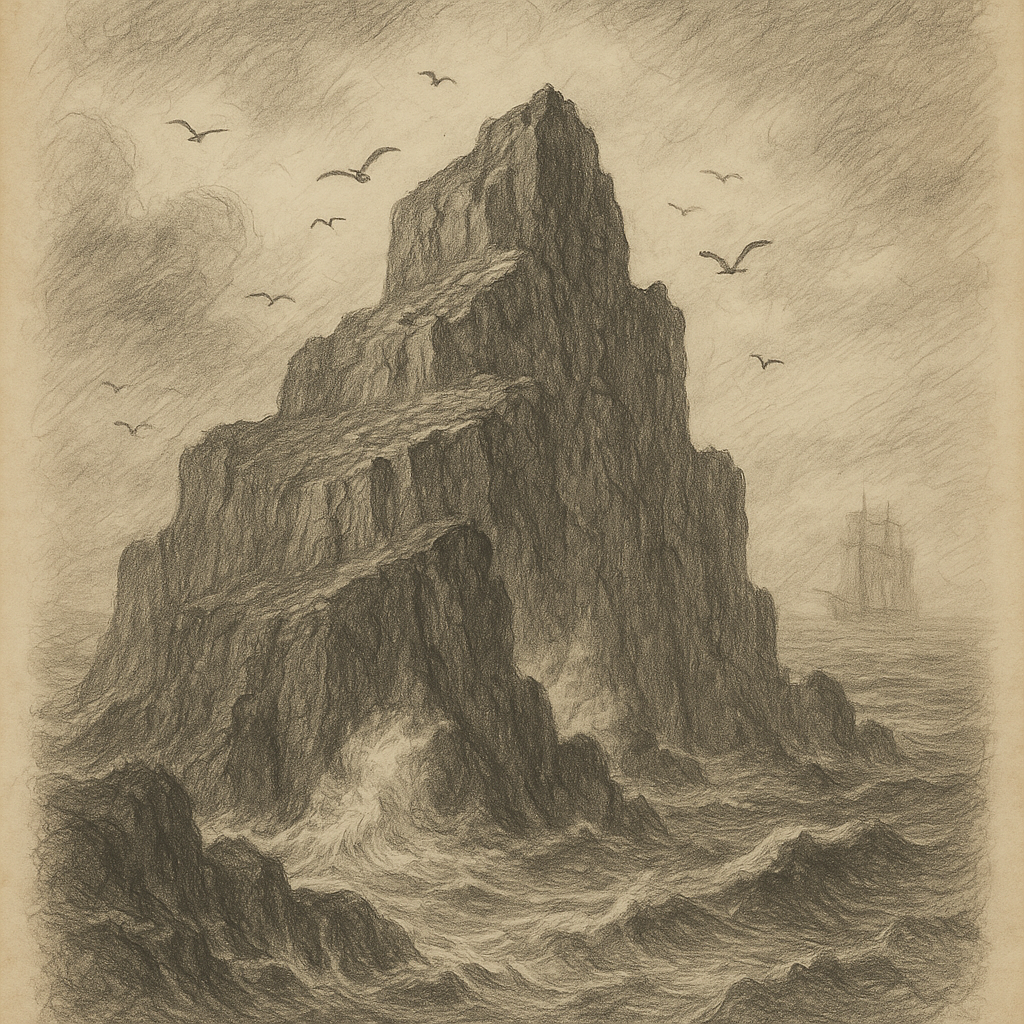
Alert Stack Island: A Remote Sentinel of the Southern Ocean
Alert Stack Island is a small, secluded island located in the stormy waters of Tasmania’s southwest, part of the Maatsuyker Island Group in the Southern Ocean. Known for its isolation, dramatic cliffs, and fiercely protected ecosystem, the island offers a glimpse into a world mostly untouched by human presence. This hidden gem is a testament to the raw power of nature and the resilience of life in extreme conditions.
Location and Geography
Alert Stack Island lies around 7 kilometers south of the main Tasmanian mainland and forms part of the Southwest National Park, which itself is integral to the Tasmanian Wilderness World Heritage Area. The island is best approached by sea in calm weather conditions, a rare opportunity in these often-turbulent waters.
Geographically, Alert Stack is a rocky basalt stack, rising steeply above sea level and shaped by millennia of erosion from the relentless Southern Ocean. The island covers less than one square kilometer, characterized by sheer cliffs, windswept ridges, and narrow plateaus. While the terrain is largely inaccessible, it provides essential nesting ground for seabirds and sustenance for marine wildlife.
Ecological Significance and Biodiversity
As part of the Maatsuyker Islands Group Important Bird Area (IBA), designated by BirdLife International, Alert Stack Island is a significant haven for birdlife, especially seabirds. It plays host to breeding colonies of several protected species, including the short-tailed shearwater (more commonly known as the muttonbird), sooty shearwaters, and fairy prions.
Besides avian residents, the island’s surrounding waters are biologically productive due to strong ocean upwellings, supporting populations of seals, dolphins, and a variety of fish species. The nutrient-rich currents around the island attract migratory species, including humpback and southern right whales during their migration seasons.
Alert Stack Island is pest-free, a rarity among islands of similar scale, which ensures that native flora and fauna continue to thrive undisturbed. The absence of invasive land mammals, such as rats or cats, protects the delicate seabird populations, whose nests and burrows are vulnerable on mainland Tasmania.
Climate and Natural Conditions
The island experiences a temperate oceanic climate, heavily influenced by the Roaring Forties wind belt. Summers are brief and cool, while winters are damp, foggy, and often violent due to direct exposure to Antarctic air masses. Annual rainfall exceeds 2,000 mm, and wind gusts frequently surpass 100 km/h.
These intense and unpredictable weather conditions create a harsh yet fascinating environment. Vegetation clings to life on wind-blasted outcrops, forming hardy communities of low grasses, lichens, and dwarf shrubs. The overall landscape, shaped by wind, salt, and sea spray, offers a powerful reminder of nature’s resilience.
Access and Conservation
Because of its ecological significance and climatic extremity, Alert Stack Island is strictly off-limits to the general public. Only licensed researchers, environmental managers, and wildlife observers may apply for permits granted by the Tasmanian Parks and Wildlife Service. These permissions are limited and must meet stringent environmental standards, ensuring that human impact remains negligible.
Conservation initiatives prioritize monitoring seabird populations, studying oceanographic processes, and maintaining invasive species-free status. These ecological safeguards help to preserve the island’s unique character for future study and appreciation.
Interesting Facts about Alert Stack Island
– The name “Alert Stack” likely originates from the HMS Alert, a British naval vessel that surveyed parts of the Tasmanian coast during the 19th century. The term “stack” refers to its isolated, steep-sided geological formation.
– The island forms part of one of the most windswept regions of the Southern Hemisphere, with the Atlantic and Indian Oceans funneling violent weather through the Southern Ocean.
– It is one of the southernmost outposts of Tasmania before the open sea stretches out to the Antarctic.
– Alert Stack Island is recognized globally as part of Tasmania’s contribution to the UNESCO World Heritage system, cited for its wilderness and biodiversity.
Legends and Mystique Surrounding the Island
Due to its remoteness and uninhabited nature, Alert Stack Island has been shrouded in seamen’s legends and myths for decades. One common tale told by generations of Tasmanian fishers and sailors speaks of ghostly lights seen dancing near the cliffs of Alert Stack during stormy weather. These lights, called “the watchers” by older seafarers, are said to be the souls of drowned mariners from wrecks lost to the southwest coast’s fury.
Another recurring legend involves an old shipwreck rumored to be hidden in one of the island’s sea caves. Though no evidence has ever been found, the tale persists — that deep within a cavern on the island’s south face lies the wooden hulled remains of a 19th-century whaling vessel, guarded by sea lions and accessible only during extreme low tide.
The eerie isolation and unpredictable nature of the surrounding ocean help perpetuate these stories, lending Alert Stack Island a mysterious allure. Its name and foreboding profile rendered in dusky fog continue to stir curiosity and reverence among adventurers and storytellers alike.
Conclusion
Alert Stack Island stands as a stark yet beautiful symbol of nature’s unchecked power. Its solitude fosters life found nowhere else, while simultaneously inspiring folklore that connects human imagination with the wild elements. Though few will ever set foot on its wind-lashed rocks, the island endures as a vital node in Tasmania’s ecological network and a silent sentinel in the Southern Ocean. As science and storytelling intertwine, Alert Stack remains a place of conservation, mystery, and sublime isolation.