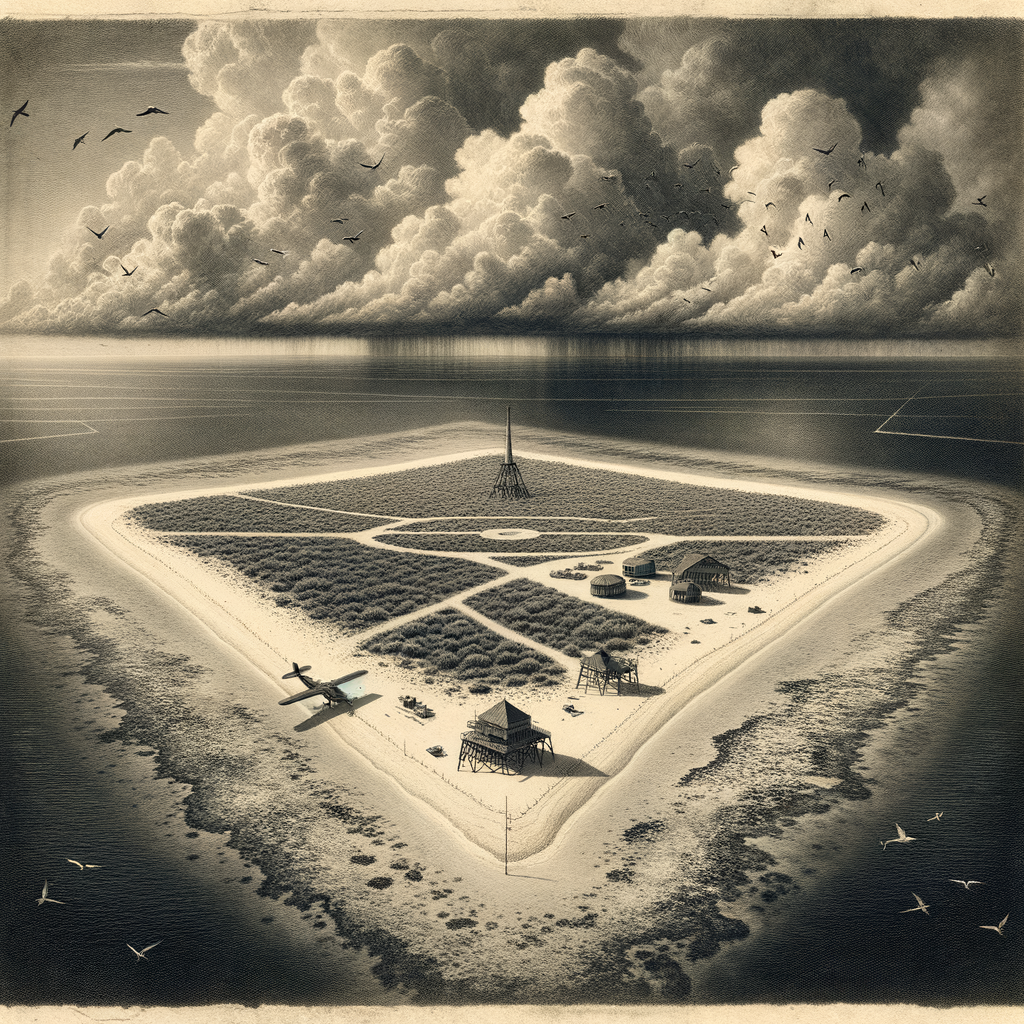
Discovering Annobón Island: A Remote Gem off the Coast of Africa
Annobón Island, a small yet captivating landmass located in the Gulf of Guinea, is one of the most remote and mysterious parts of Equatorial Guinea. Known for its volcanic origin, lush green landscapes, and isolation, Annobón offers a unique glimpse into an untouched corner of our planet. This island may be minuscule in size, but it is rich in natural beauty, distinctive biodiversity, and intriguing folklore.
Geographic Location and Formation
Annobón Island lies approximately 350 kilometers southwest of São Tomé Island and around 595 kilometers off the coast of mainland Equatorial Guinea. Despite its political affiliation, it is geographically closer to the islands of São Tomé and Príncipe. With a total area of only about 17 square kilometers, Annobón is a part of the Cameroon Volcanic Line, a chain of volcanoes stretching from mainland Cameroon into the Atlantic Ocean.
Geologically, Annobón is of volcanic origin. Its centerpiece is the dormant stratovolcano Mount Quioveo, which rises to an elevation of about 598 meters. The island consists of rugged and mountainous terrain, with deep craters and fertile valleys created by past volcanic activity. Over time, erosion and tropical weather have shaped its dramatic cliffs and formed scenic coastal plateaus.
Climate and Ecology
Annobón experiences a moist, tropical climate influenced by the Atlantic Ocean. With an average annual rainfall exceeding 2,000 mm, the environment is perfect for lush vegetation. The island hosts thick rainforests and mangrove ecosystems that support various endemic flora and fauna.
Among the most notable wildlife are unique bird species, such as the Annobón white-eye (Zosterops griseovirescens) and seabirds that nest along the island’s rocky shores. The surrounding waters are teeming with marine biodiversity, including migratory whales, sea turtles, and colorful reef fish. Due to its isolated ecosystem, conservationists consider Annobón among the most ecologically sensitive areas in West Africa.
Population and Way of Life
Annobón’s population is estimated at around 5,000 inhabitants, predominantly living in the island’s two main settlements: San Antonio de Palé, the capital, and Mabana. The people of Annobón are primarily of mixed Portuguese and African descent, with ties to Angolan settlers brought in during colonial times. Portuguese influence is seen in the population’s predominant religion (Roman Catholicism) and in the Annobonese Creole, a Portuguese-based language used in daily communication.
The island’s remoteness makes modern infrastructure limited. Life in Annobón is largely traditional and community-oriented, with fishing and small-scale agriculture forming the backbone of the local economy. The people live in harmony with their environment, relying on the land and sea for sustenance.
Access and Isolation
Reaching Annobón is a challenging endeavor. There are no regular flights, and travel is usually facilitated by the infrequent domestic connections from the mainland or chartered boats. The island’s isolation has preserved its way of life and natural habitats but has also limited development and access to basic services.
Travel to the island generally requires permission from the Equatorial Guinean authorities. Due to its strategic location in the Atlantic and potential marine resources, the government maintains a watchful presence. Efforts have been made to balance limited infrastructure development with preserving Annobón’s fragile ecological balance.
Points of Interest and Natural Attractions
Annobón is known for its dreamlike natural features. The Lago A Pot crater lake in the island’s interior is one of the most striking sights, nestled within thick jungle and providing a serene, almost mystical atmosphere. The Montaña Quioveo peak offers panoramic views of the Atlantic and the island’s unspoiled terrain.
The pristine beaches and coral reefs around the island are ideal for snorkeling, although their remoteness means they are rarely explored. Dense forests, hidden waterfalls, and the diverse bird life make for unforgettable eco-tourism potential, albeit very limited at the present time.
Legends and Folklore
Local folklore plays an essential role in Annobónese culture. According to legend, the island was created by a deity who threw a piece of paradise into the ocean, forming Annobón. This divine origin reflects the islanders’ deep spiritual connection to their land.
Another popular tale is that of a golden fish believed to inhabit the crater lake, Lago A Pot. Elders say it appears only to those seeking wisdom or guidance, and its sighting is a sign of great fortune. Stories of spirits protecting the forests and ancestors whispering with the sea breeze add to the island’s aura of enchantment.
In traditional belief, sacred groves and certain coastal rocks are thought to possess energy from ancestral spirits, guiding the islanders in times of misfortune or decision-making. These stories are passed orally across generations and continue to shape the island’s identity.
Interesting Facts About Annobón Island
– The island was discovered by Portuguese navigators on January 1, 1473, hence its name “Annobón,” meaning “New Year” in Portuguese.
– It is one of the few places in Equatorial Guinea where Portuguese Creole is spoken, showcasing its distinct heritage from other regions.
– Although belonging to a Spanish-speaking country today, Annobón’s cultural roots are more closely aligned with the Lusophone world.
– Annobón was once used by whalers and pirates, making it a notable historical waypoint across Atlantic seafaring routes.
– The island sits roughly on the Prime Meridian, making it one of the rare land areas located at or very near zero longitude.
Preservation and Future Prospects
As global interest in conservation grows, Annobón stands as a candidate for ecological and cultural preservation. Its combination of biodiversity, geological interest, and historical significance makes it valuable for scientific study and sustainable tourism. However, the future of Annobón will depend on balancing connectivity and improvement of living standards with environmental stewardship.
Efforts to include local communities in conservation and to promote awareness about the island’s unique characteristics could pave the way for a better future. As the world turns toward nature-based solutions for climate and biodiversity challenges, Annobón remains an untouched reserve of potential and wonder.
Conclusion
Annobón Island is a rare gem in the heart of the Atlantic, blending natural beauty with cultural depth and mythical charm. Its remoteness has sheltered it from the rapid developments of the modern world, preserving a unique ecosystem and way of life. Whether explored through the tales of its golden fish, the misty trails of Mount Quioveo, or the daily rhythms of its people, Annobón continues to fascinate those fortunate enough to discover it.