Nestled among the remote and windswept islands of the Outer Hebrides in Scotland lies Bearasaigh, a small, uninhabited island also known by its anglicized name, Berisay. Despite its modest size, this rugged island offers a rich history, striking geology, and an air of mystery shaped by centuries of legends and isolation. Located off the western coast of the Isle of Lewis, Bearasaigh remains largely hidden from view, a forgotten relic of Scotland’s wild Atlantic frontier.
Geographical Setting and Physical Features
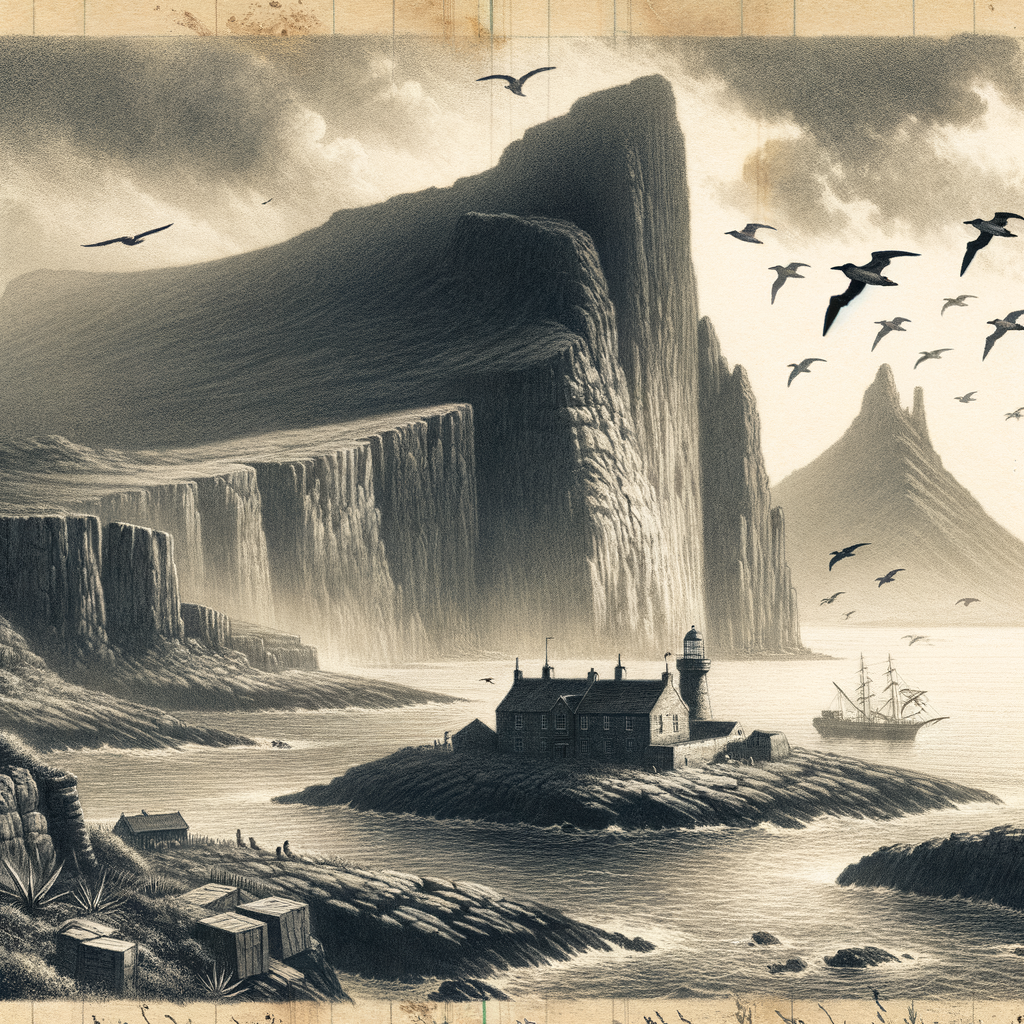
Bearasaigh is situated in the Atlantic Ocean, around 1.5 kilometers northwest of the island of Little Bernera and north of Great Bernera. It is part of a group of islands lying within Loch Roag, a complex sea loch that carves into the west coast of Lewis. The island itself covers a mere 7 hectares and rises steeply from the sea, with rugged cliffs and rocky outcrops dominating its topography.
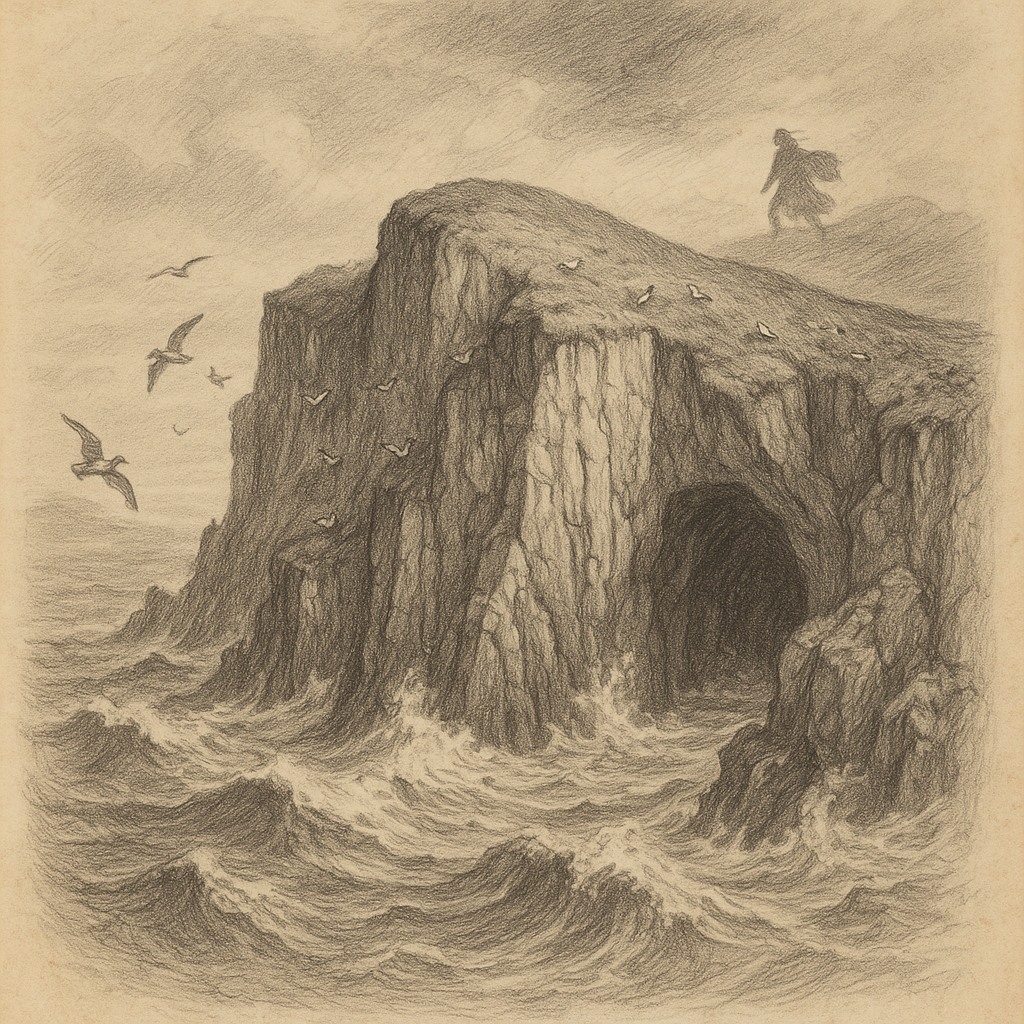
The defining feature of Bearasaigh is its dramatically jagged coastline, interspersed with sea caves, natural arches, and stacks, shaped by centuries of intense wave erosion. Its geological composition consists mainly of ancient Lewisian gneiss, thought to be some of the oldest exposed rock in Europe, dating back over 2.5 billion years.
Ecology and Natural Environment
Although Bearasaigh is uninhabited by humans today, it supports a rich array of seabird life. The steep cliffs and inaccessible ledges make it an ideal nesting site for species such as puffins, razorbills, fulmars, and cormorants. The surrounding waters are teeming with marine life, including grey seals, which often haul out on nearby rocks, and otters that inhabit the inlets around Lewis and the surrounding islets.
The island itself is largely covered in wind-stunted heather and grasses, shaped by the constant Atlantic gales. Due to its isolation and harsh environment, Bearasaigh has avoided the kinds of ecological disturbances seen on more populated islands. This has allowed it to remain a relatively undisturbed natural site amid an increasingly threatened biodiversity landscape across the Hebrides.
Historical Significance
In the 17th century, Bearasaigh played an unexpected role in Scottish history. It served as a temporary stronghold for the outlawed Neil MacLeod, son of the deposed Chief of Clan MacLeod of Lewis. After resisting King James VI’s campaign to pacify the Highlands and islands, MacLeod and a small band of followers took refuge on Bearasaigh around 1613.
From this remote island, MacLeod famously held off government forces for almost three years, surviving under extreme conditions. Bearasaigh’s sheer cliffs and unobtrusive location provided a natural fortress against enemies. Some believe remnants of a crude fortification still exist on the island, though the winds and weather have likely worn away much of the original structure.
Eventually, MacLeod was captured, but his stand on Bearasaigh became legendary in local folklore.
Modern-Day Exploration and Adventure
Although uninhabited, Bearasaigh attracts a small number of adventurous visitors each year, mainly kayakers, climbers, and naturalists. It is particularly known among the Scottish climbing community for its challenging sea stacks and cliffs. Climbers are drawn by the opportunity to scale untouched rock faces in complete solitude — accompanied only by the sound of crashing waves and seabirds overhead.
Sea kayakers often explore the intricate network of caves and channels around Bearasaigh and nearby islets, including Pabaigh Mòr and Little Bernera. However, access is highly dependent on calm sea conditions and tidal patterns, making any trip to Bearasaigh a venture requiring both experience and respect for the ocean’s power.
Interesting Facts About Bearasaigh
Bearasaigh is sometimes mistakenly thought to be part of the Flannan Isles, another remote group in the Outer Hebrides, but it is geographically and historically distinct. A rare sighting of a basking shark was made near Bearasaigh in recent years, highlighting the richness of the surrounding marine ecosystem.
The area around Bearasaigh was used during naval maneuvers in World War II, though the island itself remained untouched by any permanent military installations. Despite the lack of official archaeological excavations, locals believe that Norse artifacts may yet lie undiscovered beneath the island’s turf, since Norse settlers were known to frequent this part of the Hebrides.
Myths and Legends of Bearasaigh
Bearasaigh may be small in size, but folklore has long given it a fantastical place among Hebridean legends. According to oral tradition, the island was once protected by a sea-spirit — a “ceasg”, a half-woman, half-fish creature of Gaelic mythology — who would guard the island’s shores and sing eerie melodies in the moonlight. Some fishermen claimed to have heard her songs echoing through the mist, warning them of approaching storms or urging them safely home.
Another legend tells of a hidden treasure buried on Bearasaigh by Norse raiders, allegedly cursed to bring misfortune to anyone who tries to unearth it. Over time, this tale gave the island an atmosphere of mystique and danger, causing local fishermen to refer to it as “Eilean nan Taisbean” — the Island of Apparitions.
Conservation and Access Today
Today, Bearasaigh remains one of the last truly untouched places in the British Isles. It falls under the jurisdiction of the Comhairle nan Eilean Siar (Western Isles Council) and is included in several marine and coastal environmental protection zones. Its ecological fragility and small size mean that visits are best undertaken with minimal impact and often require permission from local authorities or landowners.
No permanent infrastructure exists, and there are no piers or shelters — reinforcing the importance of careful planning for those who wish to explore its shores. Whether visited for climbing, natural observation, or cultural interest, Bearasaigh continues to thrive as an isolated sentinel of the Scottish coast.
Bearasaigh is a hauntingly beautiful, remote island steeped in natural wonders and cultural heritage. From its dramatic cliffs and seabird colonies to its role in Scottish rebellion and its enduring legends, the island offers a potent mix of history, mystery, and raw wilderness. For those drawn to the untamed fringes of the world, Bearasaigh stands as a stirring reminder of the enduring power of nature and the stories shaped by solitude.