Beauchene Island: A Remote Haven at the Edge of the World
Beauchene Island is the southernmost island of the Falkland Islands, located approximately 54 kilometers (34 miles) south of Porpoise Point, East Falkland. Isolated from human activity, rarely visited, and often cloaked in mist, Beauchene is a botanical, ornithological, and historic treasure steeped in mystery and natural splendor.
Geography and Location
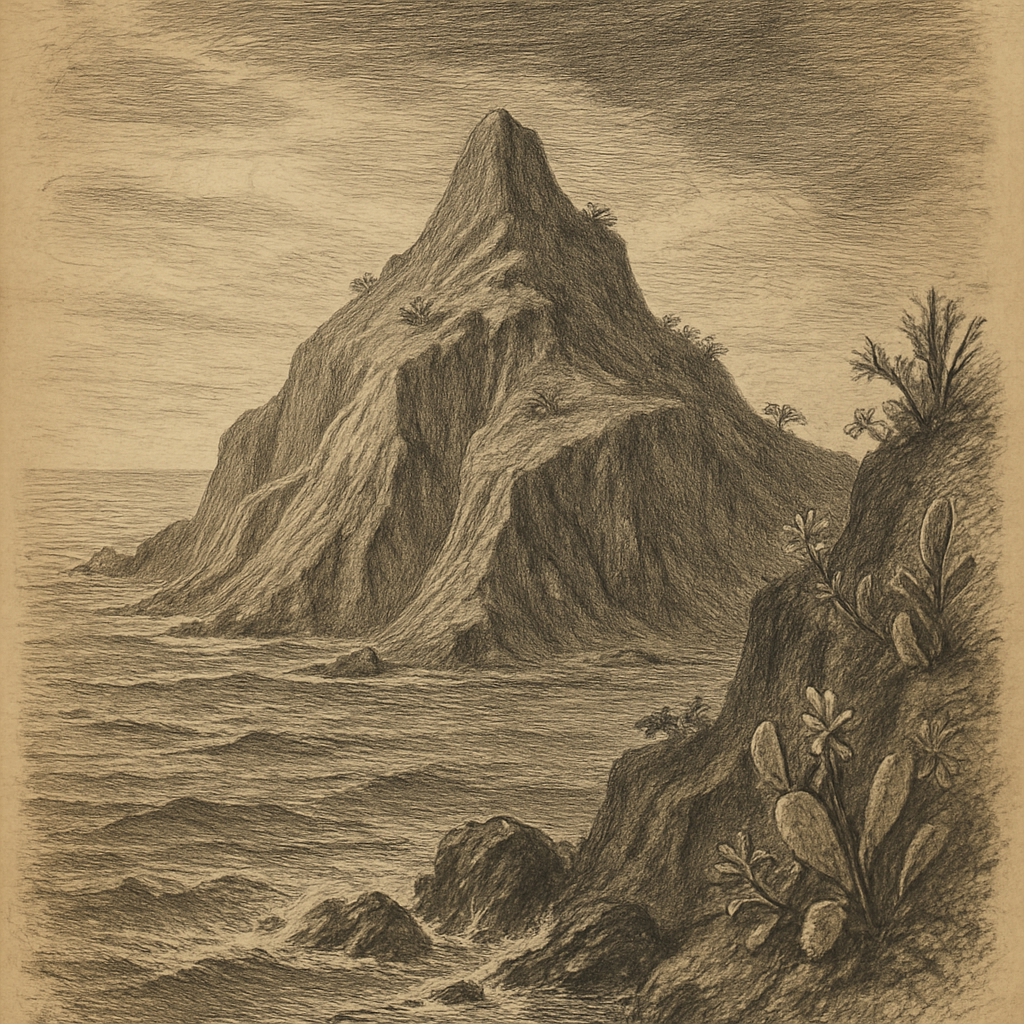
Beauchene Island is a rugged landmass rising from the cold South Atlantic Ocean. Covering roughly 172 hectares (1.72 km²), it is only 1.5 kilometers wide and stretches about 3.5 kilometers in length. The island’s steep cliffs, especially on its eastern side, mark a dramatic boundary against the waters of the Scotia Sea, with jagged outcrops and wave-battered shorelines.
Geologically, Beauchene is part of the Falkland Plateau, a submerged continental fragment separated from the South American Plate. It is composed primarily of sandstones and siltstones, with deep crevices and hollows offering shelter to a diverse range of flora and fauna. Because of its southern latitude and exposure to prevailing winds and waves, Beauchene experiences a cool, moist maritime climate accompanied by frequent fog and storms.
Flora, Fauna, and Environmental Significance
Despite its small size and remoteness, Beauchene Island boasts an extraordinary level of biodiversity. It has remained ecologically pristine largely due to its isolation and restricted human access, allowing unique habitats to develop without the impact of invasive species.
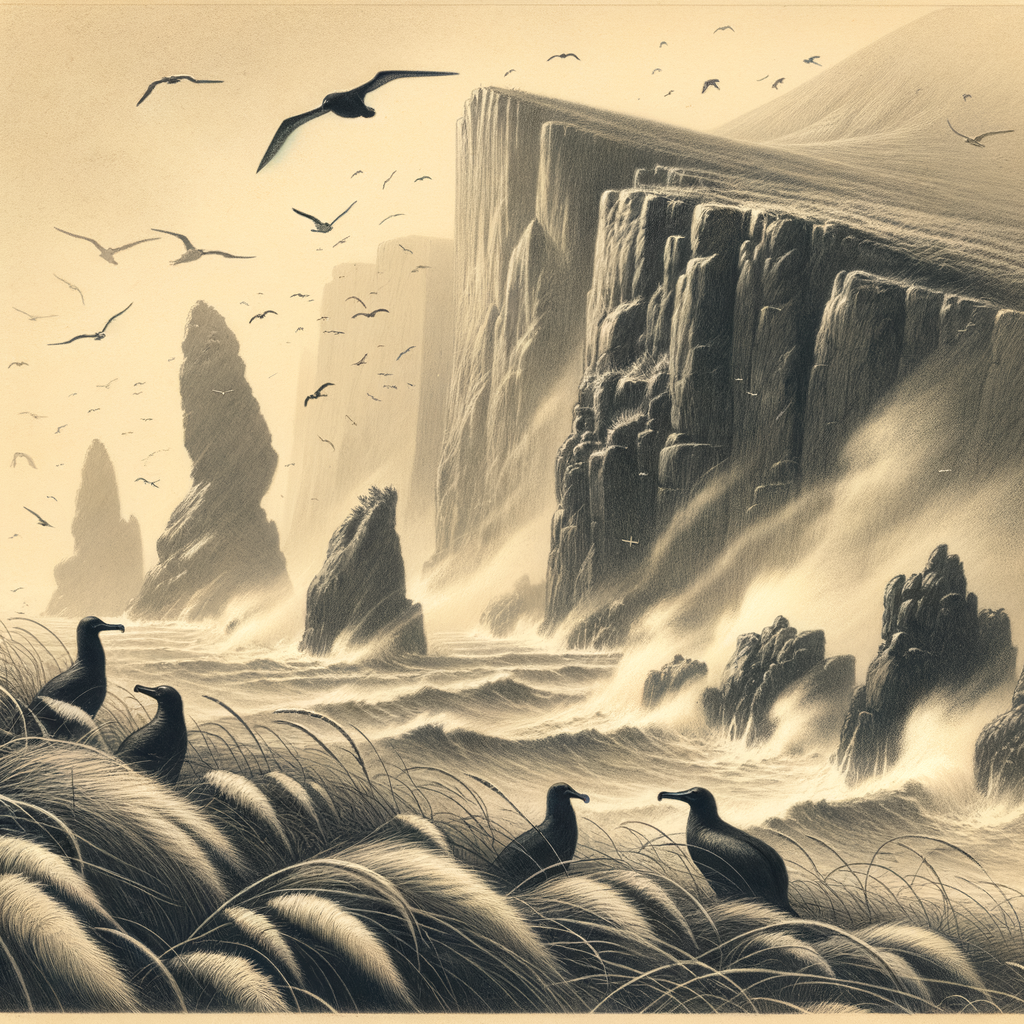
Among its most significant ecological roles is serving as an important breeding site for seabirds. Over 100,000 pairs of black-browed albatross (Thalassarche melanophris) nest on the island’s tussac grass slopes, making Beauchene one of the most critical nesting areas for this species on Earth. Rockhopper penguins, imperial cormorants, and southern giant petrels also populate the island in large numbers.
Marine mammals, such as South American fur seals and southern sea lions, haul out on its shores. The surrounding nutrient-rich waters attract a variety of cetaceans, including orcas and sei whales. The dense tussac grasslands and peat bogs shelter several rare plant species, contributing to the island’s renowned ecological richness.
Due to its vulnerability and importance, Beauchene Island is a designated nature reserve under Falkland Islands law, and access is controlled strictly by permits for scientific or conservation purposes only.
Human History and Exploration
Though uninhabited today, Beauchene Island has a brief but intriguing history. It was discovered in 1701 by French mariner Jacques Gouin de Beauchêne, from whom the island takes its name. During the 18th and 19th centuries, whaling and sealing ships occasionally visited the region, drawn by the abundance of marine life.
In the early 20th century, the Falkland Islands Government constructed a modest hut for sealers on Beauchene, but the challenges of isolation, extreme weather, and lack of fresh water soon limited further human engagement. No permanent structures remain today, and the island has since reverted to a state of wild seclusion.
Fascinating Facts about Beauchene Island
– Beauchene Island is among the least disturbed islands in the South Atlantic, having never experienced the introduction of alien species such as rats, mice, or cats, which plague many other island ecosystems.
– Parts of Stanley’s historic banking records and artifacts from early sealers have reportedly been found at Beauchene’s coast, preserved by the peaty soil and cool temperatures.
– The island’s inaccessibility has made it a haven for researchers studying seabird ecology and climate change. Long-term monitoring projects have been active since the 1980s.
– The waters surrounding Beauchene form part of a proposed marine conservation zone that aims to protect not only island life but also unique benthic ecosystems offshore.
Legends and Lore of the Island
Although Beauchene is largely uninhabited and seldom visited, its remoteness has sparked a number of local stories and legends. One of the most enduring tales revolves around a group of sealers in the 19th century who vanished mysteriously after setting out for the island. Accounts from that time suggest they were last seen heading south with provisions for a month but were never heard from again. To this day, fishermen from the Falklands speak of ghostly sightings of figures on the cliffs of Beauchene—believed by some to be the restless spirits of those lost men.
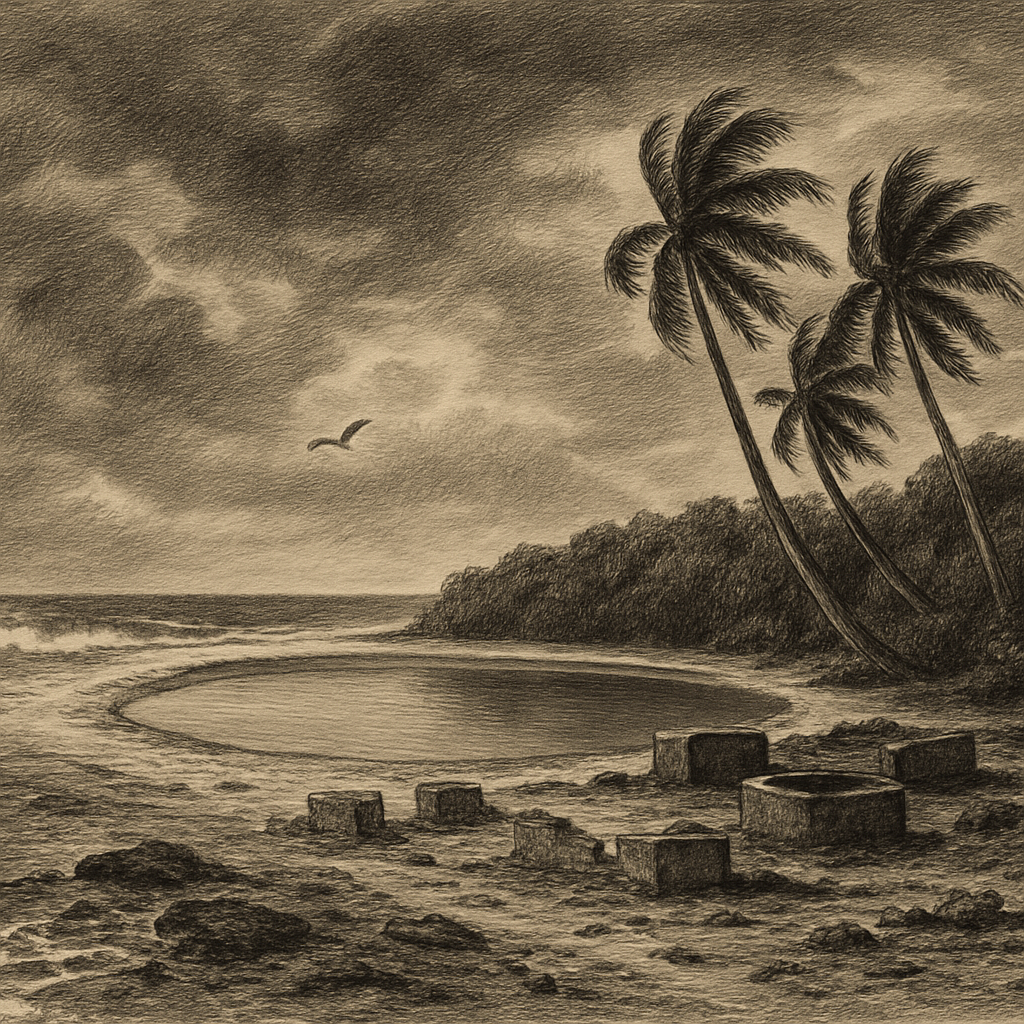
Another story, often told in Stanley’s maritime taverns, speaks of a buried cache of Spanish treasure supposedly hidden on Beauchene by pirates navigating the perilous waters during the colonial era. Although no such treasure has ever been found, unexplained stone arrangements and markings occasionally discovered by researchers have fueled continued speculation.
Because of its fog-laden coasts, enigmatic rock formations, and sounds carried by echoing seabird cries, Beauchene Island occupies a unique position in regional folklore—as a place where nature rules, time is suspended, and the line between reality and myth becomes blurred.
Conservation and Access
Beauchene Island’s status as a protected nature reserve means human activity is kept to a minimum. Access requires special permission from the Falkland Islands Government and is limited to scientists engaged in ecological research. Even then, visits are overseen carefully to minimize environmental impact.
The island plays a critical role in regional biodiversity conservation strategies, especially in the face of climate change and rising ocean temperatures. Ongoing monitoring of its seabird populations, vegetation, and weather patterns help inform broader conservation policies across the South Atlantic ecosystem.
Conclusion
Beauchene Island is more than just a dot on the map—it is a living laboratory, a natural sanctuary, and a beacon of ecological purity in a rapidly changing world. With its windswept cliffs, teeming bird colonies, and shroud of mist and lore, the island stands as a reminder of nature’s resilience and mystery. For the few who have glimpsed its shores or heard its tales, Beauchene occupies a mythical place between the real and the imagined, at the very edge of the world.