Bougainville Island: The Hidden Gem of the South Pacific
Bougainville Island is a remote and lushly forested landmass located in the Solomon Sea in the southwestern Pacific Ocean. This captivating and historically important island is part of the Autonomous Region of Bougainville within Papua New Guinea. With volcanic mountains, dense rainforests, a rich cultural tapestry, and a complex political history, Bougainville Island stands as one of the Pacific’s most intriguing and secluded destinations.
Geographic Location and Geology
Bougainville Island is the largest in the Solomon Islands archipelago, though politically distinct from the Solomon Islands country. Covering approximately 9,300 square kilometers, it is flanked to the north by Buka Island, separated by the narrow Buka Passage, and to the southeast by the smaller Shortland Islands. The Bougainville Strait separates the island from Choiseul Island to the south.
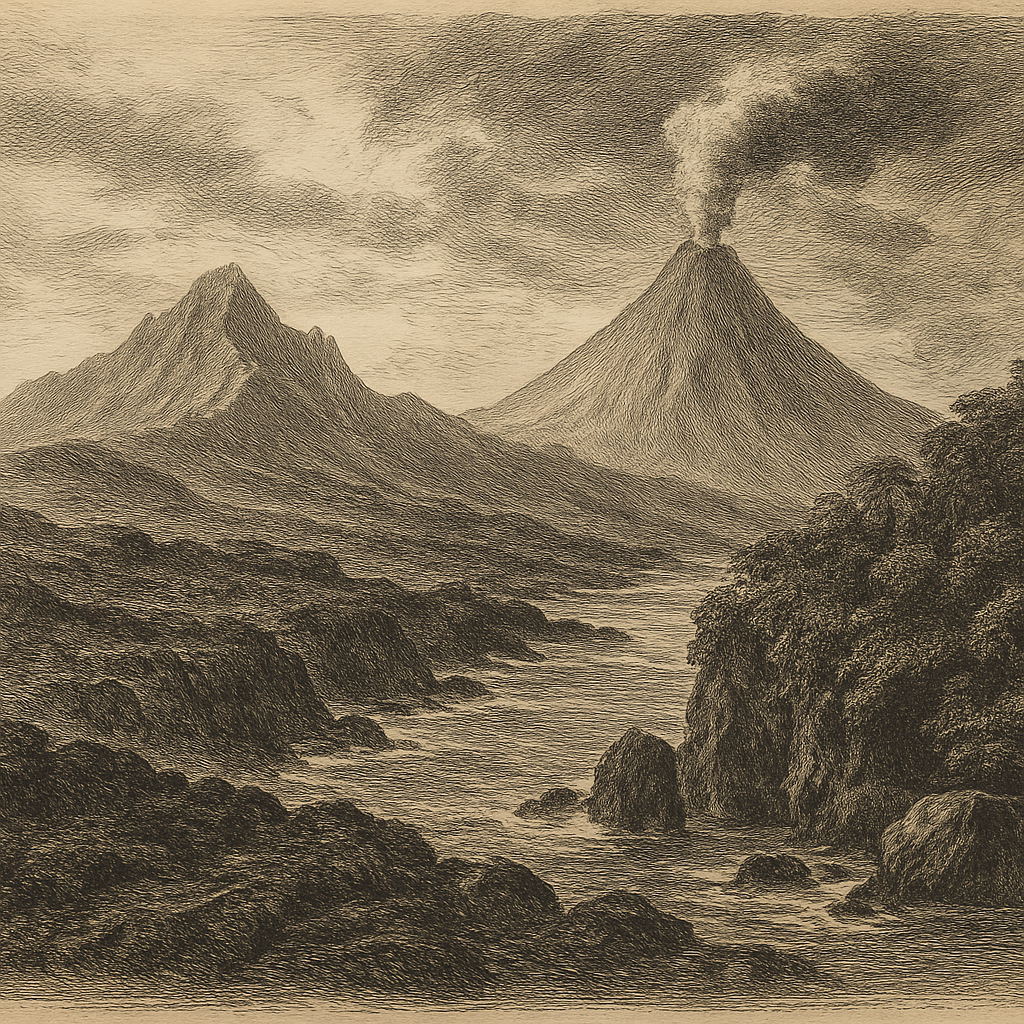
The island lies on the Pacific Ring of Fire and is of volcanic origin. Two large volcanoes, Mount Bagana and Mount Balbi, dominate the island’s rugged topography, reaching elevations above 2,700 meters. Mount Bagana remains one of the most active volcanoes in the region, frequently emitting ash and lava. The geological dynamism of the island has shaped its landscape — from lava-strewn highlands to fertile valleys and low-lying coastal plains.
Climate and Biodiversity
Bougainville Island enjoys a tropical rainforest climate with high humidity and year-round rainfall averaging about 3,000 to 4,000 millimeters. This climate, combined with the island’s relative isolation, supports a diverse and unique array of ecosystems. Dense tropical rainforests blanket much of the island, serving as habitats for endemic plant species and birds, including rare parrots and the elusive Melanesian Megapode.
The surrounding marine environment features rich coral reefs and teeming fish populations. The reefs and mangroves serve not only as vital ecosystems but also as sources of sustenance and livelihood for local communities. Several species of sea turtles, dolphins, and migratory whales frequent Bougainville’s coastal waters.
History and Culture
Bougainville’s human history dates back tens of thousands of years. The island is home to numerous indigenous groups, each with its own language, customs, and societal structures. The most prominent groups include the Nasioi, Buin, and Siwai peoples. More than 20 distinct languages are spoken on the island.
European contact began in the 18th century, with the French explorer Louis-Antoine de Bougainville, after whom the island is named, making early records in 1768. During the 19th and early 20th centuries, Bougainville came under German, and later Australian, colonial administration.
Bougainville also played a strategic role during World War II when Japanese and Allied forces battled in the region. The island served as a key Allied base after a successful campaign seized control from Japanese occupation in 1943.
Political Struggles and Autonomy
Bougainville’s more recent history is marked by a protracted struggle for independence from Papua New Guinea. Tensions emerged largely from disputes over the Panguna copper mine, at one point one of the largest open-pit mines in the world. Environmental degradation and inequitable sharing of profits ignited a civil conflict in the late 1980s known as the Bougainville Crisis, which claimed an estimated 20,000 lives.
The conflict officially ended in 2001 with the Bougainville Peace Agreement, leading to the creation of the Autonomous Bougainville Government. In 2019, the people of Bougainville overwhelmingly voted in a non-binding referendum in favor of independence. Negotiations with the Papua New Guinea government are ongoing, with Bougainville expected to achieve full sovereignty within the coming decade.
Points of Interest and Natural Attractions
Bougainville Island is a treasure trove for adventurous travelers and researchers. The central mountains offer spectacular views, while the crystal-clear rivers such as the Jaba and Tui rivers are ideal for kayaking and exploration. The island’s remote beaches remain unspoiled and host traditional fishing villages offering rare glimpses into untouched Melanesian life.
One of the most unique attractions is the active Mount Bagana. Although access is limited due to volcanic activity, the surrounding forests and fumaroles are of high scientific interest. Nearby, Lake Loloru, a volcanic crater lake surrounded by stunted cloud forest, holds a sacred place in local mythology and draws the curious few who make the trek to its misty shores.
Interesting Facts About Bougainville Island
Bougainville Island is full of surprises and lesser-known facts that make it stand out even among the Pacific’s many remote territories:
– The native people often refer to themselves as Bougainvilleans, emphasizing ethnic and cultural identity apart from Papua New Guinea.
– The island has no road connecting it fully from north to south due to its rugged terrain; travel often involves boats and footpaths.
– The Panguna Mine, though closed since the late 1980s, still dominates discussions about economic recovery and future development.
– Bougainville has a matrilineal society in many of its regions, where inheritance and land rights pass through the female line.
– The island is considered one of the few places where native languages are still robust and widely spoken in everyday life.
Legends and Mythology
The people of Bougainville possess a rich oral tradition, with myths and legends passed down through generations. One of the most enduring local legends tells of Lake Loloru, believed to be a sacred place where the spirits of women journey after death. The story goes that a mother and daughter drowned in the crater during a time of tribal war, and their presence continues to protect the area. Individuals entering with disrespectful intent are said to be cursed.
Another frequently recounted tale concerns the creation of the island. According to one tradition, Bougainville was formed from the tears of a great sky goddess whose sadness gave birth to the rivers and forests that now breathe life into the island.
These myths are more than stories; they are a spiritual compass for the inhabitants, guiding their relationship with the natural world and with one another.
Conclusion
Bougainville Island is a place of profound natural beauty, complex history, and resilient human spirit. Its volcanic peaks, pristine rainforests, and vibrant cultures weave together into a unique identity that continues to evolve. As the island approaches the threshold of potential nationhood, the world may soon come to know Bougainville not merely as a distant Pacific island, but as a rising voice among independent nations — deeply rooted in ancestry, yet boldly stepping into the future.