Bylot Island: Arctic Wilderness and Hidden Legends
Bylot Island, located off the northern tip of Baffin Island in Nunavut, Canada, is an uninhabited and remote island in the Canadian Arctic Archipelago. Named after the English explorer Robert Bylot, this Arctic gem is known for its stunning natural beauty, unique biodiversity, and a mystique shaped by indigenous legends.
Geographical Location and Characteristics
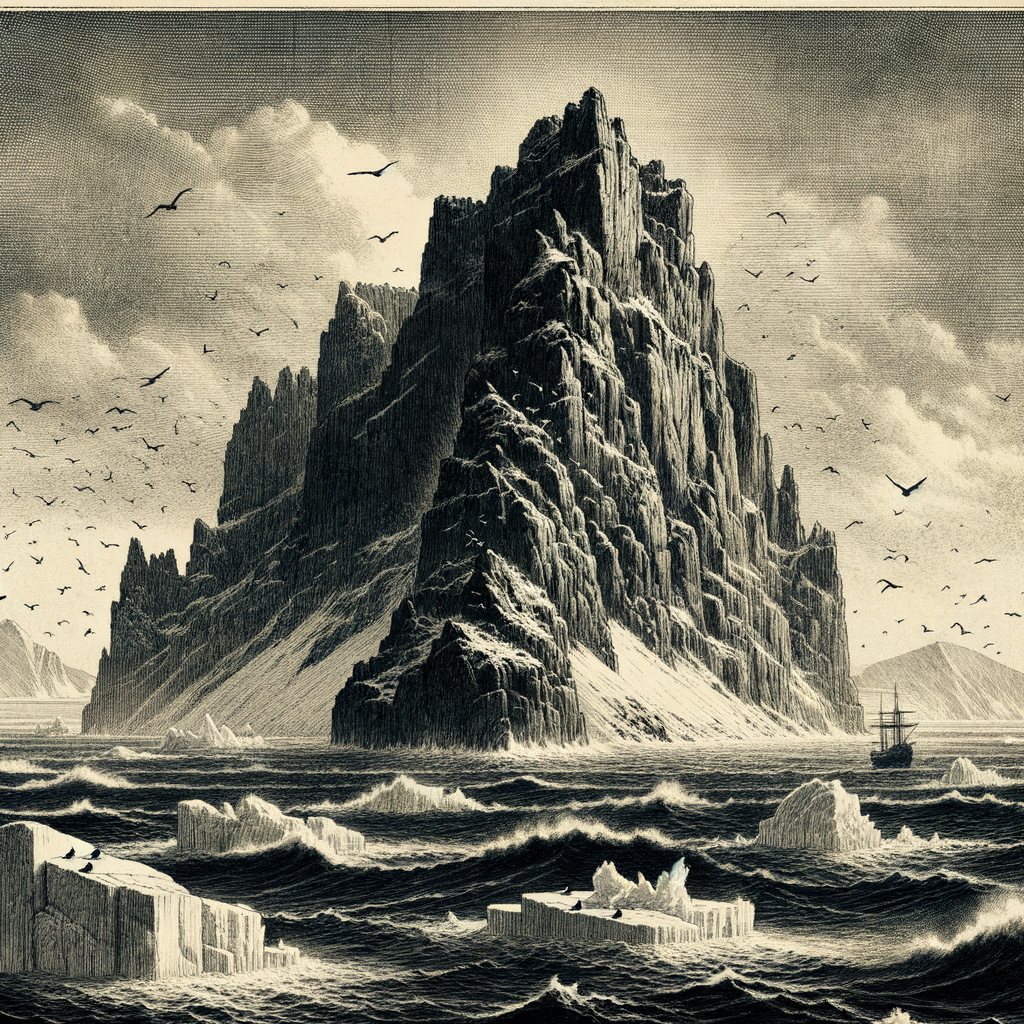
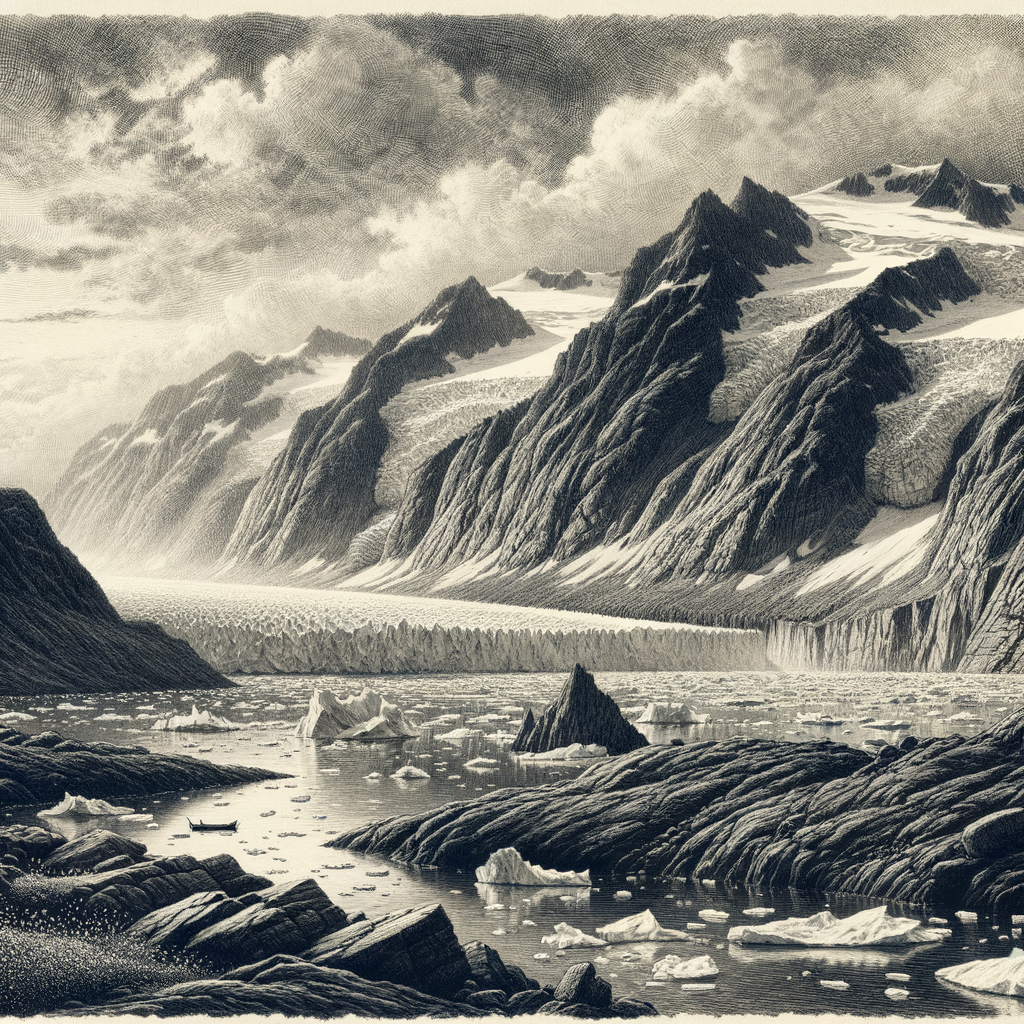
Bylot Island lies within Sirmilik National Park, just across the Eclipse Sound from the Inuit community of Pond Inlet. Covering an area of approximately 11,067 square kilometers, it is one of the largest uninhabited islands in the world. The island is mountainous, with peaks such as Angilaaq Mountain rising over 1,900 meters above sea level, dominating the landscape alongside dramatic fjords, glaciers, and ice fields.
Part of the Arctic Cordillera, Bylot Island features rugged terrain sculpted by ancient glaciers and geological activity. The island’s coastline is deeply indented by bays and inlets, creating refuge for diverse wildlife and unique nesting grounds for Arctic birds.
Climate and Ecology
Bylot Island has a polar climate, with long, harsh winters and brief, cool summers. Temperatures can dip below -30°C in winter, rising only slightly above freezing during summer months. Despite the extreme conditions, the island supports a rich biodiversity specially adapted to survive in the Arctic environment.
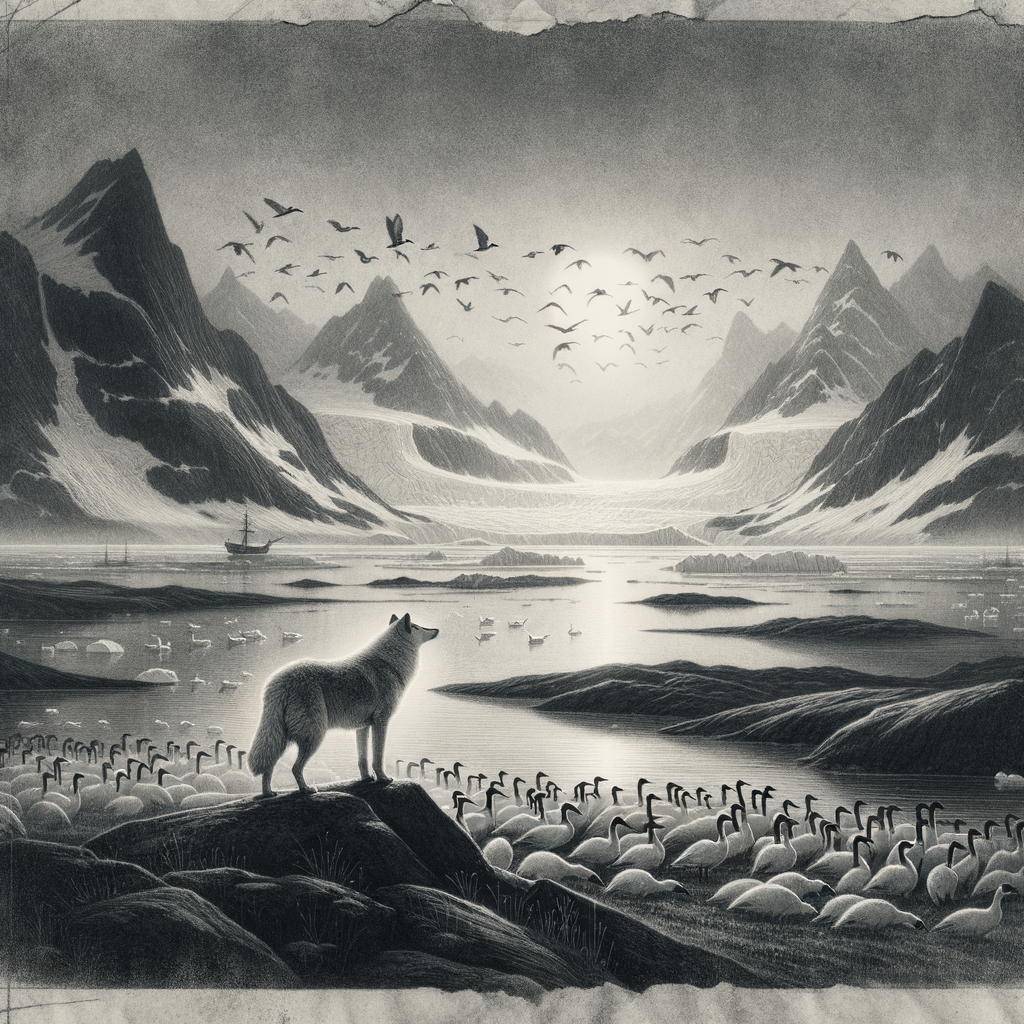
The island is particularly notable for its role as a critical breeding ground for migratory birds, especially the Greater Snow Goose. Tens of thousands of geese arrive here each spring to nest in the lowland tundra. Other bird species include Thick-billed Murres, Black-legged Kittiwakes, and Northern Fulmars. This has made Bylot Island a designated Important Bird Area (IBA) of international significance.
Mammals native to the region include Arctic foxes, collared lemmings, and Arctic hares, with polar bears occasionally seen near the coastline. The surrounding waters also host seals, walruses, and narwhals, making the area vital for Arctic marine life conservation.
Conservation and Protection
Because of its ecological importance and sensitive environment, Bylot Island was incorporated into Sirmilik National Park in 2001. The park, which spans over 22,000 square kilometers, is managed in cooperation with local Inuit organizations and Parks Canada. As a part of a national effort to preserve Canada’s Arctic environments, the island is protected from human development and permanent settlement.
Access to Bylot Island is limited and often requires coordination with Parks Canada authorities. Most visitors are scientists conducting ecological, geological, or climate research, as well as a small number of adventurous eco-tourists exploring the Arctic wilderness by boat or chartered aircraft.
Interesting Facts About Bylot Island
Bylot Island stands out not only for its size but also for its unusual biodiversity and geological significance. The island features over 50 glaciers, many of which flow from the Byam Martin Mountains, testament to its glaciated past. These glaciers provide critical data for scientists studying climate change and the retreat of polar ice.
An interesting geological feature of the island is its karst landscape in the southeast. Karst topography — formed by the dissolution of soluble rocks — is rare in Arctic regions. This area is home to extensive cave systems, sinkholes, and unique ice formations that draw researchers year-round.
Though uninhabited today, the island once supported seasonal Inuit camps. Archaeological findings suggest that the Thule people, ancestors of modern Inuit, used the island as a hunting ground centuries ago, living in skin tents and subsisting on sea mammals and birds.
In 2004, Bylot Island was used as a filming location for documentaries and educational programs on Arctic ecology and climate science, increasing its visibility to the global public.
Legends and Cultural Significance
To the Inuit people, Bylot Island is more than a remote landmass — it is a place of stories and spiritual significance. One popular legend speaks of “Qimmiqjuaq,” a giant ghost dog with glowing white fur said to roam the coastlines during the Arctic night. Locals believe it guards the island and only reveals itself to lone travelers as a warning to respect nature’s balance.
Another tale tells of “Nuliajuk’s Daughter,” a spirit of the northern sea who fled to the mountains of Bylot Island to escape her fate. According to the legend, her cries can still be heard echoing through the fjords when the wind is high, and it is said that her sorrow brings storms to Eclipse Sound.
These stories, passed down through generations, are more than folklore — they form a cultural bond between modern Inuit communities and the land, emphasizing values of respect, humility, and connection to the environment. Elders encourage younger generations to learn these legends as part of fostering resilience and grounded identity in an ever-changing Arctic.
Conclusion
Bylot Island remains one of the last true wilderness areas on Earth. With its dramatic landscapes, rare Arctic ecosystems, and deep cultural narratives, it is a place where science and legend meet under the midnight sun. While few people may ever walk its icy ridges, the significance of Bylot Island as a sanctuary for wildlife and a keeper of Inuit heritage cannot be overstated. Its isolation serves not as a barrier but as a protective cloak, preserving the island as a pristine Arctic treasure for generations to come.