Hall Island: A Remote Arctic Enigma
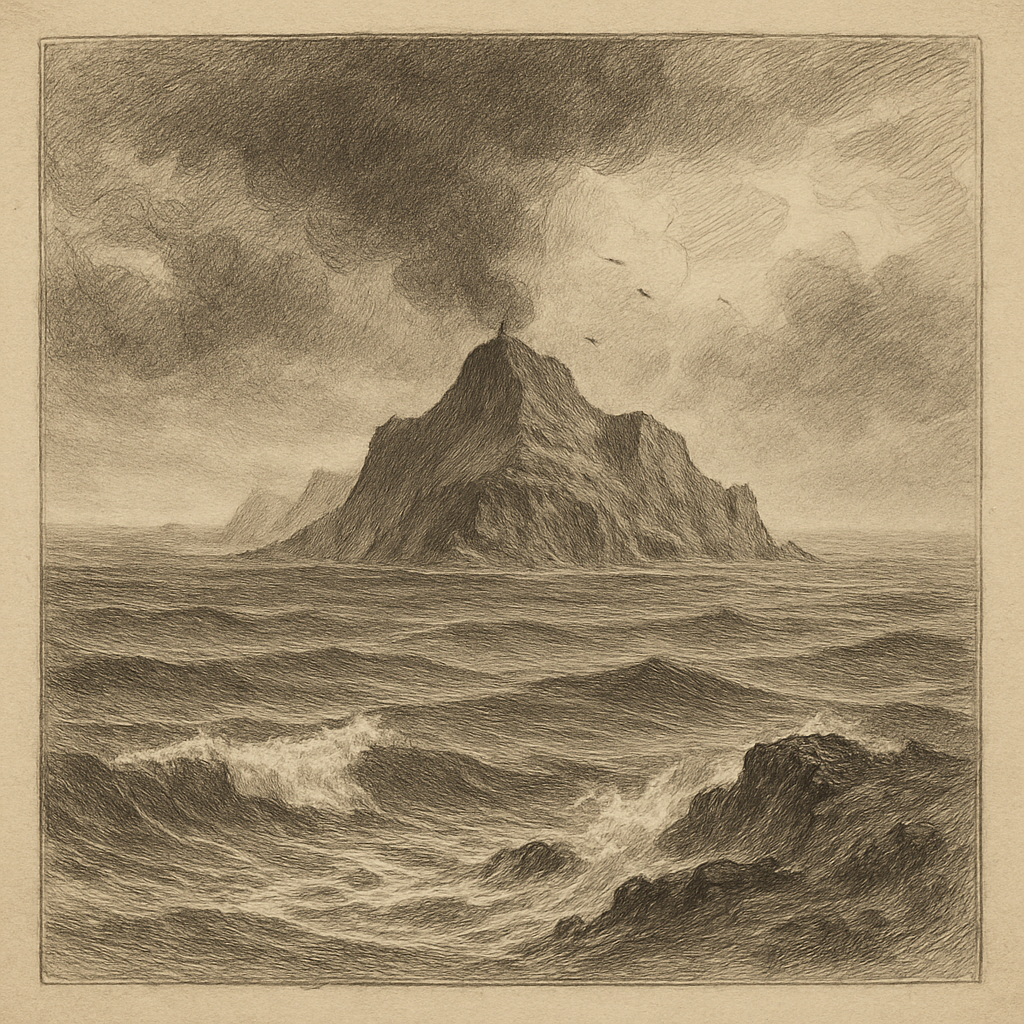
Hall Island is a remote, uninhabited island located in the frigid waters of the Arctic Ocean. Known for its isolation, rugged terrain, and extreme weather conditions, it is one of the least explored territories in the world, steeped in mystery and raw natural beauty. Hall Island is part of the Franz Josef Land archipelago, situated in the Russian High Arctic, and lies well north of the Arctic Circle. This distant outpost provides a remarkable glimpse into one of the harshest environments on Earth.
Geographic Location and Geological Context
Hall Island lies at approximately 80.5° N latitude and 58.6° E longitude and is part of the Franz Josef Land archipelago, a group of nearly 200 islands owned by the Russian Federation. Located around 950 kilometers north of the Russian mainland and just over 600 kilometers from the North Pole, Hall Island occupies a particularly remote and inaccessible position in the Arctic Ocean.
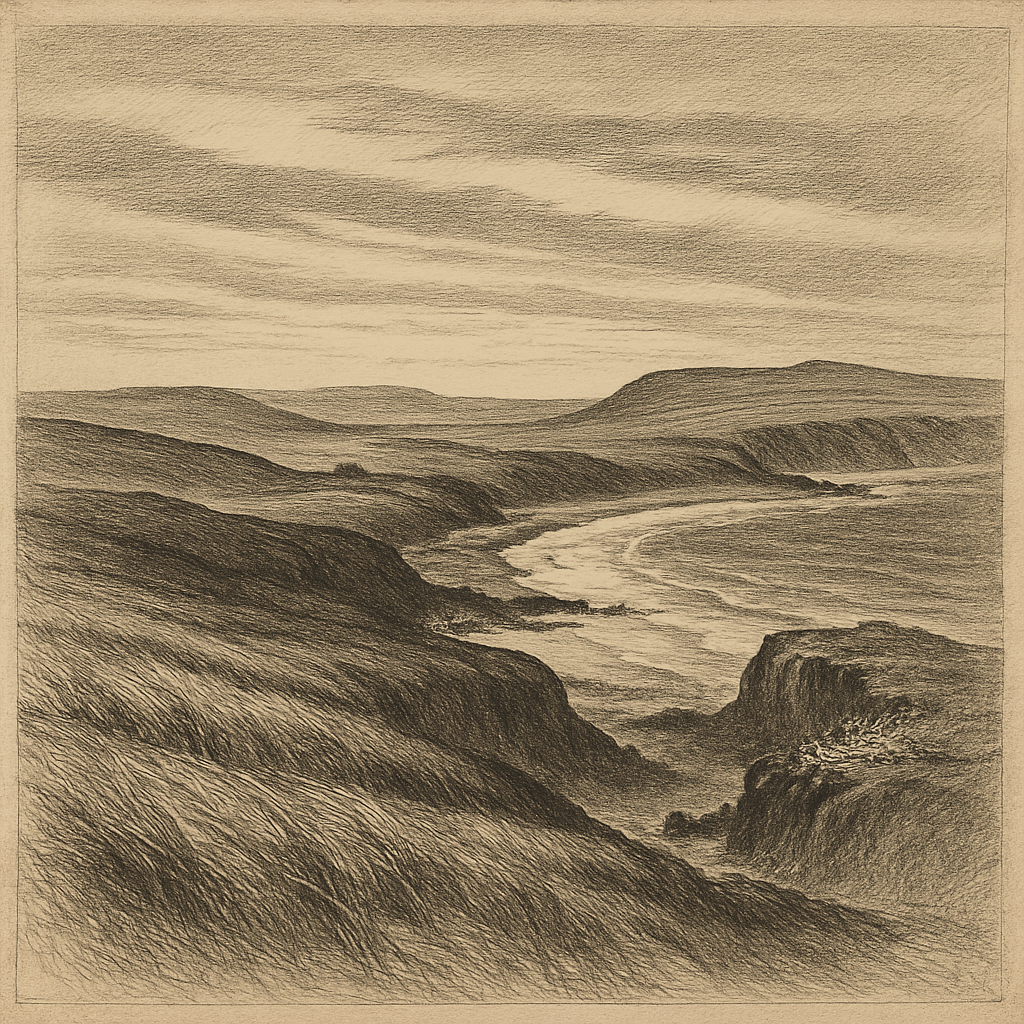
Geologically, the island is of volcanic origin, composed primarily of basaltic rock formed millions of years ago during the Tertiary period. Like the other islands in the archipelago, Hall Island has been shaped by a combination of glacial activity, frost weathering, and marine erosion. Steep cliffs, rugged coastlines, and scattered glaciers dominate its landscapes, providing dramatic geological formations that resonate with ancient forces of Earth’s history.
Climate and Environment
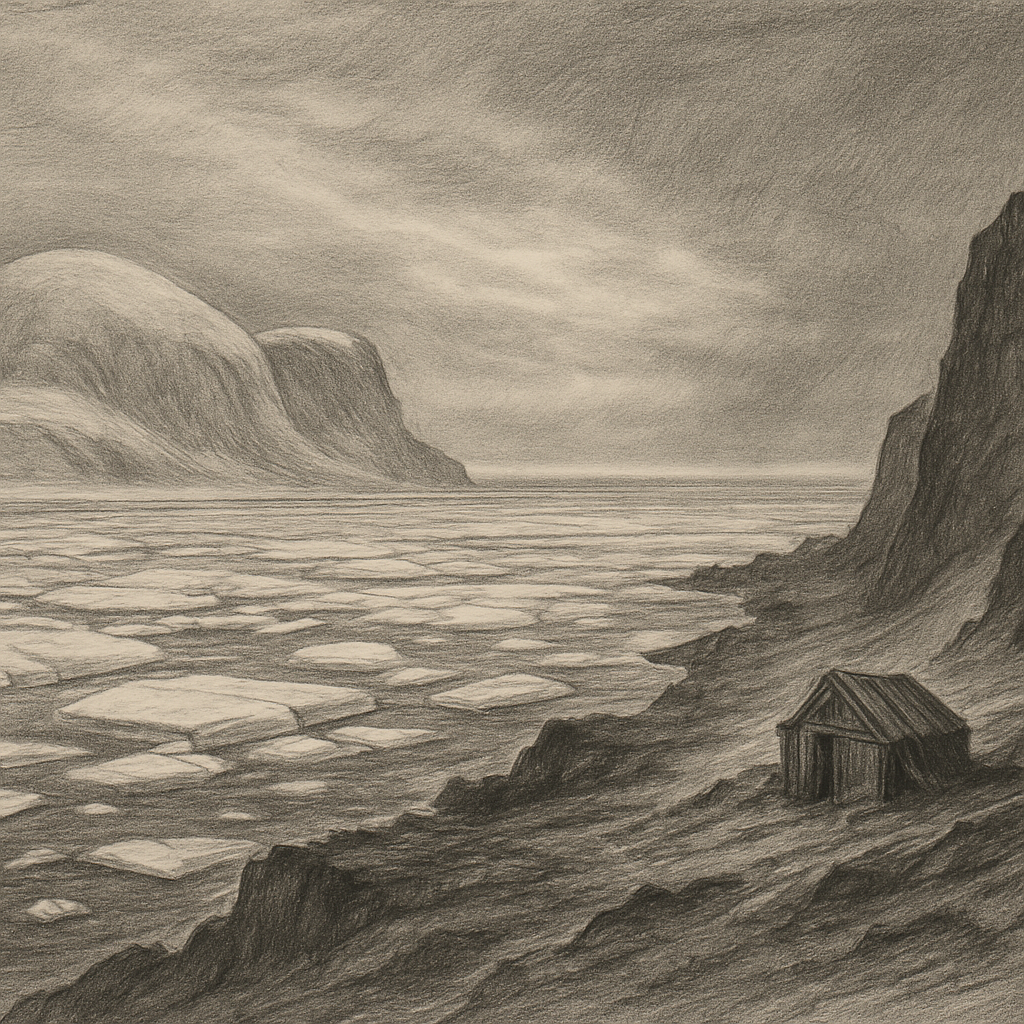
The climate of Hall Island is classified as polar, characterized by long, dark winters and short, relatively cool summers. Average temperatures range from -30°C in the winter to a brief summer peak of around 0°C to 4°C. Precipitation is generally low, though snowfall can be substantial during certain periods. The island remains ice-bound for the majority of the year, and sea ice often clogs the surrounding waters even in summer months, making access a major logistical challenge.
Hall Island’s flora is sparse due to the harsh climatic conditions. Mosses, lichens, Arctic poppies, and other cold-resistant species cling to existence in sheltered rock crevices. The fauna is slightly more diverse – the island serves as a breeding ground for seabirds such as black-legged kittiwakes, fulmars, and ivory gulls. Polar bears and Arctic foxes are among the top predators, often observed prowling along the island’s icy edges in search of prey or carrion.
Scientific Significance and Conservation
Due to its untouched nature and extreme isolation, Hall Island is of great scientific interest, particularly in the fields of climate science, glaciology, and biology. Russian scientists, as well as international researchers under tightly restricted access, occasionally conduct expeditions to study the island’s ecosystems and ice conditions. The area acts as a natural laboratory for understanding the effects of climate change in Arctic environments.
Hall Island is part of the Russian Arctic National Park, designated to preserve its pristine ecosystem. As such, it is under strict environmental protection, and access is limited. The park status also aids in the protection of endangered or vulnerable species that dwell in the region. All human activities are monitored and must follow stringent guidelines to ensure minimal impact on the fragile local ecology.
Historical Background
Hall Island was discovered in 1873 by the Austro-Hungarian North Pole expedition led by Julius von Payer and Karl Weyprecht, and it was named after the famed American Arctic explorer Charles Francis Hall. Despite its early discovery, the island remained by and large untouched except for brief visits by explorers and Soviet scientific teams in the 20th century.
During the Cold War, Hall Island, like several other locations in the Arctic, was occasionally surveyed for potential military or surveillance use by the Soviet Union, but no permanent installations were ever established. Today, its legacy is more closely tied to Arctic exploration and conservation than to military ambitions.
Curiosities and Intriguing Facts
One of the more curious aspects of Hall Island is its unsettling silence and overwhelming stillness. Unlike many other parts of the world, there is virtually no sound of human activity – no planes, vehicles, or city lights. This has made Hall Island a symbol among polar enthusiasts of true remoteness. The ambient quiet is broken only by the calls of nesting seabirds and the distant creaks of moving sea ice.
Another unusual feature is the presence of fossilized wood fragments found across some parts of the island. These are remnants from a much warmer geological epoch known as the Paleocene-Eocene Thermal Maximum, suggesting that parts of the Arctic once supported temperate forests – a stark contrast to today’s frigid conditions and a potent illustration of Earth’s shifting climate history.
Hall Island is also notable for being one of the few landfalls close enough to the North Pole to serve as a potential launch-point for explorations to the geographic North Pole, making it one of the “last steps” before reaching the top of the world.
Legends and Folklore
Given its remote location and limited human contact, Hall Island does not have an extensive body of indigenous mythology. However, among Arctic explorers and local Russian folklore, there are whispers of the “White Silence” – a phenomenon reputed to induce intense feelings of isolation, hallucinations, or even spiritual visions among those who spend long periods on the island.
Some stories tell of phantom lights seen darting across the tundra or unexplained metallic sounds echoing from the cliffs during midnight sun. These tales are likely natural effects born of the extreme Arctic light refraction or ice movement, but for the few who have braved the island’s ancient cold, they serve as eerie reminders of nature’s unknowable sides.
Another legend involves the “Watcher of the Ice” – a mythical polar bear spirit said to guard the northernmost reaches of the world. According to the tale, any intruder who disturbs the purity of the island risks being followed by this spectral guardian. While not confirmed, several accounts by early 20th-century explorers mention strange encounters involving unusually large polar bears showing uncanny behavior, further fueling the myth.
Access and Challenges
Accessing Hall Island remains an immense logistical feat. There are no airstrips, harbors, or shelters. Icebreakers, helicopters, and snowmobiles are typically the only means of reaching and traversing the island, and these require careful planning to avoid weather and ice complications. Expeditions are rare and primarily scientific in nature, requiring strict permits from Russian authorities.
Due to its protected status within the Russian Arctic National Park, tourism is essentially nonexistent. The risks involved – from hidden crevasses and sub-zero temperatures to prowling wildlife – make Hall Island suitable only for well-prepared professionals. Nevertheless, its raw, frozen landscapes and untouched ecosystems continue to captivate minds of scientists and Arctic enthusiasts worldwide.
The Enigmatic North
Hall Island stands as one of Earth’s last truly remote frontiers – a frozen bastion of solitude, where nature reigns supreme and time seems suspended. Its harsh conditions and limited human history only add to its mysterious allure. Whether as a symbol of Arctic exploration or a sanctuary for pristine ecosystems, Hall Island remains an enduring testament to the planet’s wild, uncharted spaces.