Henderson Island: A Remote Jewel of the Pacific
Henderson Island, a UNESCO World Heritage Site, is one of the most remote islands on Earth. Located in the southeastern Pacific Ocean, it lies roughly halfway between New Zealand and South America and is part of the Pitcairn Islands group, a British Overseas Territory. Despite its isolation, Henderson Island has captured global attention for its untouched ecosystem, historical significance, and, more recently, for the pressing environmental challenges it faces.
Geographical and Geological Features
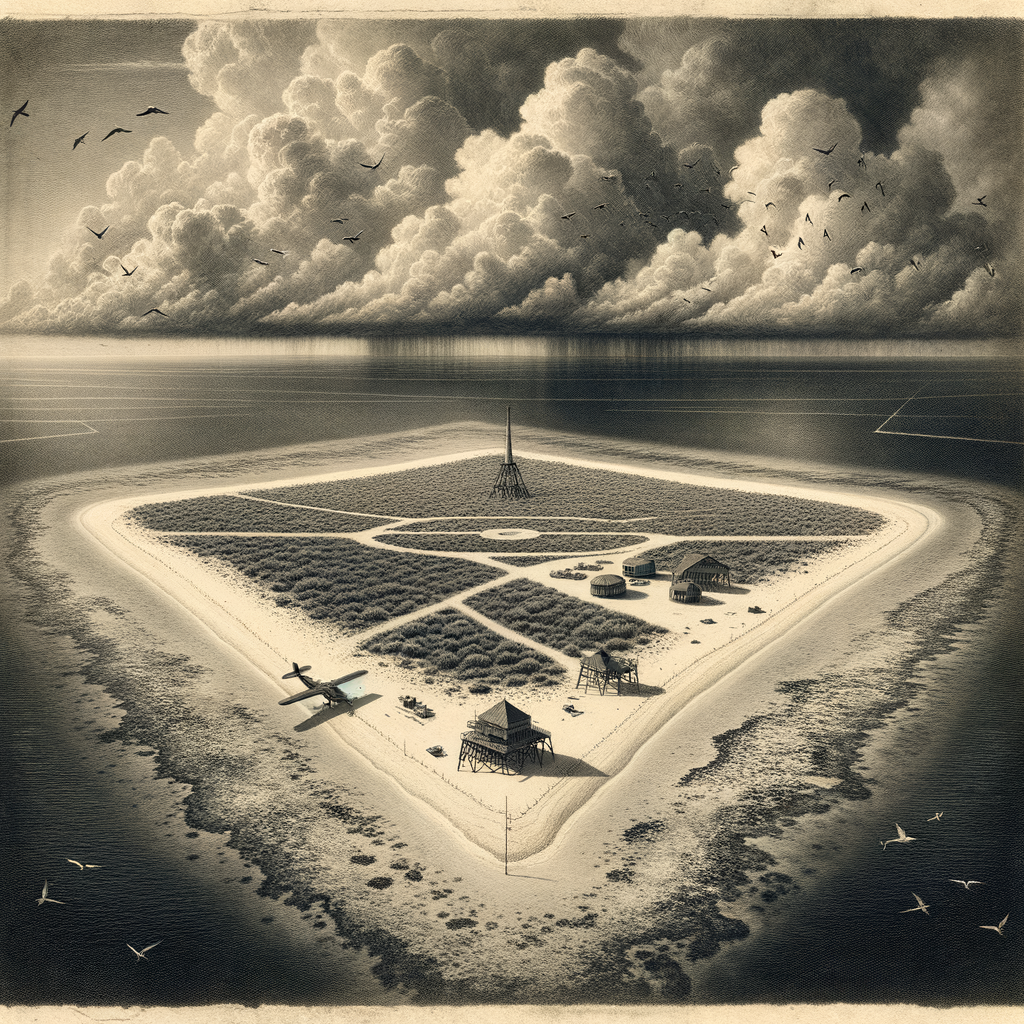
Henderson Island is situated at 24°20′S 128°19′W, approximately 193 km northeast of Pitcairn Island. It is the largest of the four Pitcairn islands and spans about 37.3 km². Unlike nearby volcanic islands, Henderson is primarily a raised coral atoll. Its central plateau rises to about 33 meters above sea level, surrounded by steep limestone cliffs and dense vegetation. The island’s rugged terrain and lack of natural harbors make access difficult, contributing to its longstanding isolation.
Geologically, the island formed from the uplift of an ancient coral reef, later carved by centuries of wind and wave erosion. There are no rivers or freshwater sources on the island; rainfall is the only water supply, absorbed into the porous limestone and sustaining the island’s limited fauna and flora.
Unique Ecosystem and Biodiversity
Henderson Island is renowned for its ecological purity and high level of endemic species. Because of its isolation and minimal human contact, the island has remained relatively undisturbed, allowing rare ecosystems to flourish.
The island is home to four endemic bird species, including the Henderson fruit dove, Henderson lorikeet, Henderson crake, and the flightless Henderson reed warbler. In addition, more than ten plant species are endemic, along with numerous insects and gastropods found nowhere else in the world.
One of the most significant ecological characteristics is the absence of introduced predators such as rats or cats, although a brief colonization attempt in the 19th century left behind goats, which have since been eradicated. The relative ecological stability has made Henderson Island an invaluable reference site for understanding tropical island ecosystems.
Human History and Exploration
The earliest known settlers of Henderson Island were Polynesians, believed to have inhabited the island between the 12th and 15th centuries. Archaeological sites, including marae (Polynesian ceremonial structures), tools, and food remnants, suggest a small, organized society once thrived there. Scholars speculate that increasing aridity, resource depletion, or inter-island conflicts led to the eventual abandonment of the island before European contact.
European discovery occurred in 1606 when Portuguese navigator Pedro Fernandes de Queirós, sailing for Spain, sighted the island. However, it wasn’t until 1819 that Captain Henderson of the British East India Company gave it the name it carries today. In the centuries that followed, Henderson has seen only sporadic visits, mostly from explorers, scientists, or passing sailors.
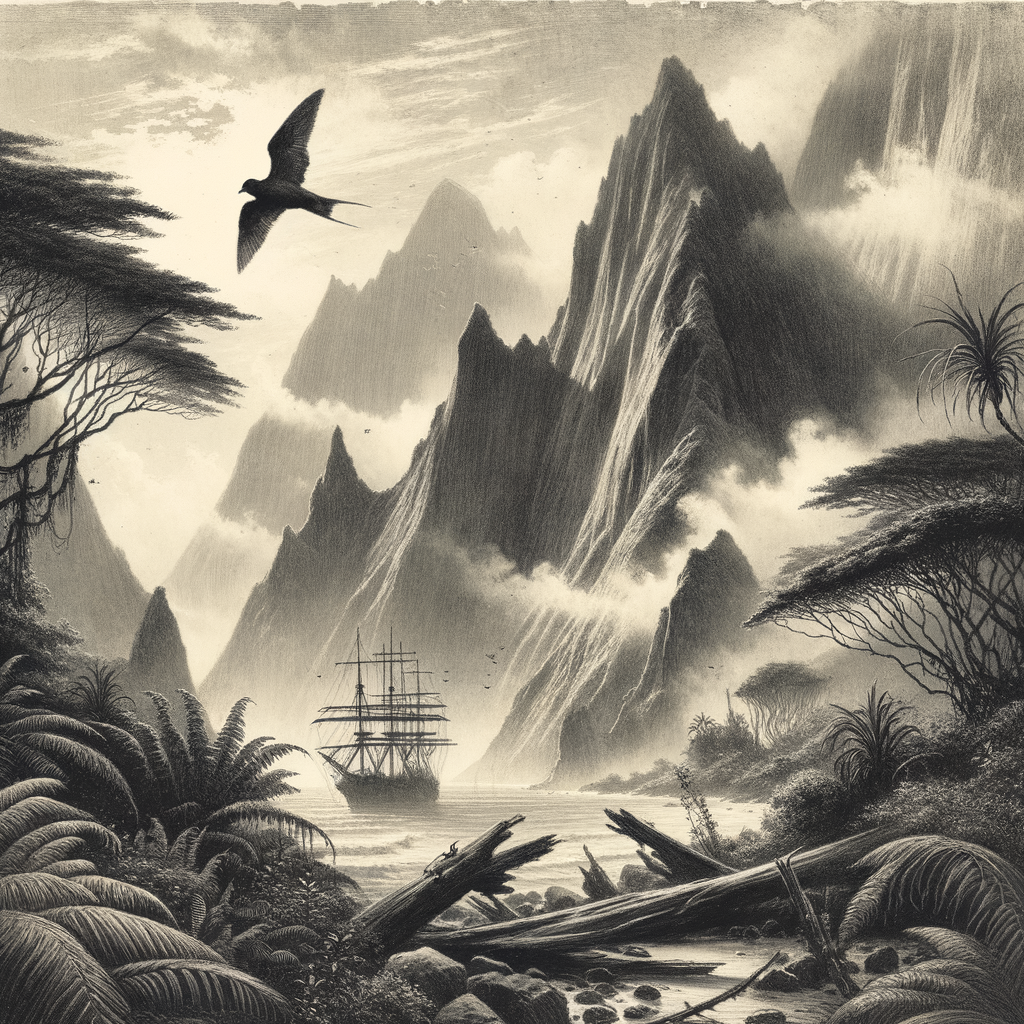
A notable historical event was the 1820 shipwreck of the American whale ship Essex, which inspired Herman Melville’s Moby-Dick. Three survivors of the wreck were temporarily stranded on Henderson Island before being rescued weeks later.
Environmental Challenges
Despite its remoteness, Henderson Island has not been immune to the global issue of plastic pollution. In 2017, a scientific expedition discovered that the island’s beaches were littered with an estimated 38 million pieces of plastic debris, making it one of the most densely polluted places in the world by plastic waste.
Ocean currents and the South Pacific Gyre are believed to deposit marine debris onto Henderson’s shores, mostly originating from distant regions. The scale of the pollution has drawn international concern and highlighted the far-reaching impacts of oceanic waste.
Conservation efforts focus on monitoring and protecting the island’s endemic species. In 2011, the Pitcairn Islands Government launched a rat eradication program to eliminate invasive rodents that had reached the island on supply vessels, but the first attempt was unsuccessful. Continued scientific assessments aim to balance ecological restoration without disrupting the island’s fragile habitats.
Interesting Facts About Henderson Island
– Henderson Island is one of the last two remarkably undisturbed atolls in the world, which is why UNESCO listed it as a World Heritage Site in 1988.
– The island’s remoteness means that it has one of the highest rates of endemism for any island of its size.
– No human settlement exists on Henderson today, and visitors require special permission from the government of the Pitcairn Islands to land.
– The island’s reef structure makes offshore passage risky, and only small boats can land, contingent upon weather and tide conditions.
– Henderson’s forests are composed predominantly of low canopies with dense undergrowth and rare flowering species, forming a unique botanical landscape.
Legends and Myths Surrounding Henderson Island
Over the years, Henderson Island has inspired a number of myths and speculative tales due to its isolation and mysterious aura. Among the Polynesian oral traditions passed down through Pitcairn Islanders, Henderson is often referred to as “the silent land,” a place of spirits and ancestral memory. Legend has it that after death, souls from Pitcairn make a spiritual journey across the ocean to Henderson, where they rest among the whispering trees and coral cliffs.
Maritime folklore adds to the mystique. Sailors in the 19th century recounted strange lights seen at night on the island’s cliffs—believed by some to be ghostly lanterns from the shipwrecked Essex or ancient Polynesian spirits. Although rational explanations point to natural bioluminescence or seabird activity, the tales remain part of Henderson’s enduring enchantment.
In more recent times, myths have sprung around the vast quantities of marine debris, sparking rumors of lost containers from ghost ships whose cargo haunts the shores. While unfounded, such stories reflect the surreal juxtaposition of pristine nature and synthetic chaos found on this isolated island.
Conclusion
Henderson Island stands as a paradox of natural beauty and environmental vulnerability. Its untouched reefs, unique biodiversity, and rich cultural tapestry place it among the most extraordinary remote locations in the world. Yet the island also serves as a somber symbol of global environmental impact, illustrating how even the most isolated places are affected by human activity. As both a sanctuary of endemic life and a cautionary tale, Henderson Island continues to captivate explorers, scientists, and dreamers alike.