Hirsholm Island: A Hidden Jewel in the Danish Sea
Hirsholm Island is one of Denmark’s lesser-known yet historically and ecologically rich islands, nestled in the Kattegat Sea just off the northeast coast of Jutland. As the main island in the Hirsholmene archipelago, it presents a unique blend of untouched nature, maritime lore, and centuries-old human history.
Location and Geographical Features
Hirsholm Island lies approximately 7 kilometers northeast of the town of Frederikshavn in northern Denmark. The island is part of a group known as the Hirsholmene, which includes several smaller islets scattered in close proximity. Hirsholm itself covers an area of about 0.45 km², making it relatively small, yet it holds significant ecological, historical, and cultural value.
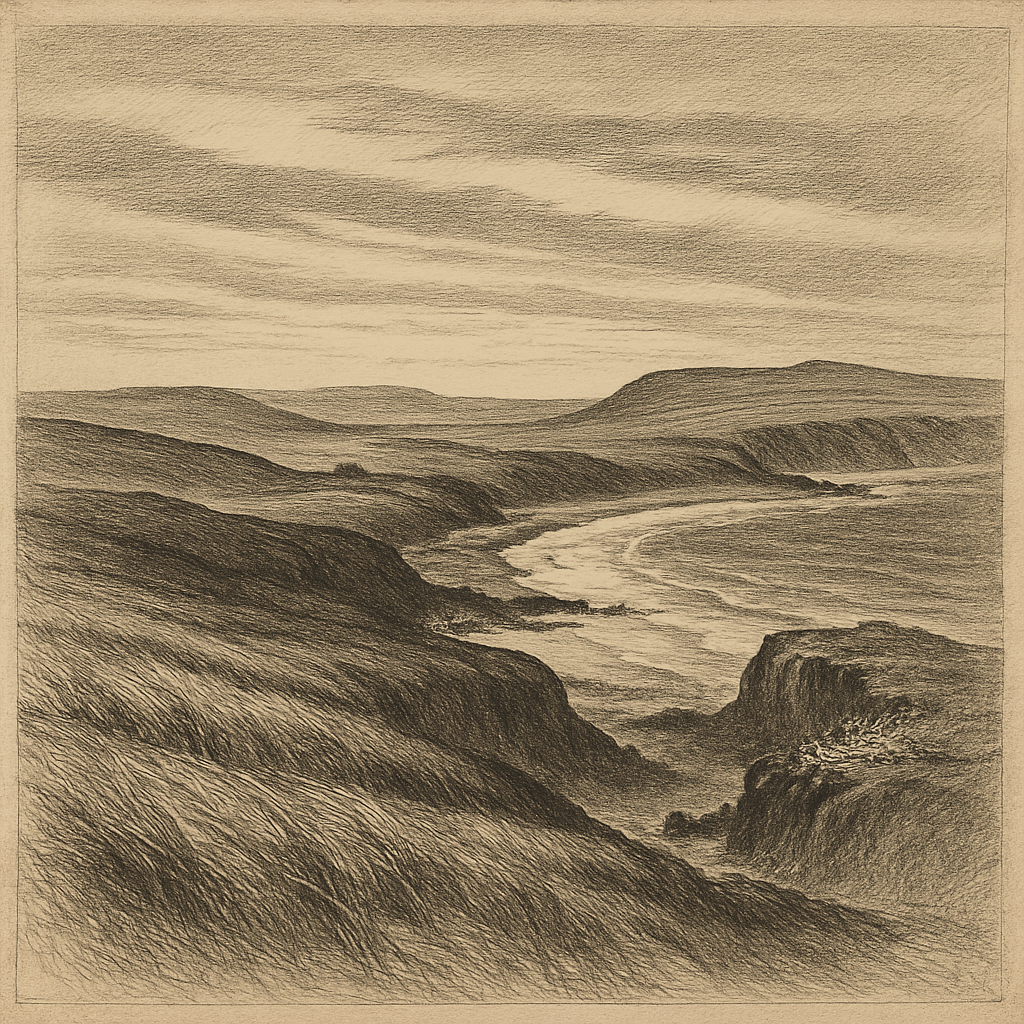
The island is known for its flat terrain, low cliffs, and rugged coastal outlines. Its landscape is dominated by grasses, wildflowers, and sandy beaches, interrupted only by a few modest buildings and the stately presence of a centuries-old lighthouse, which remains one of the island’s most iconic features. Hirsholm’s location exposes it to strong winds and salt spray, giving it a raw and windswept beauty characteristic of the Danish coast.
A Legacy of Seafaring and Settlement
Although it appears remote and almost untouched today, Hirsholm Island has been inhabited since the 17th century. It served as a fishing village and a strategic maritime point. The small settlement that once flourished there consisted of fishermen’s cottages, a school, and support buildings. By the early 20th century, however, the population began to dwindle due to economic changes and the harsh living conditions.
A highlight of the island’s human-made landmarks is the Hirsholm Lighthouse, constructed in 1886. Standing over 21 meters tall, this granite tower operated as a guiding beacon for ships navigating the busy Kattegat waters. The lighthouse continues to function today, albeit fully automated, watching over the tranquil island landscape as it has for over a century.
Flora, Fauna, and Conservation
Hirsholm Island is part of the Hirsholmene nature reserve, established in 1938, making it Denmark’s oldest royal protected area. The island is especially renowned for its rich birdlife. Over 40 species of birds nest here, including guillemots, terns, and eiders. These seabird colonies are among the most important in the country, attracting ornithologists and nature enthusiasts alike.
In addition to its avian population, Hirsholm is also home to a diverse array of plant life that thrives in its salt-sprayed environment. Conservation initiatives have aimed at preserving the delicate balance of the ecosystem by limiting human disturbance and carefully controlling access to the more sensitive parts of the island.
Accessibility and Tourism
Due to its protected status, access to Hirsholm Island is regulated. While the island does not have permanent residents, it is open to visitors during limited seasons. Small charter boats operate from Frederikshavn in the summer months, allowing tourists to explore the island’s walking paths, picnic areas, and historical landmarks. Overnight stays require special permission due to environmental regulations.
The island’s peaceful landscape, marked by solitude and uninterrupted nature, attracts not only scientists and conservationists but also artists and writers seeking inspiration in its isolation.
Legends and Maritime Lore
Hirsholm Island is steeped in maritime legends passed down through generations of fishermen and sailors. One of the most enduring tales involves the “Lady of the Sea,” a ghostly figure said to appear near the lighthouse on stormy nights. According to lore, she is the spirit of a young woman whose lover perished in a shipwreck off the island’s coast. Her sorrowful silhouette is said to be seen walking along the shoreline, forever searching the horizon for his return.
Another local myth tells of hidden treasure buried by pirates in the coves surrounding the neighboring islets. Though no treasure has ever been found, the stories lend an air of mystery to the quiet beaches and tide-washed rocks of Hirsholm.
Points of Interest and Curiosities
Despite its small size, Hirsholm Island offers numerous intriguing features:
– The Hirsholm Church, built in 1640, is the smallest in all of Denmark and provides a glimpse into the island’s once-thriving community.
– The local flora includes rare plant species such as beach pea and sea lavender, rare in other parts of Denmark.
– The lighthouse keeper’s house, now repurposed as a museum, offers insights into the daily life of past inhabitants and the navigation history of the region.
– During certain seasons, the island’s beaches are covered with nesting eiders, providing a rare chance to observe these birds up close in their natural habitat.
Conclusion
Hirsholm Island stands as a testament to Denmark’s rich maritime heritage and its delicate natural ecosystems. While small in size, the island boasts a wealth of history, biodiversity, and cultural tales. Its isolation has helped preserve not only its wildlife but also the legacy of generations who lived in harmony with the sea and land. For those lucky enough to visit, Hirsholm offers a tranquil retreat where nature and legend silently coexist.