Isla Alejandro Selkirk: A Remote Jewel of the Pacific
Isla Alejandro Selkirk, formerly known as Más Afuera, is the westernmost island of the Juan Fernández Archipelago, located in the South Pacific Ocean. Part of Chilean territory, the island lies approximately 180 kilometers west of its closest neighbor, Robinson Crusoe Island, and about 850 kilometers off the coast of mainland Chile. Despite its isolation, Alejandro Selkirk Island holds a unique position due to its rugged terrain, endemic wildlife, and fascinating historical and cultural associations.
Geography and Geology
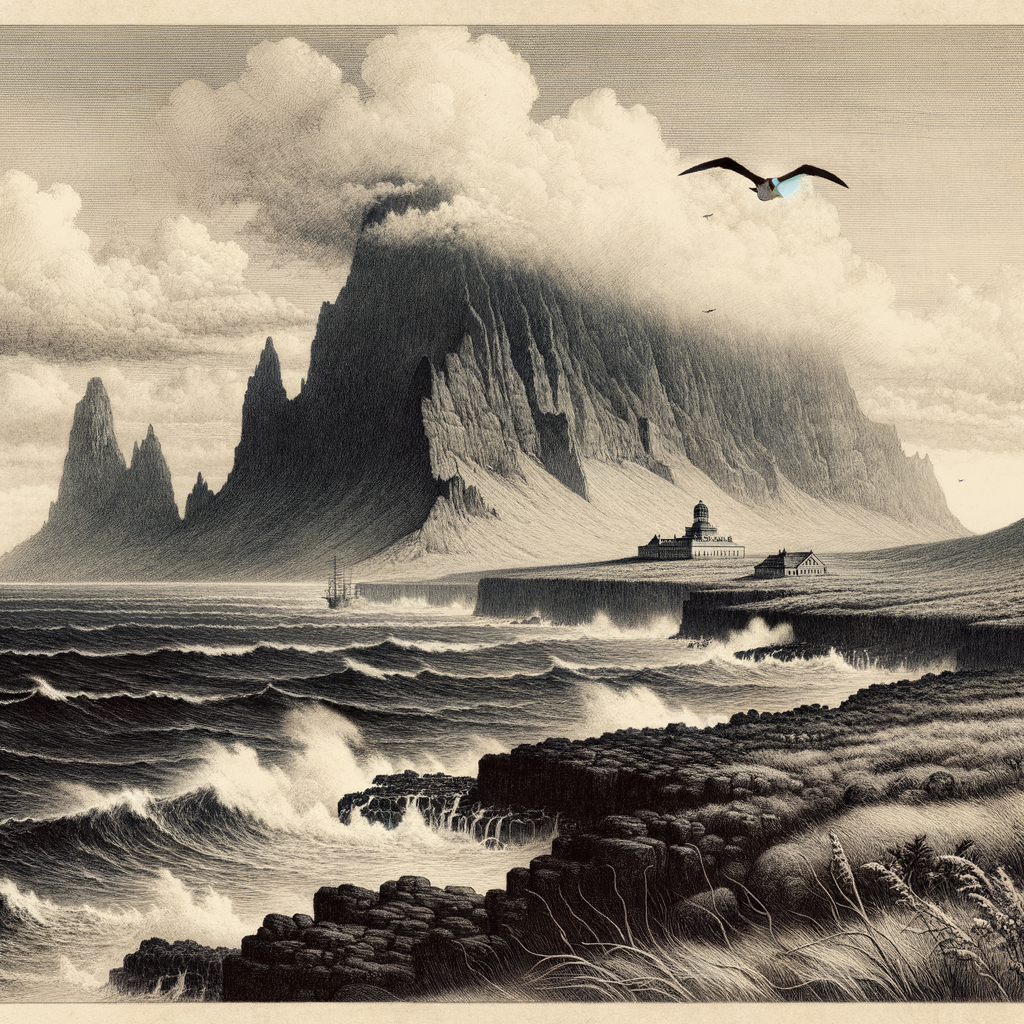
Alejandro Selkirk Island is of volcanic origin and forms part of a submarine mountain range created by the Nazca Plate moving over the Juan Fernández hotspot. The island stretches over 49.5 square kilometers and is characterized by sharp ridges, steep cliffs, and deeply incised valleys. Its highest peak, Cerro de Los Inocentes, rises to approximately 1,268 meters above sea level, making it the highest elevation in the archipelago.
The eastern side of the island is marked by steep terrain plunging into the ocean, while the western side features more moderate slopes and several small plateaus. The geological youth of the island means its topography is particularly dramatic, with active erosion contributing to its rugged and wild appearance. The volcanic origins also lead to unique soil profiles and microclimates that foster distinctive flora and fauna.
Biodiversity and Climate
The island’s remote location and absence of permanent human settlements have contributed to the preservation of a rich and largely unspoiled biodiversity. Isla Alejandro Selkirk has a subtropical Mediterranean climate, with a wetter and cooler environment than Robinson Crusoe Island. Rainfall averages around 1,100 millimeters per year, concentrated in the winter months between May and August.
The island is home to several endemic species, most notably the critically endangered Juan Fernández fur seal and the Alejandro Selkirk firecrown, a species of hummingbird found nowhere else on Earth. The island also serves as an important nesting site for seabirds, including petrels and shearwaters. Due to its ecological importance, it has been designated a Chilean National Park and a UNESCO Biosphere Reserve.
Human Presence and Access
Isla Alejandro Selkirk remains largely uninhabited throughout the year. The only human activity revolves around occasional conservation missions, scientific research, and a seasonal fishing outpost where Chilean fishermen harvest lobster, particularly during the warmer summer months. There is no airport or dock, and access to the island requires a long and often turbulent boat journey from Robinson Crusoe Island or from the Chilean mainland.
Permits are required for all visits, which are typically granted only for scientific, conservation, or controlled tourism purposes. Due to its inaccessibility and the lack of infrastructure, tourism is rare and strictly regulated to protect the delicate ecosystems.
Interesting Facts about Isla Alejandro Selkirk
– The island was renamed in 1966 to honor Alexander Selkirk, the Scottish sailor whose marooning is believed to have inspired Daniel Defoe’s classic novel “Robinson Crusoe.” Ironically, Selkirk never set foot on this specific island; he was actually stranded on nearby Robinson Crusoe Island.
– Despite its relative obscurity, the island plays a significant role in Chile’s claim over a vast exclusive economic zone in the South Pacific.
– The Juan Fernández fur seal, once believed extinct, was rediscovered near Isla Alejandro Selkirk in the 20th century, leading to intensified conservation efforts.
– Due to its high cliffs and steep terrain, the island serves as an ideal observation point for scientists studying seabird migration and maritime ecosystems in the South Pacific.
Legends and Maritime Mysteries
Like many remote islands with a history of scarce human contact, Isla Alejandro Selkirk is shrouded in tales and maritime myths. Rumors of buried pirate treasure hidden within the island’s rugged interior have persisted for centuries, inspired by historic accounts of privateer activity in the South Pacific during the 17th and 18th centuries.
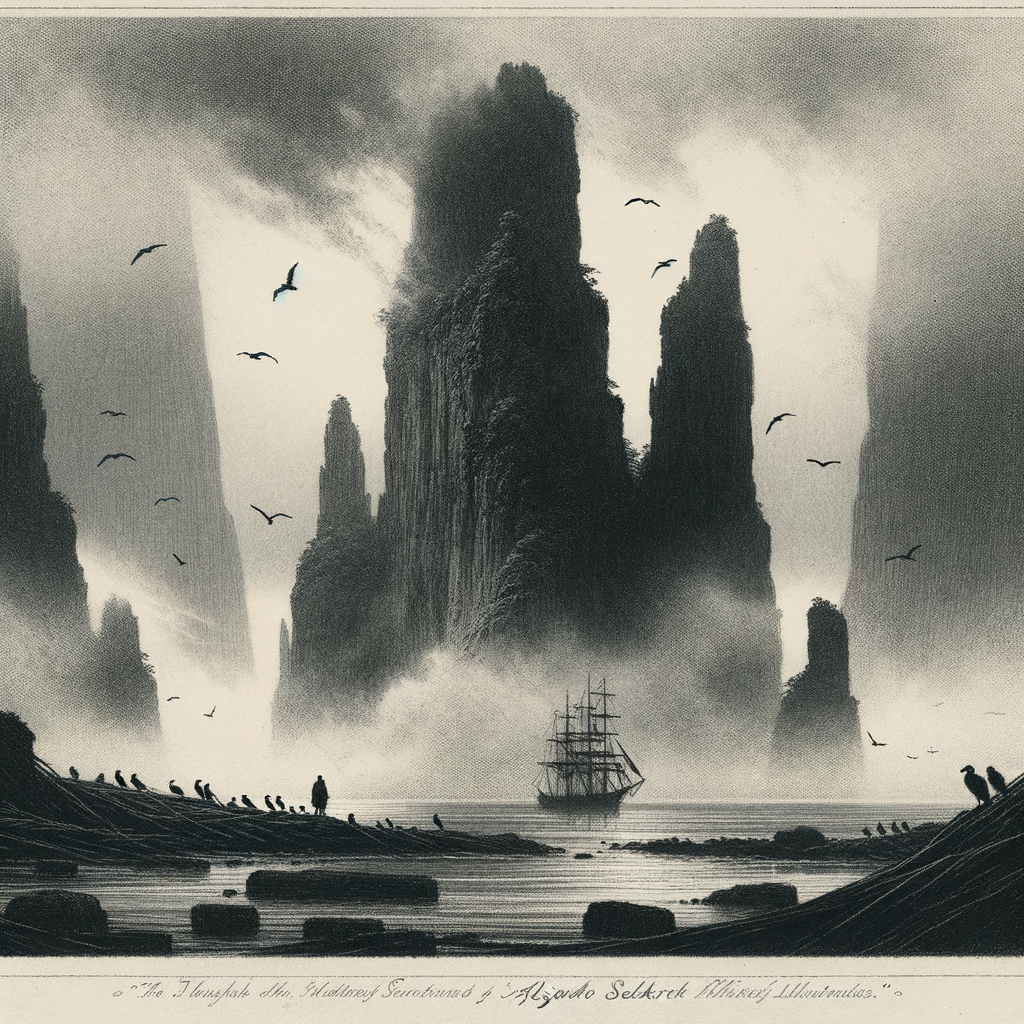
Another enduring legend speaks of phantom ships that appear in the mist off the island’s western coast—vessels with no crew, seen drifting silently, only to vanish as suddenly as they appeared. Local fishermen refer to them as “ghost ships of the Pacific,” and though unconfirmed, such stories contribute to the island’s mystique.
Some also claim that the cries of the island’s seabirds, particularly during dense fog, embody the voices of ancient sailors lost at sea. While the scientific community attributes these sounds to natural causes, the legends continue to attract literary interest and romantic speculation.
Conservation and the Future
Efforts to protect Isla Alejandro Selkirk have increased significantly in recent decades. Conservationists from around the world collaborate with Chilean authorities to monitor endangered species and restore habitats impacted by historical human introduction of invasive species such as goats and rats.
Active eradication programs and habitat restoration have already shown promising results, including the gradual return of certain bird populations. Today, the island serves as a living laboratory, offering insight into how isolated ecosystems evolve and respond to environmental pressures.
With continued scientific interest and international attention, Isla Alejandro Selkirk stands not just as an isolated landform in the Pacific Ocean, but as a beacon of ecological resilience and mystery—its cliffs echoing both the songs of seabirds and the whispers of untold legends whispered by the waves.