Remote Islands

Exploring the World’s Most Remote Islands

Montagu Island

History

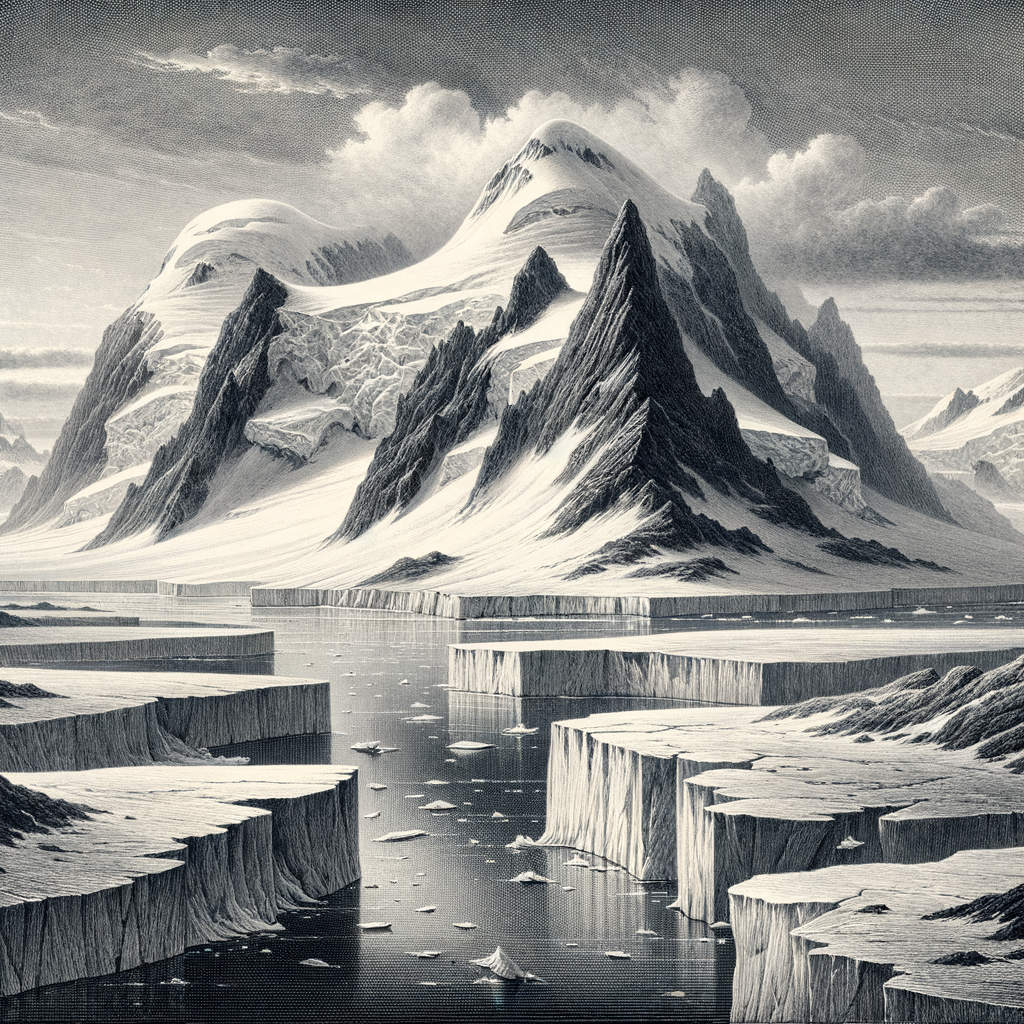
Montagu Island is located in the South Atlantic Ocean and is part of the British Overseas Territory of South Georgia and the South Sandwich Islands. The island was first discovered in 1775 by Captain James Cook, who named it after George Montagu, a British naval officer. The island was later claimed by the British government in 1843, and it has been under British control ever since.

In the late 19th and early 20th centuries, Montagu Island was primarily used for sealing and whaling. Several companies established bases on the island to hunt for seals and whales, and the island’s population reached its peak during this time. However, as the demand for seal and whale products decreased, the population of the island dwindled, and it became mostly uninhabited.

In recent years, Montagu Island has become an important site for scientific research. The island is home to a variety of unique and endangered species, including the Montagu’s harrier and the South Georgia pipit. Scientists studying these species, as well as the island’s geology and climate, regularly visit Montagu Island to conduct research. The island is also a popular destination for bird watchers and other nature enthusiasts.
Do you like my work? Buy Me A Coffee

More Islands to Explore

  • Wind-carved cliffs and endemic orchids crown Clarion Island

    Wind-carved cliffs and endemic orchids crown Clarion Island

    Few places look so final on a chart and yet belong so unmistakably to a living nation. Clarion Island lies alone in the Pacific, the westernmost and most remote of Mexico’s Revillagigedo Islands, more than 700 kilometers from the mainland. It is uninhabited, difficult to approach, and seldom seen except by naval patrols, researchers, and…

    Read more

  • Seabirds anchor conservation debates around Salas y Gómez’s future

    Seabirds anchor conservation debates around Salas y Gómez’s future

    Few pieces of land look less negotiable. Rising from the southeastern Pacific more than 3,000 kilometers west of continental Chile and roughly 390 kilometers east of Rapa Nui, Salas y Gómez is not a place that invites settlement so much as a place that tests the very idea of it. The island is tiny, barren,…

    Read more

  • At Berkner Island, science unravels Antarctica’s hidden mechanics

    At Berkner Island, science unravels Antarctica’s hidden mechanics

    Almost everything about this place resists the ordinary idea of an island. Berkner Island lies in Antarctica, enclosed not by open sea but by the floating mass of the Ronne Ice Shelf in the southern Weddell Sea. It is large by any standard—about 320 kilometers long and roughly 135 kilometers wide—yet for long stretches of…

    Read more