Remote Islands

Exploring the World’s Most Remote Islands

Montagu Island

History

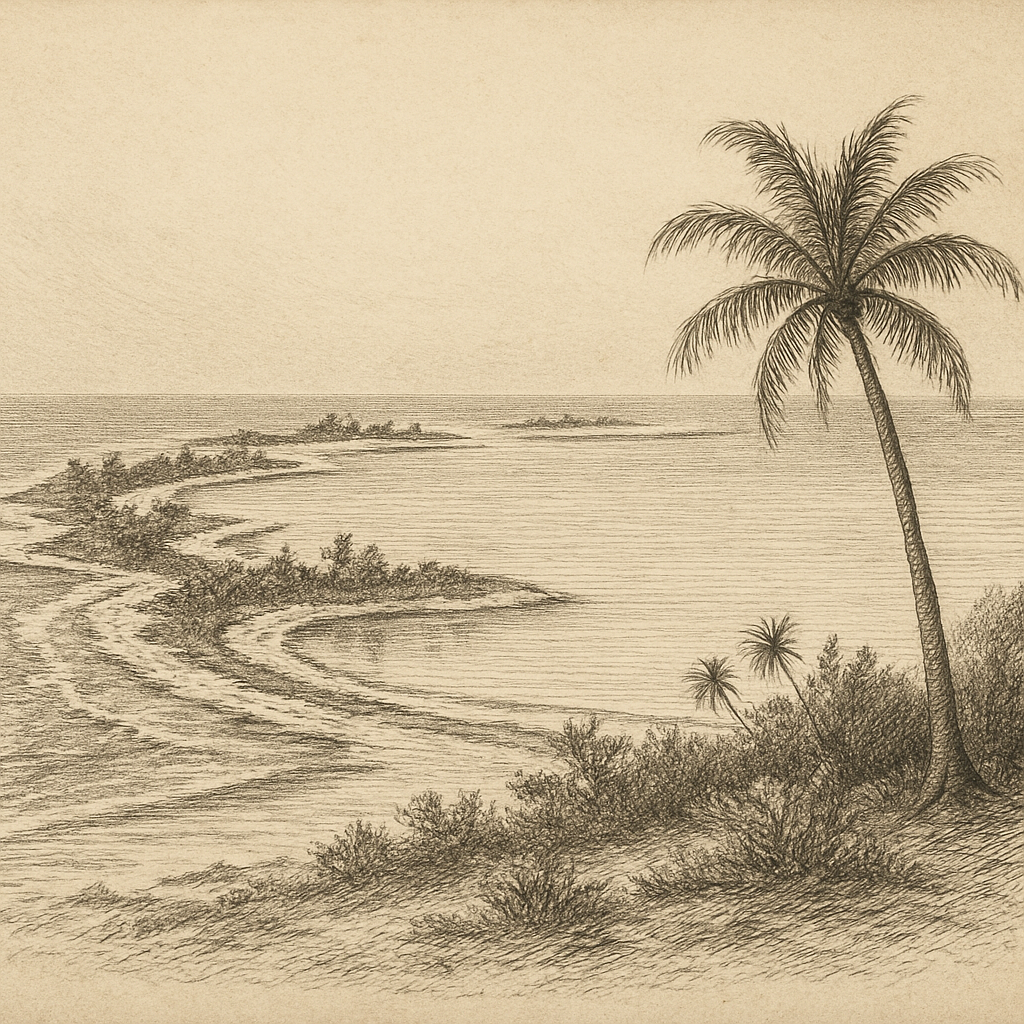
Montagu Island is located in the South Atlantic Ocean and is part of the British Overseas Territory of South Georgia and the South Sandwich Islands. The island was first discovered in 1775 by Captain James Cook, who named it after George Montagu, a British naval officer. The island was later claimed by the British government in 1843, and it has been under British control ever since.

In the late 19th and early 20th centuries, Montagu Island was primarily used for sealing and whaling. Several companies established bases on the island to hunt for seals and whales, and the island’s population reached its peak during this time. However, as the demand for seal and whale products decreased, the population of the island dwindled, and it became mostly uninhabited.

In recent years, Montagu Island has become an important site for scientific research. The island is home to a variety of unique and endangered species, including the Montagu’s harrier and the South Georgia pipit. Scientists studying these species, as well as the island’s geology and climate, regularly visit Montagu Island to conduct research. The island is also a popular destination for bird watchers and other nature enthusiasts.

Do you like my work? Buy Me A Coffee

More Islands to Explore

  • Outmatched by thawing ice, Adelaide Island reshapes Antarctic science

    Outmatched by thawing ice, Adelaide Island reshapes Antarctic science

    Few islands look less like a refuge. Off the west side of the Antarctic Peninsula, beyond the more frequently named stations and straits of the northern peninsula, Adelaide Island lies long and mountainous under persistent weather, separated from the mainland by Marguerite Bay and the narrow run of The Gullet. On a map it appears…

    Read more

  • A poisoned history yields unexpected hope on Hawadax Island

    A poisoned history yields unexpected hope on Hawadax Island

    A place renamed after a reckoning Long before its newer name began to appear in conservation reports and maps, this Aleutian island was known for damage that could be counted in feathers, eggs, and silence. It lies in the western reaches of Alaska’s Aleutian chain, part of the Near Islands group, where low tundra and…

    Read more

  • Named for a day, Caroline Island watches calendars and tides

    Named for a day, Caroline Island watches calendars and tides

    Longitude does some of the storytelling here. Near 150 degrees west, far south of Hawaiʻi and still farther from any continental shore, Caroline Island lies in the southern Line Islands of Kiribati, a broken ring of coral enclosing lagoons of startling clarity. The atoll is low, narrow, and almost level with the sea, its highest…

    Read more