Introduction to Motu One
Motu One, translating to “Sand Island” in Tahitian, is an exceptionally remote and uninhabited coral atoll located in the South Pacific Ocean. Part of the northernmost section of the Society Islands in French Polynesia, Motu One lies northeast of Bora Bora and north of Maupiti. Not to be confused with islands of similar names in other Polynesian archipelagos, this tiny atoll is notable for its pristine natural environment and complete isolation.
Geographical Location and Physical Features
Motu One is situated approximately 850 kilometers northwest of Tahiti. The atoll forms part of the Leeward Islands subgroup within French Polynesia’s Society Islands. It spans just a few kilometers from end to end and does not exceed a few meters in elevation above sea level.
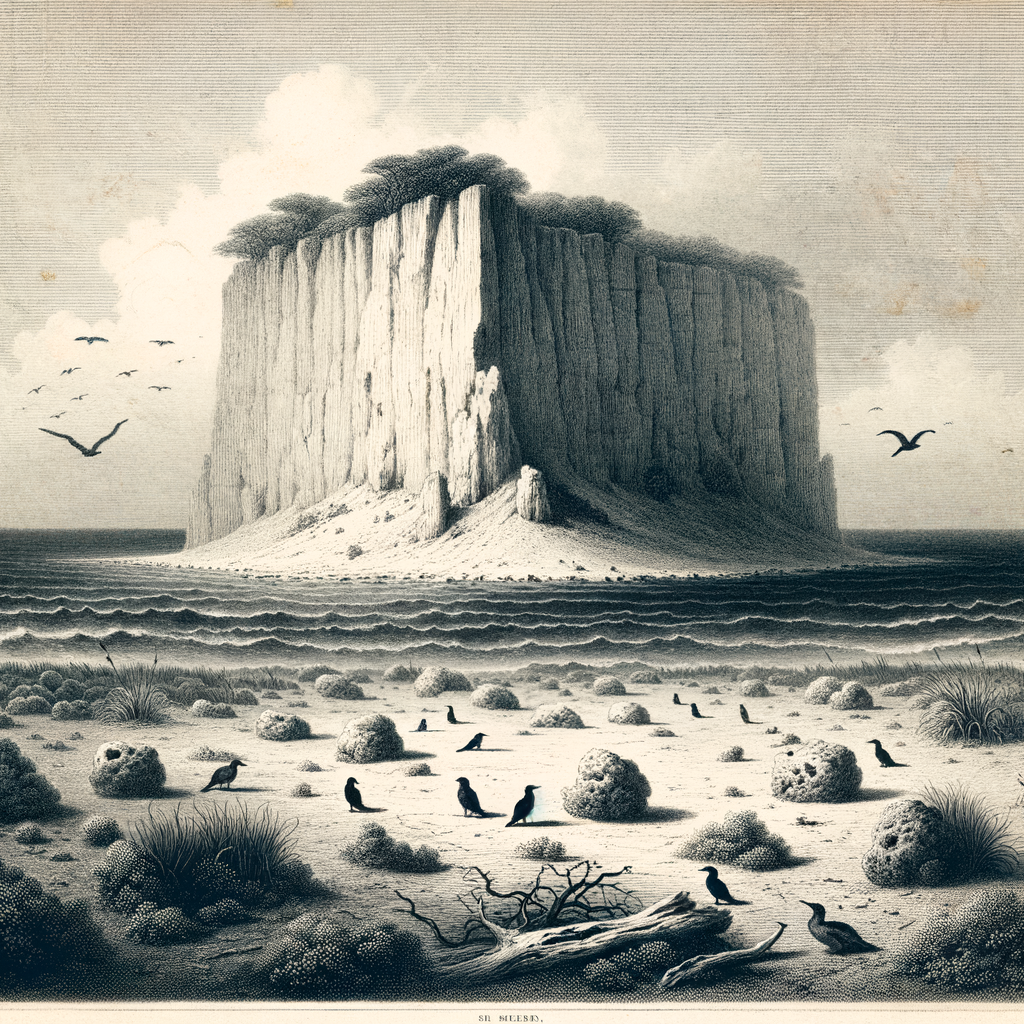
What makes Motu One particularly unique is its unstable, shifting geography. Unlike volcanic islands that rise solidly above sea level, Motu One consists entirely of coral sand and reef material. Its landscape is constantly reshaped by ocean currents and trade winds, which can alter its shape significantly over time. There is no lagoon enclosed by the reef, which distinguishes it from many other Pacific atolls.
Flora and Fauna
Despite its lack of permanent freshwater sources and sparse vegetation, Motu One is an important habitat for various seabird species. It serves as a critical nesting site for frigate birds, terns, and boobies. Its protected status has helped preserve a relatively undisturbed avian environment.
Vegetation on the atoll is minimal and consists mainly of salt-tolerant grasses and low shrubs, though coconut palms have reportedly been planted in the past. The surrounding waters offer a biodiverse marine environment, rich with coral reefs, reef fish, and occasional visits by migratory species such as sea turtles and dolphins.
Scientific and Environmental Significance
Due to its untouched nature, Motu One is of marked interest to scientific communities studying atoll formation, climate change, and seabird migration patterns. The atoll acts as a living laboratory for observing how low-lying land masses adapt to rising sea levels and how marine biodiversity thrives in secluded waters.
French Polynesian authorities have designated Motu One as a nature reserve, and human activity is highly restricted to protect its fragile ecosystem. Access to the island requires special authorization, typically granted only for research or conservation purposes.
Interesting Facts About Motu One
– Motu One is sometimes referred to as the most northern atoll in French Polynesia.
– It is the only atoll in the Society Islands not formed by a central island surrounded by a complete barrier reef.
– Because of its low elevation, Motu One is considered particularly vulnerable to rising sea levels and could potentially disappear beneath the ocean in the future.
– The island’s ever-changing structure has made mapping efforts challenging, and its geographical data are updated more frequently than those of other islands.
– Despite its harsh living conditions, Motu One once saw brief human encampments for guano and copra collection during the early 20th century, though none were sustained.
Legends and Cultural Significance
While largely uninhabited throughout its history, Motu One has not been bereft of cultural meaning. According to oral traditions of neighboring islands, Motu One plays a symbolic role as a sacred resting place. It is said that ancient Polynesian navigators would use the atoll as a celestial alignment point, watching its position in relation to the stars while navigating between Raiatea and the western reaches of the archipelago.
Some elders from nearby Maupiti still tell tales of “Te Mata Atea,” or “The Open Eye,” a spirit believed to dwell on Motu One. According to legend, this watchful guardian protected the surrounding seas and ensured safe passage for those traveling sacred routes between islands. Those who encountered the spirit were either blessed with calm seas or warned with haunting dreams not to linger too long in its territory. Today, while rarely visited, Motu One continues to be regarded with a mix of scientific interest and quiet reverence.
Accessibility and Conservation
Motu One is exceptionally remote and lacks docking facilities or safe harbors, making access difficult even for experienced seafarers. Most visits are conducted via scientific expeditions or conservation missions using charter vessels equipped for off-loading near shallow reefs.
Because of its ecological sensitivity, Motu One is protected under French Polynesian environmental law, and landing on the atoll without permission is strictly prohibited. Current conservation efforts focus on monitoring seabird populations and limiting the introduction of invasive species, which could dramatically affect the fragile balance of the atoll’s micro-ecosystem.
Conclusion
Motu One stands as an emblem of nature’s solitude—a remote sliver of sand in the vast Pacific offering a refuge to seabirds and a beacon for scientific study. Though small and seldom seen, it holds immense value in both ecological and cultural terms. With rising interest in climate adaptation and ecosystem preservation, Motu One may very well become a focal point in understanding how such fragile environments can be shielded from the challenges of a changing world.