Ocean Island: A Remote Gem in the Pacific
Ocean Island, also known as Banaba, is a solitary and remote island located in the central Pacific Ocean. Part of the island nation of Kiribati, it sits approximately 300 kilometers east of Nauru and far from any major population centers, making it one of the most isolated inhabited islands in the world. Despite its small size and limited accessibility, Ocean Island boasts a rich history, unique geological formation, and a cultural heritage that remains resilient in the face of environmental and historical challenges.
Geographical Overview and Geological Origins
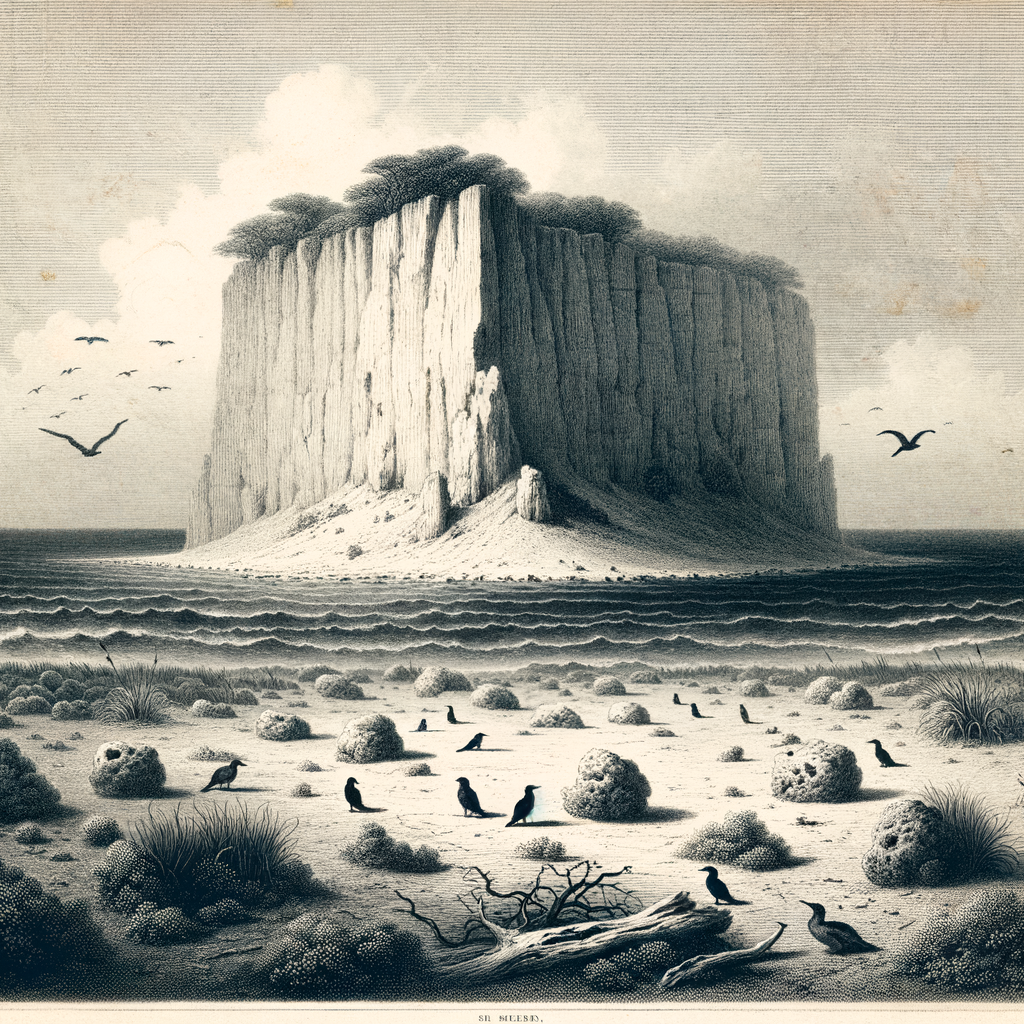
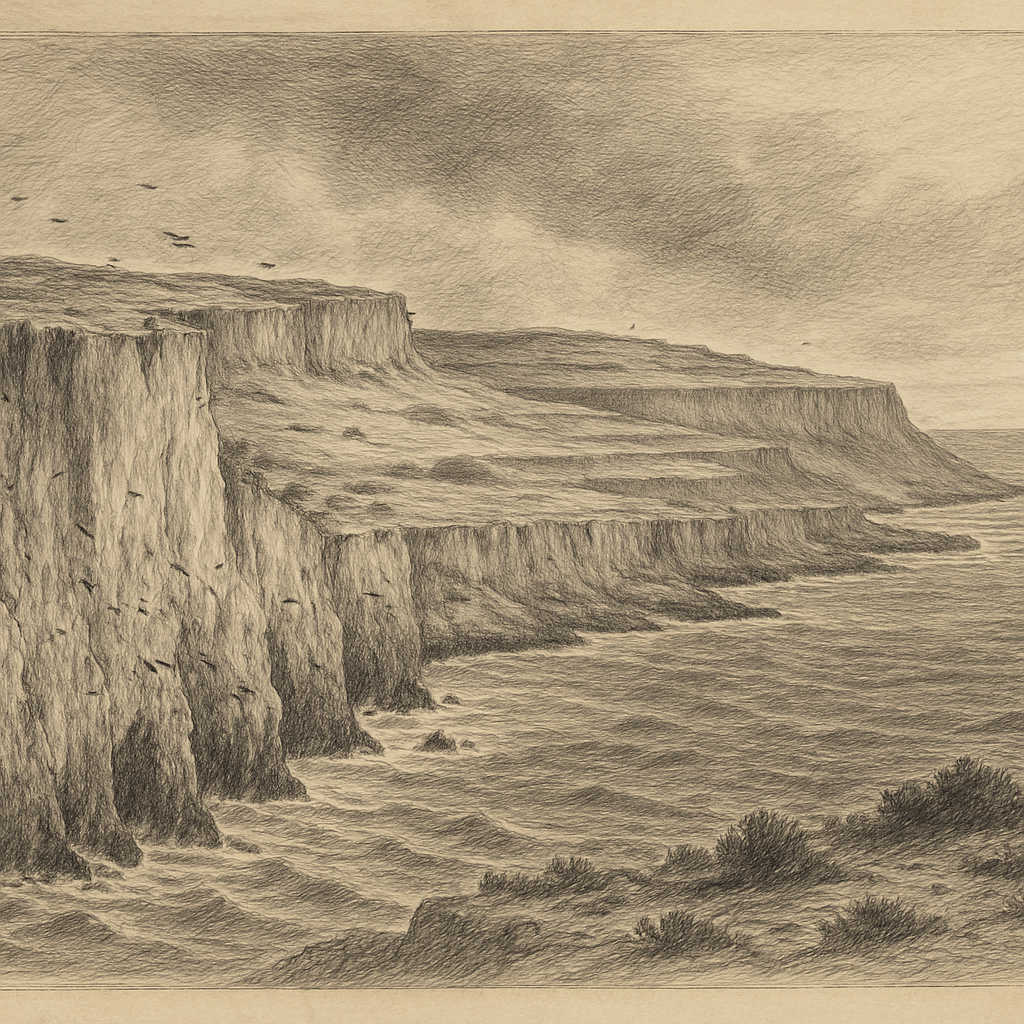
Ocean Island rises steeply from the surrounding ocean and covers an area of about 6 square kilometers. It is a raised coral island, or makatea, formed from ancient coral reefs that were uplifted due to volcanic and tectonic activity over millions of years. Unlike the more typical low-lying atolls found in much of the Pacific, Ocean Island is elevated, with its highest point reaching around 80 meters above sea level. The island is surrounded by steep cliffs, making beach access difficult and contributing to its isolation.
This geological structure made the island particularly rich in phosphate deposits derived from centuries of accumulated seabird droppings, known as guano. In the late 19th and early 20th centuries, these deposits attracted extensive mining activities that shaped the landscape and drastically altered the island’s ecosystem.
Climate and Biodiversity
Ocean Island experiences a tropical climate characterized by high temperatures, abundant sunshine, and relatively consistent rainfall throughout the year. While the isolation of the island might suggest a pristine environment, the reality is more complex. Due to extensive phosphate mining, much of its natural vegetation was destroyed, and native flora and fauna suffered significantly. However, efforts have been made in recent decades to begin ecological restoration.
Despite past damage, the island’s unique geographic and climatic conditions support pockets of native plant life, as well as seabird populations that still return to nest on the cliffs and plateau. Marine life around the island is varied and includes reef fish, turtles, and occasional visits from migratory species such as whales and dolphins.
Human Habitation and Historical Context
Ocean Island has been inhabited for several centuries by Micronesian peoples who developed a distinctive Banaban culture. The population lived in harmony with the limited resources available, relying on fishing, small-scale agriculture, and rainwater collection.
European contact began in the 19th century, and by 1900, British phosphate companies began mining operations that lasted until the island’s resources were essentially depleted in the 1970s. The mining industry not only devastated the ecological landscape but also led to the forced relocation of most of the Banaban people to Rabi Island in Fiji in 1945. Today, only a small number of Banabans reside on Ocean Island, maintaining a symbolic connection to their ancestral homeland while striving to preserve their cultural identity.
Interesting Facts About Ocean Island
– Ocean Island was once one of the richest sources of phosphate in the world, contributing to agricultural development in countries like Australia and New Zealand.
– The massive craters and pits left behind by mining have transformed the island’s appearance, giving it an otherworldly, almost lunar landscape.
– Despite its isolation, Ocean Island had infrastructure typical of a mining economy, including a narrow-gauge railway, loading docks, and a central energy plant — remnants of which can still be seen today.
– The island was occupied by Japanese forces during World War II, and remnants of wartime installations remain scattered across the cliffs.
– Banabans who were moved to Rabi Island in Fiji continue to hold Ocean Island as their cultural and spiritual homeland, with property and land claims still being disputed to this day.
Legends and Cultural Significance
According to Banaban oral tradition, Ocean Island was created by the mythical figure Te Aka, a giant man whose tears formed the island after he was cast away by his people for his enormous size. This origin myth connects the physical island deeply to Banaban identity and establishes it as a sacred space in their cultural cosmology.
Another legend speaks of a powerful spirit residing in the island’s main freshwater spring, known as Tabiang. Elders speak of the spirit’s protection of the island’s people and natural resources, and it is said that those who disrespect the land or water may fall ill or suffer misfortune. Such stories continue to hold significance, especially among Banabans advocating for the spiritual restoration of their homeland.
Access and Preservation Efforts
Due to its remote location and infrastructural limitations, access to Ocean Island is restricted. It can only be reached by charter boat or occasional supply vessels. There is a small airstrip, but it is not regularly serviced, making travel difficult and infrequent.
In recent years, renewed interest in environmental recovery has led to small-scale rehabilitation projects aimed at replanting native vegetation and restoring remaining ecosystems. Moreover, Banaban leaders and allied organizations continue to push for greater recognition of the island’s historical injustices and advocate for sustainable development that honors both the land and its people.
Conclusion
Ocean Island stands as a testament to resilience — both of nature in recovering from environmental devastation, and of a people in preserving their heritage and cultural identity. Though it may be one of the most remote islands in the world, it remains deeply significant to those who call it home and those who are bound to it by legacy. As efforts toward preservation and awareness continue, Ocean Island offers an important story about the balance between resource use, cultural survival, and environmental stewardship.