Pagan Island: A Remote Volcanic Gem in the Pacific
Pagan Island, part of the Northern Mariana Islands in the western Pacific Ocean, remains one of the most remote and enigmatic islands on Earth. With its dramatic volcanic peaks, untamed landscapes, and a history shaped by natural disasters and ancient legends, Pagan captivates scientists, explorers, and the curious alike. Despite being largely uninhabited today, the island plays a significant role in the cultural and geological narrative of the region.
Geography and Location
Pagan Island is situated in the central stretch of the Mariana Islands chain, approximately 320 kilometers north of Saipan and nearly 2,000 kilometers east of the Philippines. The island lies within the U.S. Commonwealth of the Northern Mariana Islands and spans about 47 square kilometers. The thin, elongated island is divided into two main parts: North Pagan and South Pagan, both of which are formed by separate stratovolcanoes connected by a narrow isthmus.
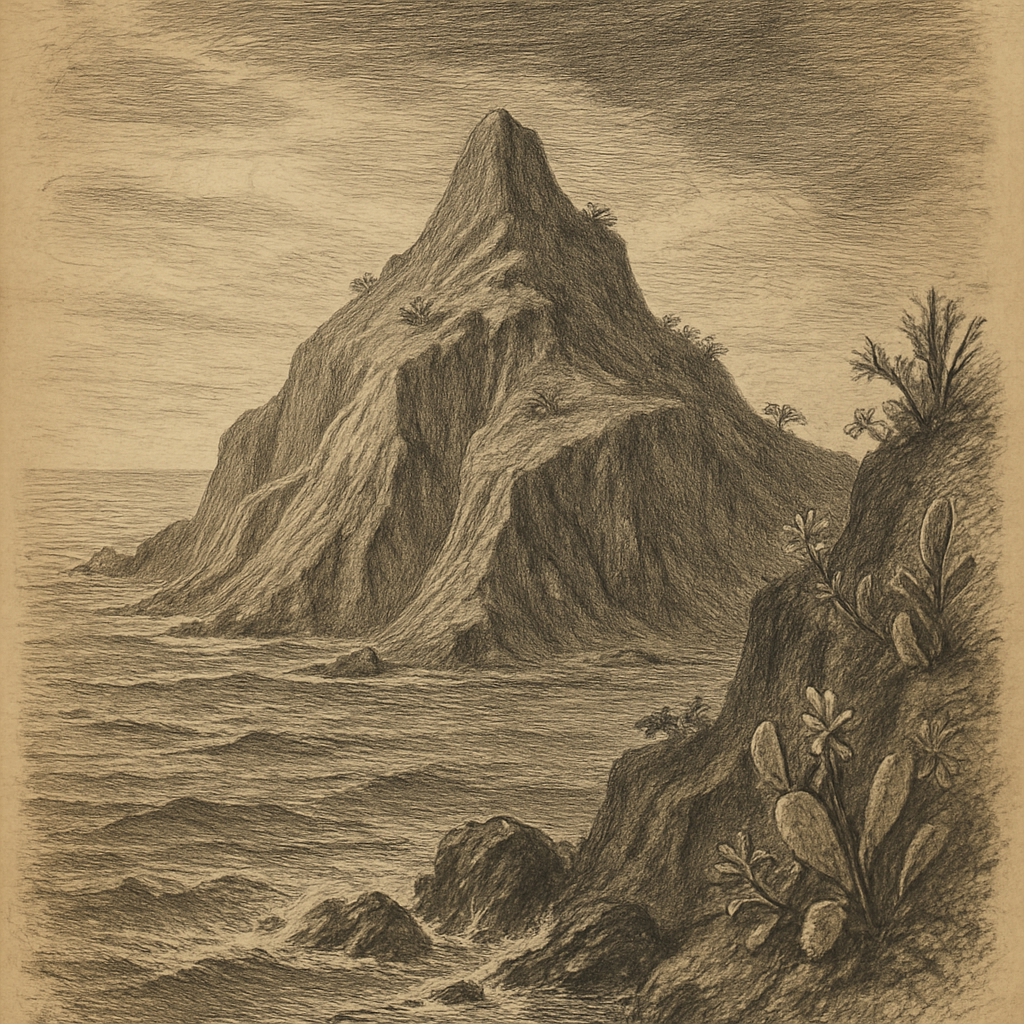
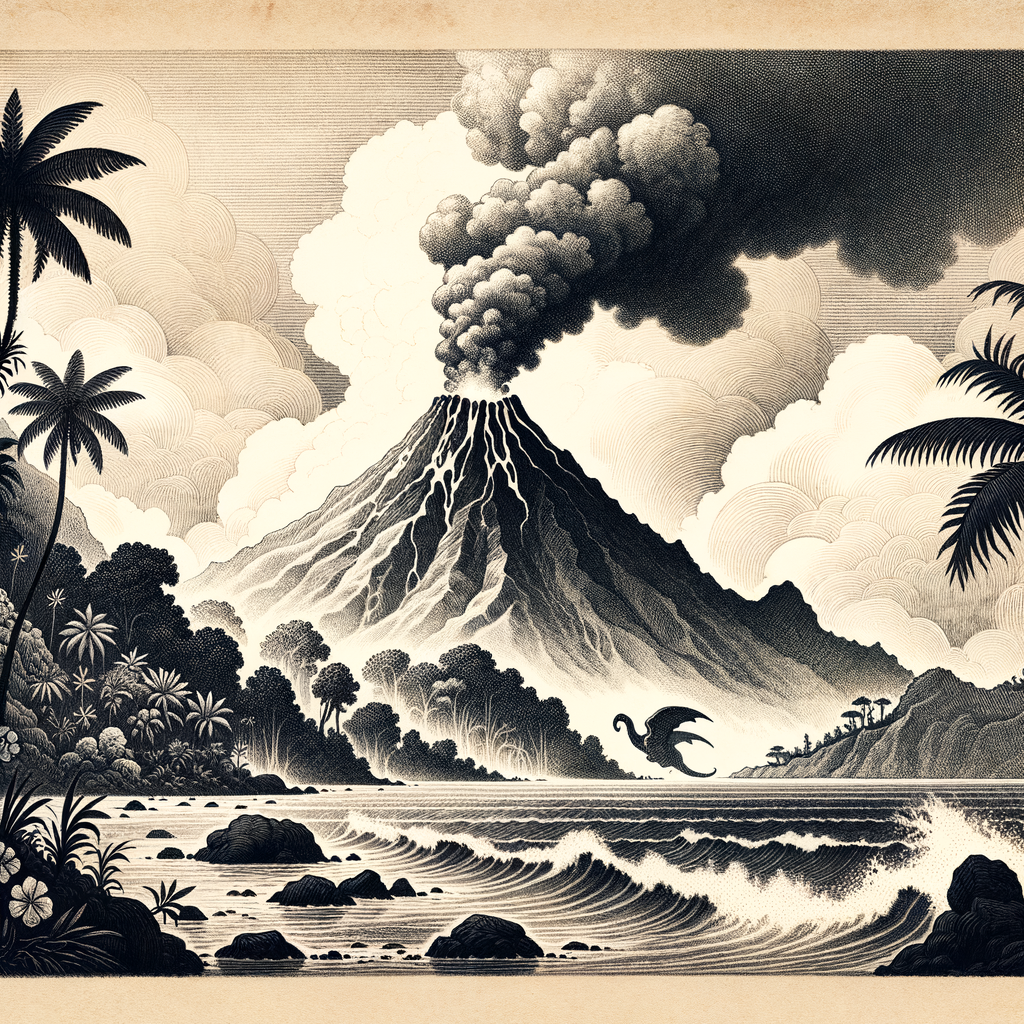
One of the most striking features of Pagan is the active Pagan Volcano located in the northern part of the island. The volcano rises to an elevation of around 570 meters (1,870 feet), dominating the skyline and serving as a prominent reminder of the island’s fiery origins.
Geological Significance
The island of Pagan is entirely volcanic in origin and is part of the larger Mariana volcanic arc that rings the Pacific Plate. This arc forms a segment of the Pacific Ring of Fire — a region renowned for its intense seismic and volcanic activity. Pagan’s geology is marked by layers of basaltic lava flows, pyroclastic deposits, and ash created by countless eruptions over millennia.
The Pagan Volcano has been intermittently active, with eruptions recorded as recently as the 1980s. A significant eruption in May 1981 forced the evacuation of almost 300 inhabitants, a turning point after which the island was largely abandoned. Today, volcanic monitoring continues, but access to the island remains restricted due to the potential threat of renewed activity.
Climate and Biodiversity
Pagan Island enjoys a tropical marine climate characterized by warm temperatures throughout the year and heavy rainfall, particularly during the typhoon season. This climate supports a variety of plant and animal life, much of which is unique to the island or the surrounding archipelago.
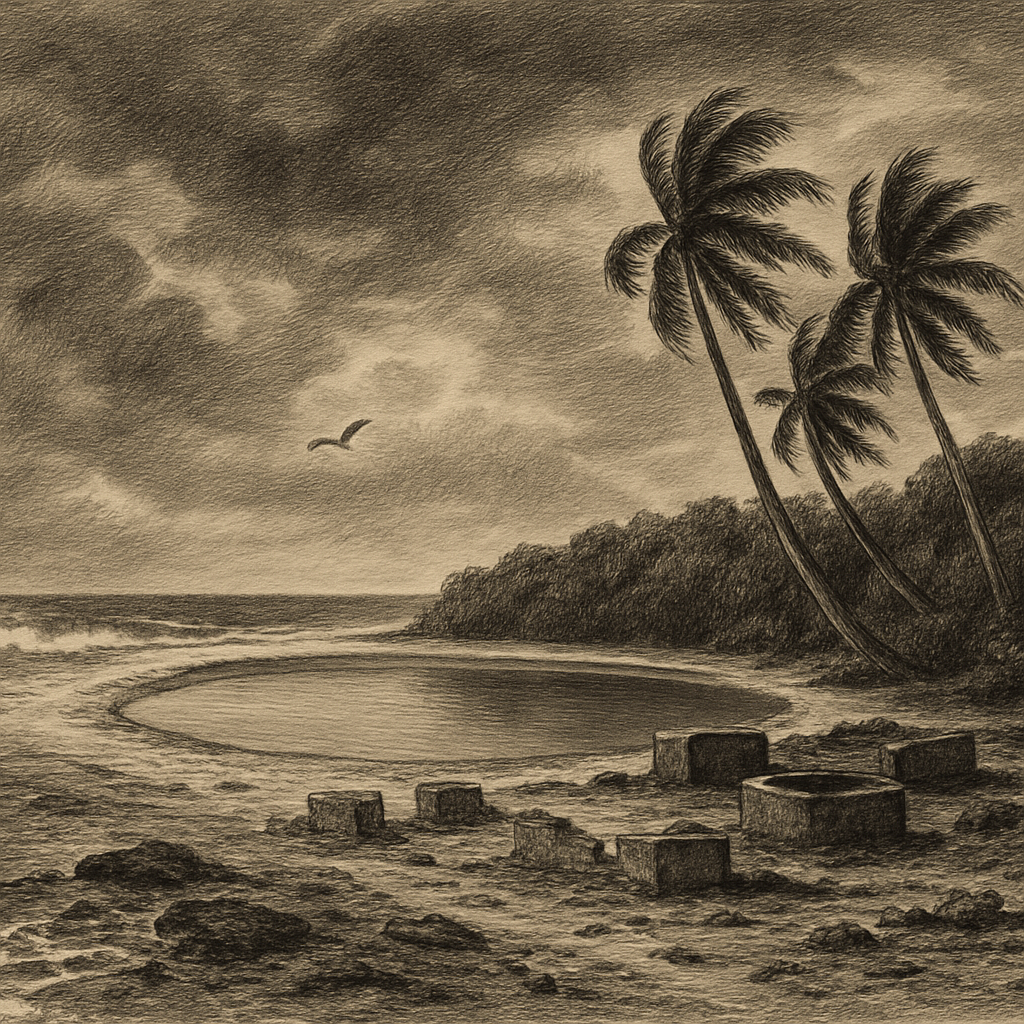
Despite the harsh volcanic landscape, nature has rebounded in areas spared by lava flows. Scrub forests, coconut palms, and grasses dominate the lowlands, while the slopes of the volcano are home to hardy ferns and shrubs more tolerant of the acidic soils. Birdlife on Pagan is especially diverse, with species such as the Micronesian Megapode and Mariana Swiftlet making their homes on the island. Coastal reefs and the surrounding waters shelter numerous marine species, from vibrant coral communities to sea turtles and reef sharks.
Human History and Culture
Archaeological evidence suggests that Pagan Island has been inhabited for thousands of years. The earliest settlers were likely Chamorro people, the indigenous inhabitants of the Mariana Islands, who developed complex cultures tied closely to the sea. During the centuries that followed, the island was successively colonized by Spanish, German, Japanese, and finally American authorities.
Under Japanese administration in the early 20th century, Pagan hosted extensive coconut plantations and small fishing communities. However, the island’s volatile geology made permanent habitation perilous. Following World War II, efforts were made to resettle former residents, but the 1981 volcanic eruption once again displaced the entire population, and Pagan has remained largely uninhabited ever since.
Interesting Facts
Pagan Island is not only geologically active but also holds several quirks and mysteries:
– Pagan is actually composed of two volcanoes: Mount Pagan to the north, still active, and South Pagan, which has not erupted in recorded history.
– The island is often used for military observation and training missions, although these plans have raised concerns among environmentalists and former residents.
– Despite its remoteness, Pagan Island has developed a kind of cult status among adventurers and researchers, who regard it as one of the last untouched wildernesses in the Pacific.
– The island is known as one of the few places in the Pacific where one can see the dramatic contrast of black lava against turquoise waters and lush green vegetation, all within a few kilometers.
Legends and Mythology
Like many islands in the Pacific, Pagan has its share of myths and legends passed down through generations of Chamorro ancestors. One popular legend tells of two brother-spirits who created Pagan’s twin volcanoes in a great battle, hurling boulders and fire across the seas. It is said that these spirits still sleep within the craters — and when they stir, the Earth trembles and smoke rises in warning.
Another tale speaks of a sea guardian who protected Pagan’s shores from invaders. This spirit was believed to take the form of a giant turtle, visible only at dawn or dusk, gliding silently through the reef. According to some elders, the turtle still appears to warn of approaching danger, such as a typhoon or volcanic eruption.
These legends, while often dismissed as folklore, illustrate the profound connection the islanders had with their environment and underline the sense of reverence towards the unpredictable forces of nature that define Pagan.
Access and Preservation
Access to Pagan Island is highly restricted due to ongoing volcanic risks and its classification as a wilderness area. Special permits are required for anyone wishing to land on or conduct research on the island, typically granted to scientists, conservationists, or members of the Department of Defense under limited circumstances.
As with many remote Pacific islands, Pagan faces the challenges of conservation and sovereignty. The removal of invasive species, such as feral goats and pigs, has been a key priority of environmental groups seeking to protect the island’s ecosystem. Meanwhile, cultural activists advocate for the rights of the former residents and their descendants, many of whom hope to one day return.
Conclusion
Pagan Island stands as a testament to the raw beauty and power of Earth’s volcanic forces. It is a land where fire shapes the land, myths echo through the misty forests, and life finds a way through ash and stone. Though uninhabited and often overlooked, Pagan continues to inspire fascination as one of the Pacific’s last great wild frontiers.