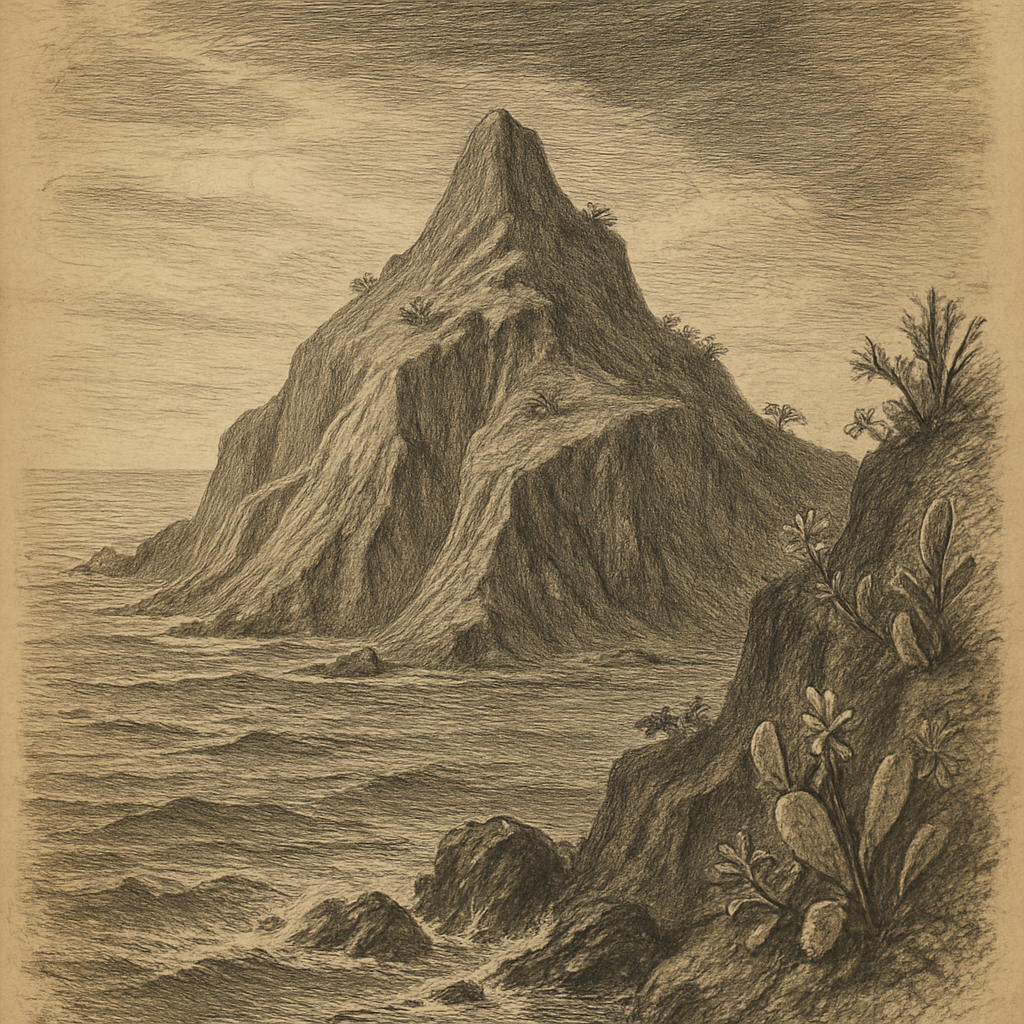
Palmyra Atoll: A Remote and Enigmatic Coral Haven
Palmyra Atoll is a remote and uninhabited coral atoll located in the North Pacific Ocean, roughly halfway between Hawaii and American Samoa. Though small in size and population, it captivates scientists, adventurers, and storytellers alike with its unique ecosystem, strategic location, and an air of mystery that has shrouded the island for centuries.
Geographical Location and Formation
Palmyra Atoll lies about 1,000 miles (1,600 km) south of Honolulu and is part of the Northern Line Islands. Administered as an unorganized incorporated U.S. territory, the atoll is privately owned by The Nature Conservancy, while the majority of the land is managed as a National Wildlife Refuge by the United States Fish and Wildlife Service.
The atoll comprises approximately 50 islets spread across 12 square kilometers (4.6 square miles) of land area. These islets encircle a central lagoon and are built on the rim of an ancient submerged volcano. Like other coral atolls, Palmyra formed over millions of years as reef-building corals grew on the edges of the sinking volcanic island, leaving behind a ring-shaped reef.
Climate and Environment
Palmyra Atoll lies just north of the equator and experiences a tropical climate. The weather is characterized by high humidity, consistent temperatures, and abundant rainfall, averaging over 4,000 mm annually. Tropical rains and warm trade winds dominate year-round.
This remote location and equatorial climate have allowed Palmyra to develop into a pristine ecological preserve. The atoll’s waters and islets host an astounding variety of flora and fauna, most notably lush coconut palms, seabird colonies, and marine life such as giant clams, reef sharks, manta rays, and endangered green sea turtles.
A notable feature is the resilience and diversity of the coral reefs around Palmyra, which serve as an essential laboratory for studying climate change impact on coral ecosystems. Scientific expeditions conduct long-term research here thanks to the island’s near-pristine baseline.
Biodiversity and Conservation
In 2000, The Nature Conservancy and the U.S. federal government took crucial steps to preserve Palmyra’s fragile ecosystem. Today, the island is part of the Pacific Remote Islands Marine National Monument, one of the world’s largest protected marine areas.
Thanks to aggressive conservation efforts—including the removal of invasive rats and coconut palms—native species like the Pisonia grandis tree and many seabird populations have made remarkable comebacks. Palmyra is recognized as an Important Bird Area (IBA), providing nesting grounds for several seabird species, including red-footed boobies, black noddies, and great frigatebirds.
Moreover, its lagoon and outer reef are home to more than 400 species of fishes and 120 species of stony corals. Sharks are abundant in the surrounding waters, making it one of the most predator-dense marine ecosystems on the planet.
Human Presence and Accessibility
Historically, Palmyra has never had an indigenous population. The atoll was first sighted in 1798 by American sea captain Edmund Fanning. Since then, it has remained almost entirely uninhabited, with short stints of human presence by military forces during WWII and later by caretakers, scientists, and conservationists.
Access to Palmyra is strictly regulated. Landing on the island requires prior permission from The Nature Conservancy as well as from the U.S. Fish and Wildlife Service. Most visitors are researchers or volunteers involved in conservation efforts, and travel is generally restricted to private or chartered vessels.
A small airstrip, constructed by the U.S. Navy during WWII, remains visible but is no longer operational. Today, travel to and from Palmyra depends largely on boats capable of navigating its isolated waters, reinforcing its status as one of the most inaccessible territories administered by the United States.
Curious Facts About Palmyra Atoll
Despite its obscurity, Palmyra Atoll is rich in intriguing facts. For example:
– Palmyra is one of only a few incorporated U.S. territories, meaning it is permanently part of the United States, but has no local government or population.
– The atoll is also unusual in that it is not part of any U.S. state, dependency, or organized territory, placing it in a unique legal position.
– During WWII, the atoll played a strategic role as a refueling station and military outpost. Ruins of bunkers, buildings, and runways still dot the atoll today.
– Palmyra’s coral reefs are some of the healthiest in the world—a scientific treasure trove offering insights into ocean health and climate resilience.
– The island supports rare ecological interactions, such as vegetation-fueled seabird colonies fertilizing the soil and nurturing herbivorous insects—relatively rare phenomena in modern ecosystems.
Legends and Mysteries of Palmyra
Palmyra Atoll also possesses a darker, more mysterious side, with a history that has inspired books, theories, and rumors. The most famous of these is the case of the Sea Wind murders in 1974. A couple, Malcolm “Mac” Graham and his wife Eleanor, were sailing through the South Pacific when they anchored at Palmyra. They were later attacked and killed, and the case remained unsolved for years until another sailor, Duane “Buck” Walker, was eventually convicted for the crime. The mystery stirred national attention and became the subject of numerous true-crime books and documentaries.
Sailors have long whispered about the island’s eerie atmosphere, unexplained disappearances, and cursed aura. Some even liken Palmyra to the Bermuda Triangle, citing compasses that spin out of control, ghost sightings, and inexplicable phenomena. While science offers no proof of such supernatural events, the isolation and wildness of the atoll lend themselves well to legends.
Conclusion
Palmyra Atoll, with its breathtaking natural beauty, ecological importance, and mysterious past, stands as a paradox of pristine environment and human intrigue. Its remoteness has preserved landscapes almost untouched by civilization, offering a rare glimpse into what many marine and island ecosystems might have once looked like.
As conservationists and researchers continue to unveil the secrets of this coral sanctuary, Palmyra remains both a living laboratory and a source of myth—an enduring symbol of nature’s persistence and the allure of the unknown.