Introduction to Raoul Island
Raoul Island, the largest of the Kermadec Islands, is a secluded and fascinating landmass situated in the South Pacific Ocean. Known in Māori as Rangitahua, the island lies approximately 1,100 kilometers northeast of New Zealand’s North Island. Though isolated, Raoul Island is an essential part of New Zealand’s natural heritage and a vital domain of ecological and geological significance.
Geographical and Geological Overview
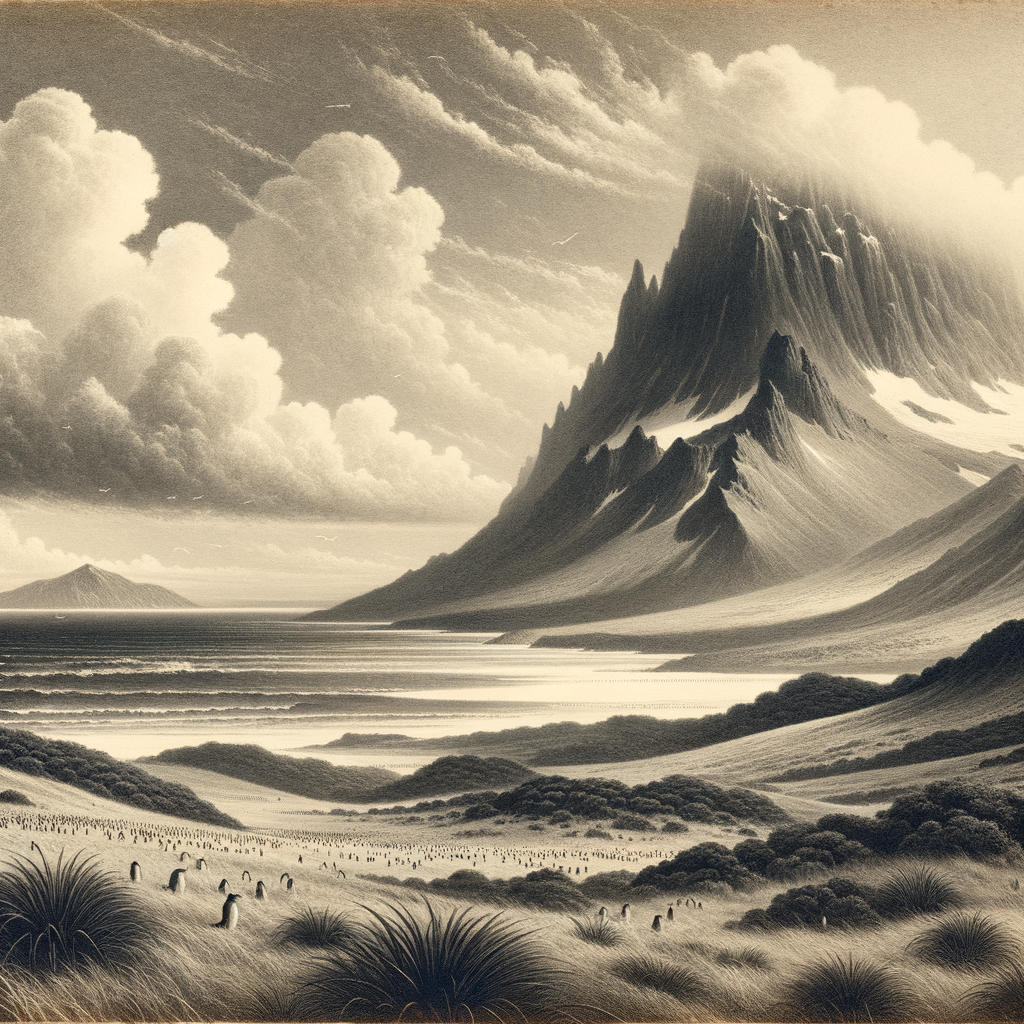
Raoul Island encompasses an area of about 29.38 square kilometers. It features rugged terrain shaped by its volcanic origins and is crowned by its highest peak, Mt. Mumukai, which reaches 525 meters above sea level. The island is essentially the exposed summit of a submerged volcanic massif and contains a central caldera formed by past explosive eruptions.
Situated along the massive Kermadec Ridge—a pivotal segment of the Pacific Ring of Fire—Raoul Island is a product of the tectonic subduction zone where the Pacific Plate sinks beneath the Indo-Australian Plate. This tectonic activity birthed the formidable Kermadec Trench, located southeast of the island and plunging up to 8 km deep beneath the ocean surface.
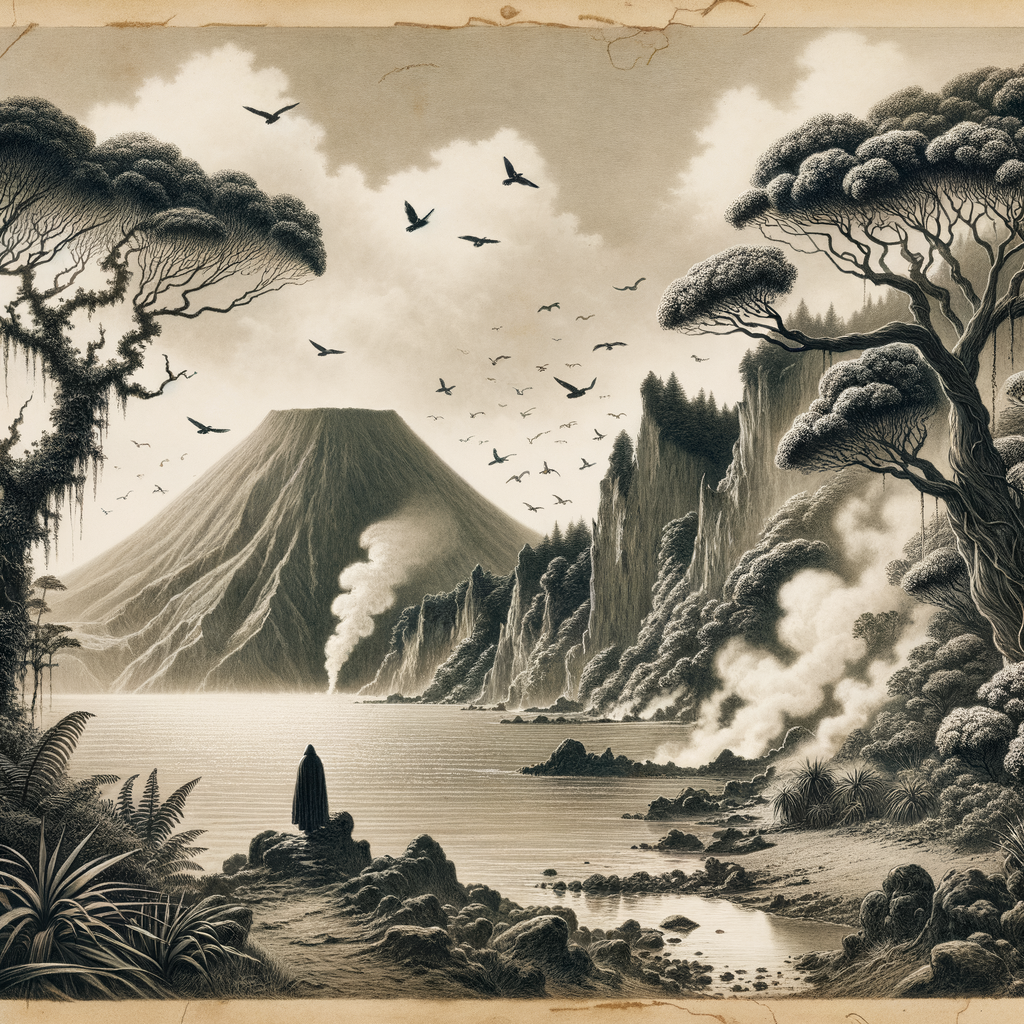
Volcanic in origin, the island frequently experiences seismic and geothermal activity. Historically, the caldera has erupted multiple times, with notable events in 1814, 1870, and more recently in 2006, reminding observers of the island’s dynamic and sometimes perilous nature.
Biodiversity and Unique Ecosystems
Raoul Island’s remote location and subtropical climate contribute to its distinctive environment. The island enjoys a moderated climate with an average annual rainfall of 1,450 millimeters, creating a verdant landscape that nurtures both temperate and subtropical species.
Flora on Raoul Island includes native trees such as the Kermadec pōhutukawa (Metrosideros kermadecensis), which blankets large parts of the island in crimson flowers during blooming season. The flora is complemented by endemic fauna, most notably the Kermadec red-crowned parakeet, a species once driven to local extinction but successfully reintroduced in ecological restoration efforts.
Raoul Island is critically important for avian conservation. As an Important Bird Area (IBA), it provides breeding grounds for several species of seabirds, including sooty terns, masked boobies, and black-winged petrels. Offshore, its marine environment supports vibrant coral communities, predatory pelagic fish, green sea turtles, and sightings of humpback and blue whales during migration seasons.
Human Interaction and Conservation Efforts
Though once briefly inhabited by Polynesians and later by European settlers, Raoul Island now has no permanent civilian population. Instead, it is staffed by New Zealand’s Department of Conservation (DOC) personnel and periodically by meteorologists. These individuals are vital to ongoing conservation and monitoring programs on the island.
Human intervention over the past two centuries led to the introduction of non-native species such as goats, cats, and rats, which significantly disrupted the island’s ecological balance. Since the late 20th century, DOC has implemented extensive eradication programs, successfully removing several of these invasive species. This has allowed the island’s native flora and fauna to recover and has restored much of the island’s natural integrity.
Access to Raoul Island is strictly limited. Special permits are required for any visits, typically reserved for scientific research, ecological restoration, or geological study. The island emphasizes protection over tourism, preserving its pristine condition for future generations.
Interesting Facts About Raoul Island
Raoul Island holds a number of compelling attributes beyond its physical and biological features. It is the only Kermadec Island with natural freshwater sources in the form of crater lakes and springs, which made it more habitable than its neighbors.
It is also one of the few places on Earth where visitors can directly observe both active volcanism and recovering ecosystems in a single, dramatic setting. Due to its activity, the island is closely monitored by the New Zealand GeoNet system for seismic events and volcanic alerts.
Another interesting detail is its role in radio operations. Due to its DXCC entity status in the amateur radio community, Raoul Island has become a sought-after location for DXpeditions—short-term amateur radio operations which provide rare contacts for hobbyists around the globe.
Moreover, Raoul Island serves as a critical waypoint for migratory marine life. Its surrounding waters act as a biological corridor for species traveling between the southern and northern Pacific, reinforcing the island’s importance in oceanic ecology.
Legends and Mysteries of Raoul Island
Though little concrete evidence remains, oral Māori traditions and Polynesian navigation lore suggest that early Polynesian voyagers may have visited or temporarily settled on Raoul Island. Known to Māori as Rangitahua, the island appears in canoe migration stories as a stopping point between Polynesia and Aotearoa (New Zealand).
One particularly intriguing legend involves a tale of sacred fire buried beneath Raoul’s volcanic vents. Māori mythology often associates volcanic phenomena with divine forces, and stories swirl about the island being the realm of subterranean deities or spirits known as atua. Such tales frame volcanic eruptions as expressions of these spiritual beings’ will or warnings to mortals.
European sailors also contributed eerily atmospheric stories, including reports of glowing mists, unexplained lights atop Mt. Mumukai, and ghostly phenomena witnessed by early meteorological teams. Though unproven, such legends lend a shroud of mystique to an already enigmatic island.
Conclusion
Raoul Island stands as a rare sentinel of nature—volatile, untouched, and brimming with biodiversity. Both a geological marvel and a conservation triumph, it embodies the raw power and delicate balance of Earth’s ecosystems. Its myths, mysteries, and ecological value make it more than just a remote rock in the ocean; Raoul Island is a living monument to the forces that shape our planet and the efforts we undertake to understand and protect them.