Rapa Iti Minor Island is a remote and little-known landmass nestled in the South Pacific Ocean. Often overshadowed by its larger neighbor, Rapa Iti (also known as Oparo), this minor island is part of the Austral Islands, the southernmost archipelago in French Polynesia.
Despite its small size and isolation, Rapa Iti Minor Island possesses unique geographical features, a rich cultural history, and an ecological identity that distinguishes it from other Pacific islands.
Geographical Location and Features
Rapa Iti Minor Island lies approximately 1,240 kilometers south of Tahiti and about 40 kilometers from its larger counterpart, Rapa Iti. It forms part of the same ancient volcanic chain that gave rise to the Austral Islands.
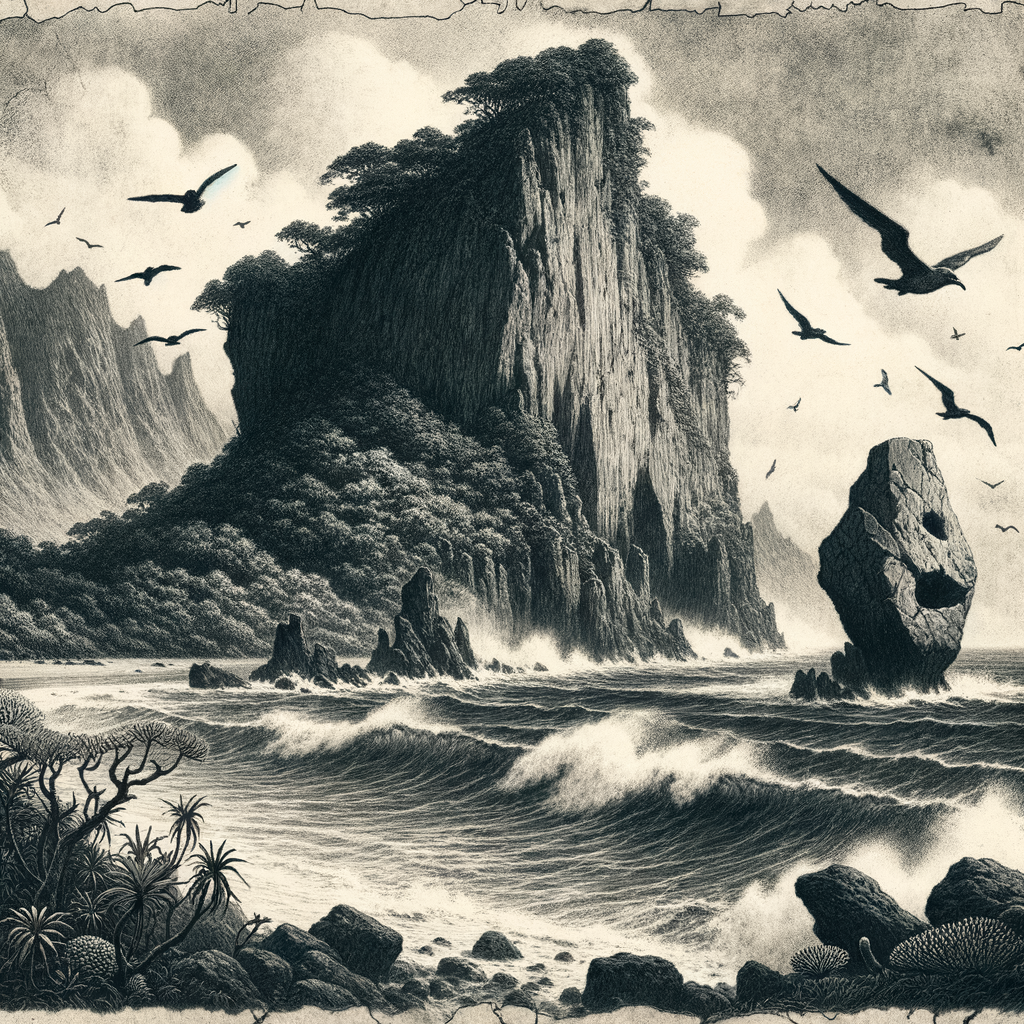
The island is volcanic in origin and consists primarily of rugged terrain and steep cliffs that rise dramatically from the sea. Unlike larger islands with extensive coral reefs or sandy beaches, Rapa Iti Minor is surrounded by rocky shores and deep waters, making landing by boat a challenge in harsh weather.
The island’s landmass spans only a few square kilometers, and its topography is dominated by sharp ridges and narrow valleys.
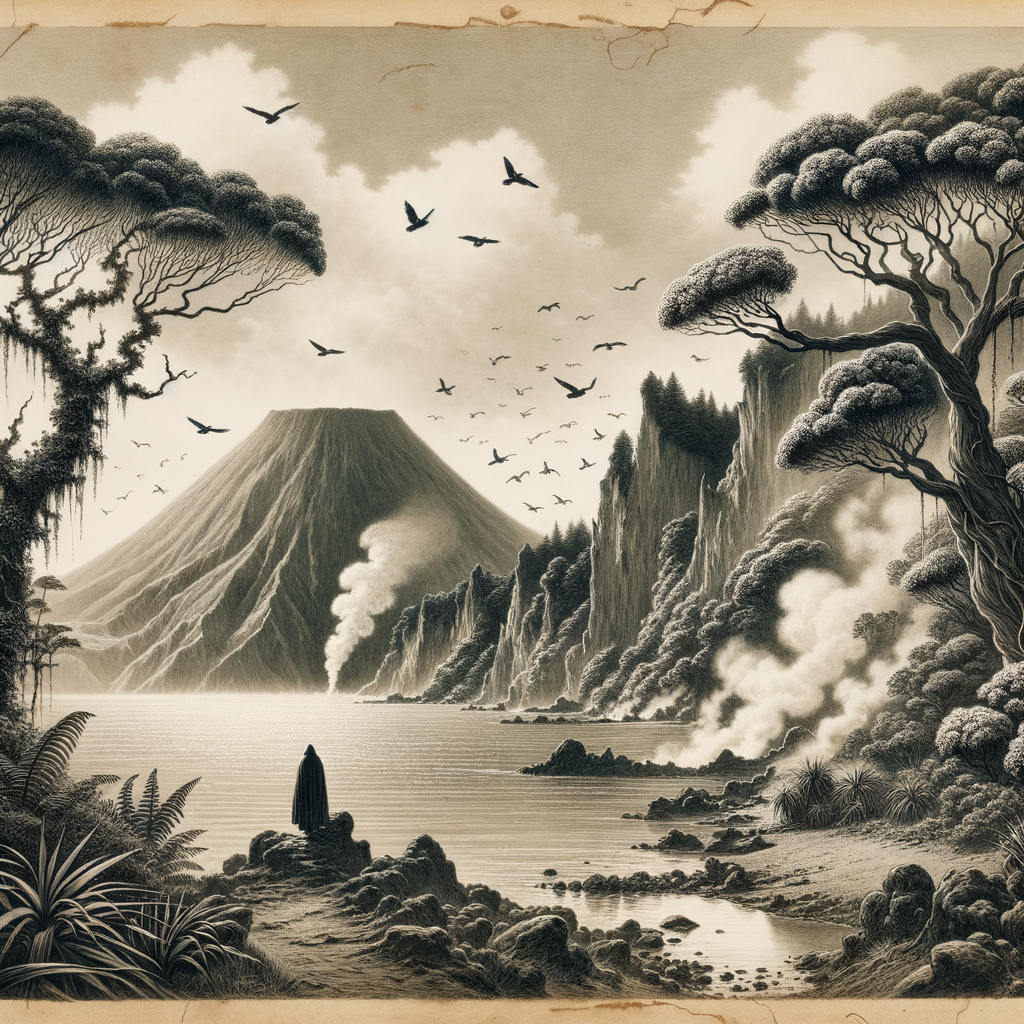
No permanent freshwater sources have been identified, and the landscape supports limited vegetation, consisting mostly of hardy shrubs, grasses, and small trees adapted to the oceanic winds and irregular rainfall.
Volcanic Origin and Natural Environment
Like many islands in this region, Rapa Iti Minor was formed by volcanic activity stemming from a hotspot deep beneath the Earth’s crust. Over millions of years, eruptions and the movement of the Pacific Plate helped shape the island into its current form.
The volcanic substratum is rich in minerals but poor in topsoil, limiting the diversity of plant life but creating pockets of unique microhabitats.
The surrounding marine environment is teeming with life, with coral structures and undersea ridges that provide shelter for a variety of reef fish, crustaceans, and marine invertebrates. Occasionally, passing pods of dolphins and migratory whales are sighted by the rare scientific expeditions that venture into these waters.
Rapa Iti Minor functions as a crucial breeding and resting site for several seabird species. The rocky ledges provide nesting grounds for species such as the sooty tern and the wedge-tailed shearwater.
Due to its ecological importance, it has been proposed as a protected area under the regional framework of the French Polynesian government.
Climate and Biodiversity
Rapa Iti Minor Island has a subtropical maritime climate characterized by moderate temperatures, persistent trade winds, and seasonal rainfall. Average annual precipitation reaches around 2,000 mm, largely influenced by oceanic currents and tropical weather patterns.
The island’s isolation has allowed for the development of endemic species, although its biodiversity is less extensive compared to larger islands. Native ferns and low-lying coastal vegetation are dominant, and invasive species are minimal due to the island’s inaccessibility.
This isolation preserves the fragile ecological balance and provides a unique opportunity for studying undisturbed natural processes.
Human Contact and Accessibility
There are no permanent inhabitants on Rapa Iti Minor Island, and evidence suggests that it was rarely, if ever, used for settlement by the indigenous Polynesians. However, occasional visits by nearby Rapa Iti fishermen and more recently by conservation scientists have provided limited insights into the island’s natural state.
Access to the island is restricted due to its rocky coastline and lack of infrastructure. Small boats and dinghies are used during brief survey missions, typically in favorable weather conditions.
Permits from the French Polynesian environmental authorities are required, and all visitors must adhere to strict ecological guidelines to minimize human impact.
Points of Interest and Curiosities
Despite its minute size and minimal human contact, Rapa Iti Minor Island holds several fascinating features. One such curiosity is a peculiar rock formation on the southern ridge that resembles a human face when viewed from the sea — a natural “moai” that stirs local imagination.
The island is often used as a natural laboratory for studying Pacific island biogeography, invasive species prevention, and seabird migrations. It also serves as an important monitoring point in the study of Pacific ocean currents, as it sits at a converging node for regional marine movement.
Another striking feature is a windswept plateau that shows evidence of ancient Polynesian stone arrangements. Though not confirmed, these may have been navigational markers or ceremonial sites, hinting that the island may have held ritual significance for early sea travelers from Rapa Iti.
Myths and Legends of Rapa Iti Minor
Where there are islands, there are stories. Rapa Iti Minor is no exception. According to oral traditions passed down through generations on Rapa Iti, the minor island was once regarded as “Te Mata o Tupa’hotu” — the Eye of Tupa’hotu, a guardian spirit of the sea.
As legend has it, Tupa’hotu placed one of his eyes on the minor island to watch over the main island and protect it from distant invaders.
Another tale speaks of the island being the resting place of Te Rere-hiva, an ancient navigator who was said to have found peace on the windswept slopes after a lifetime of oceanic voyage.
Locals believe that the cries of seabirds echoing through the cliffs carry his voice, guiding fishermen home during storms.
These legends, though rooted in mythology, reflect the profound relationship between the people of Rapa Iti and their surrounding seascape — where every rock and wave is woven into a larger cosmological story.
Conclusion
Rapa Iti Minor Island remains one of the least disturbed and least understood locations in the Pacific Ocean. Its combination of rugged natural beauty, ecological importance, and cultural mystique make it an intriguing subject for both scientific inquiry and folkloric exploration.
While human presence is sparse and visitation limited, the island acts as a silent sentinel of the South Pacific — preserving the memory of ancient voyages, the songs of seabirds, and the enduring balance of nature far from the clamor of the modern world.