Remote Islands

Exploring the World’s Most Remote Islands

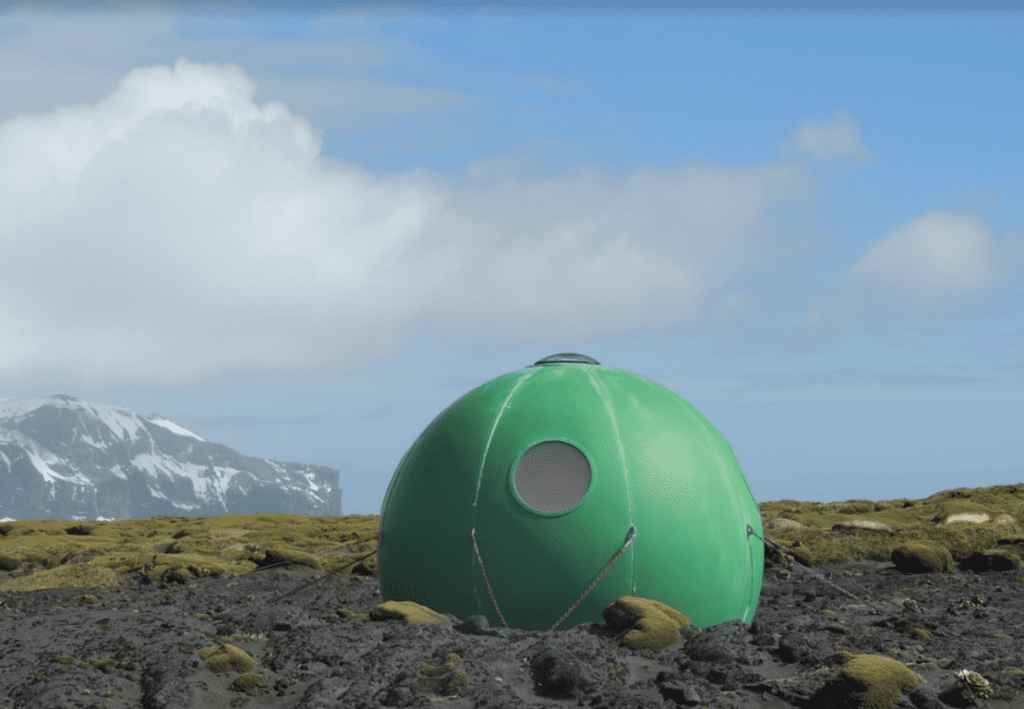
Settlement history of Heard Island

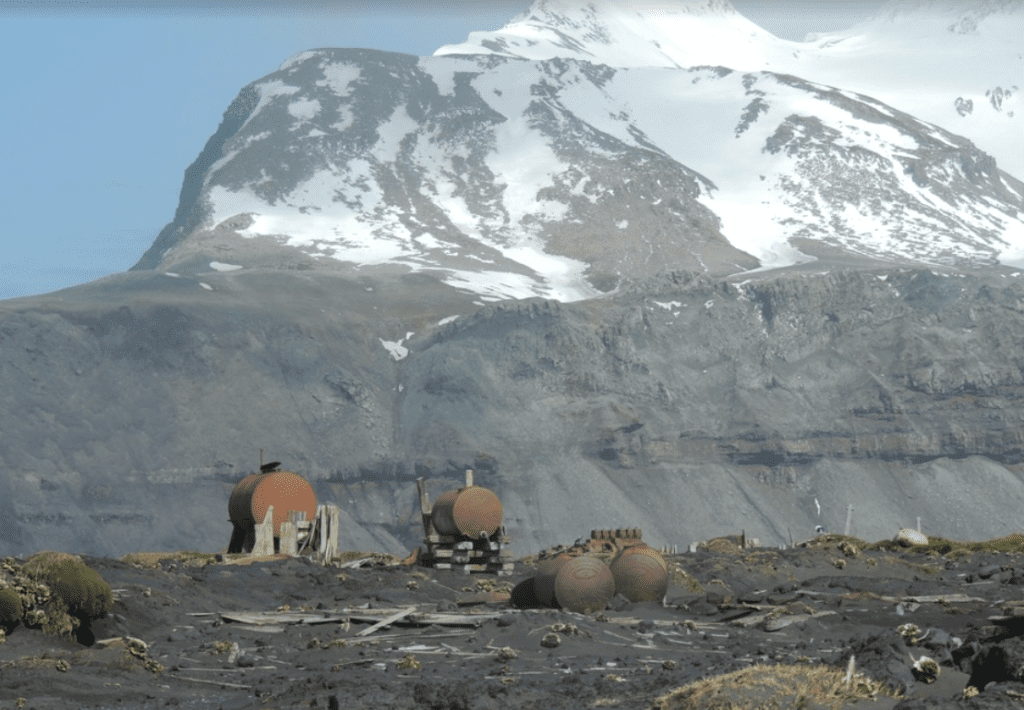
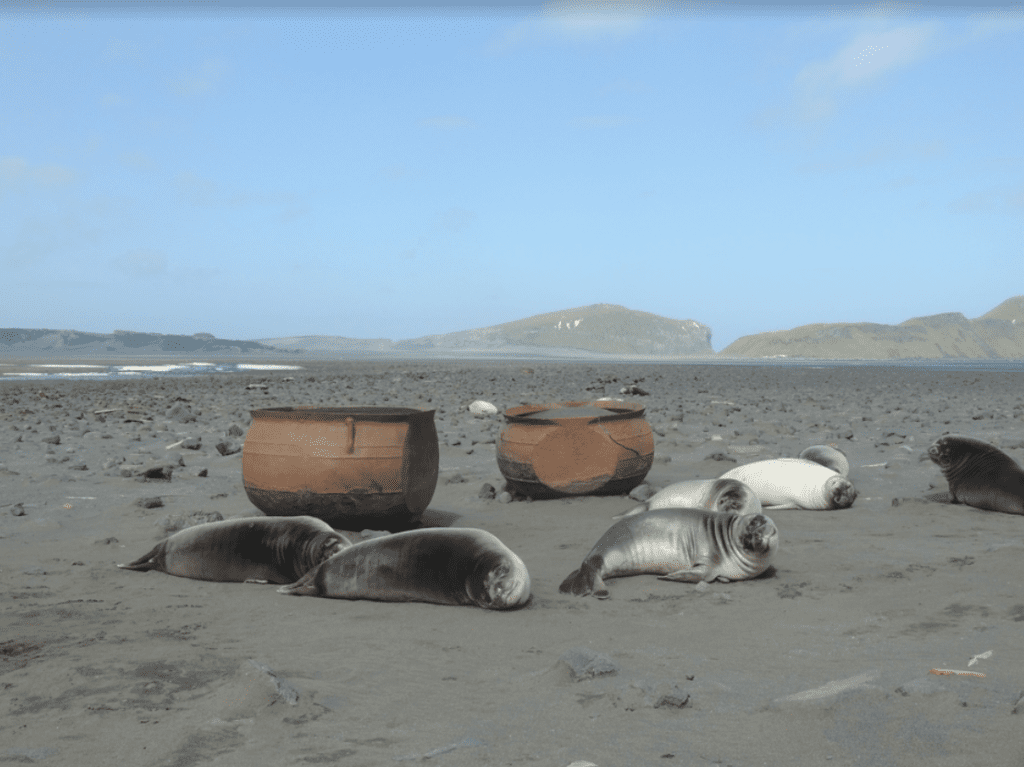
The island has a rich history of human activity, dating back to the early 19th century. The first known sighting of the island was in 1833 by a British naval captain named Peter Kemp. He named the island after his ship, the HMS Heard.

In the following decades, the island was visited by sealers, whalers, and other explorers. In 1881, the island was officially annexed by the United Kingdom and was used as a base for whaling and sealing operations, much like South Georgia in the Atlantic. In 1947, Australia claimed the island as part of its Antarctic territory, and it has been jointly administered by the two countries ever since. Today, Heard Island is a World Heritage site, alongside fellow subantarctic island Macquarie Island, and is protected as a nature reserve, with limited access allowed for scientific research and environmental monitoring.
Do you like my work? Buy Me A Coffee

More Islands to Explore

  • Tussock revival forces a rethink of Saunders Island management

    Tussock revival forces a rethink of Saunders Island management

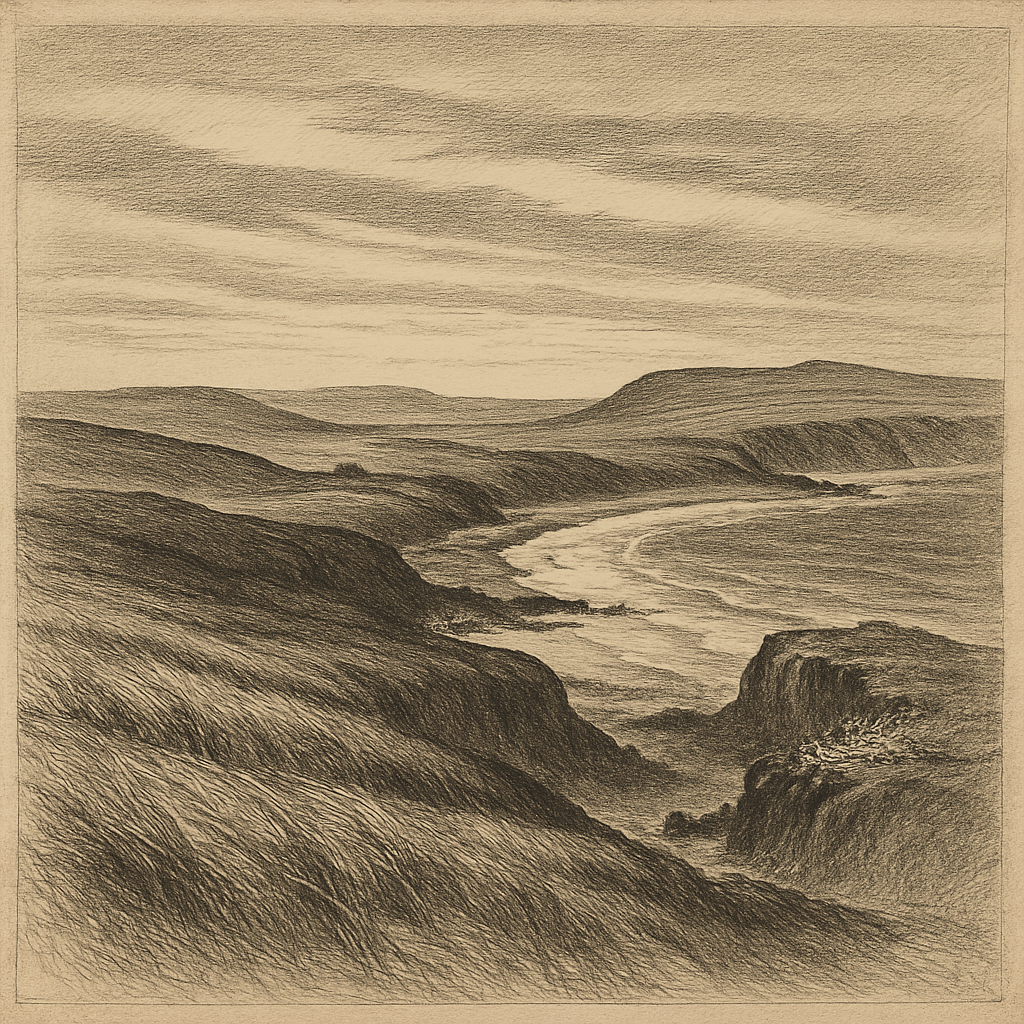
    Wind is the first real architect here. It combs the long grass into pale seams, presses low over dark hills, and reaches the shore in a confusion of surf, kelp, and cold light. In the northwestern Falkland Islands, off the coast of West Falkland, Saunders Island feels both inhabited and withheld: a place with sheep…

    Read more

  • San Felix Island mediates geopolitical claims, wildlife and remote livelihoods

    San Felix Island mediates geopolitical claims, wildlife and remote livelihoods

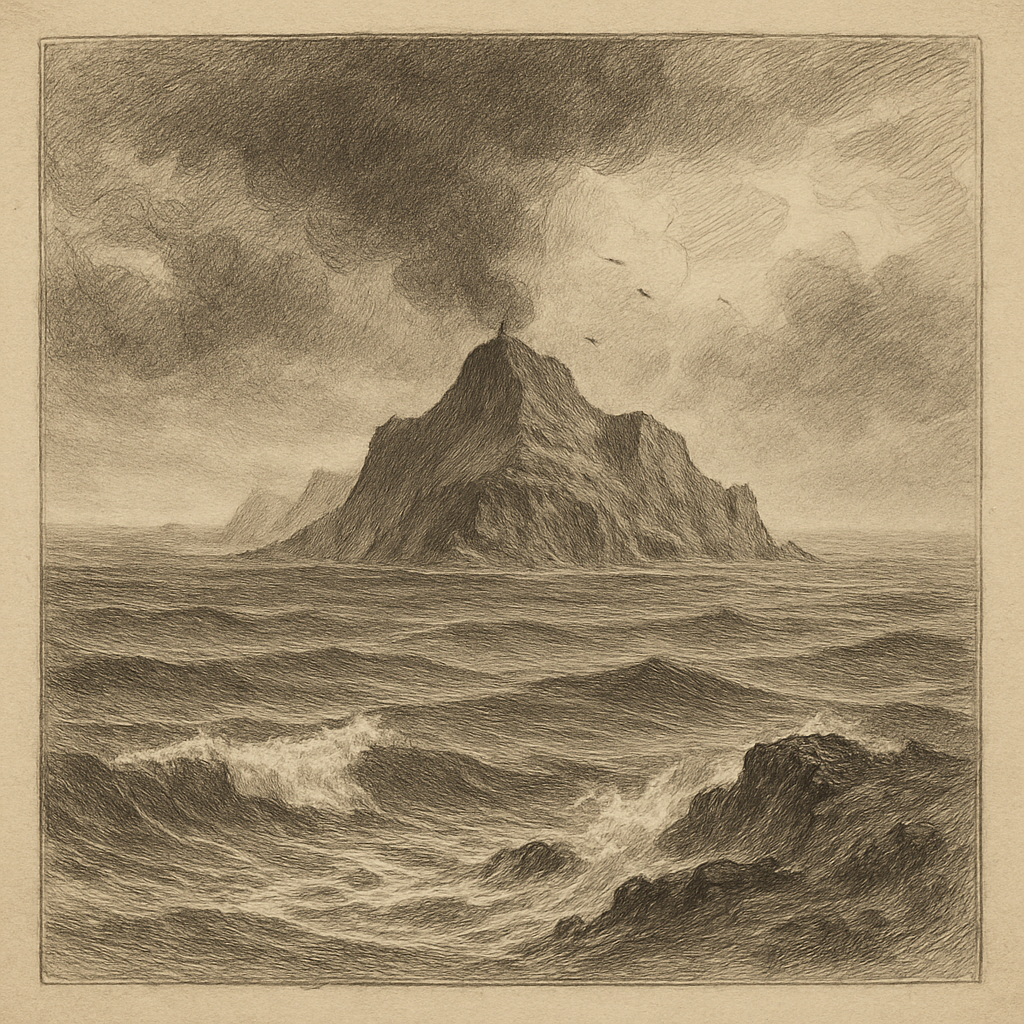
    Far out in the southeastern Pacific More than any story told about it, distance defines San Felix Island. It lies far off the coast of Chile, in the Desventuradas Islands, a small and exposed outpost of volcanic land in an immense field of ocean. The nearest continental shore is not near in any ordinary sense.…

    Read more

  • Beacon ruins and migrating seals make Rudolf Island a paradox

    Beacon ruins and migrating seals make Rudolf Island a paradox

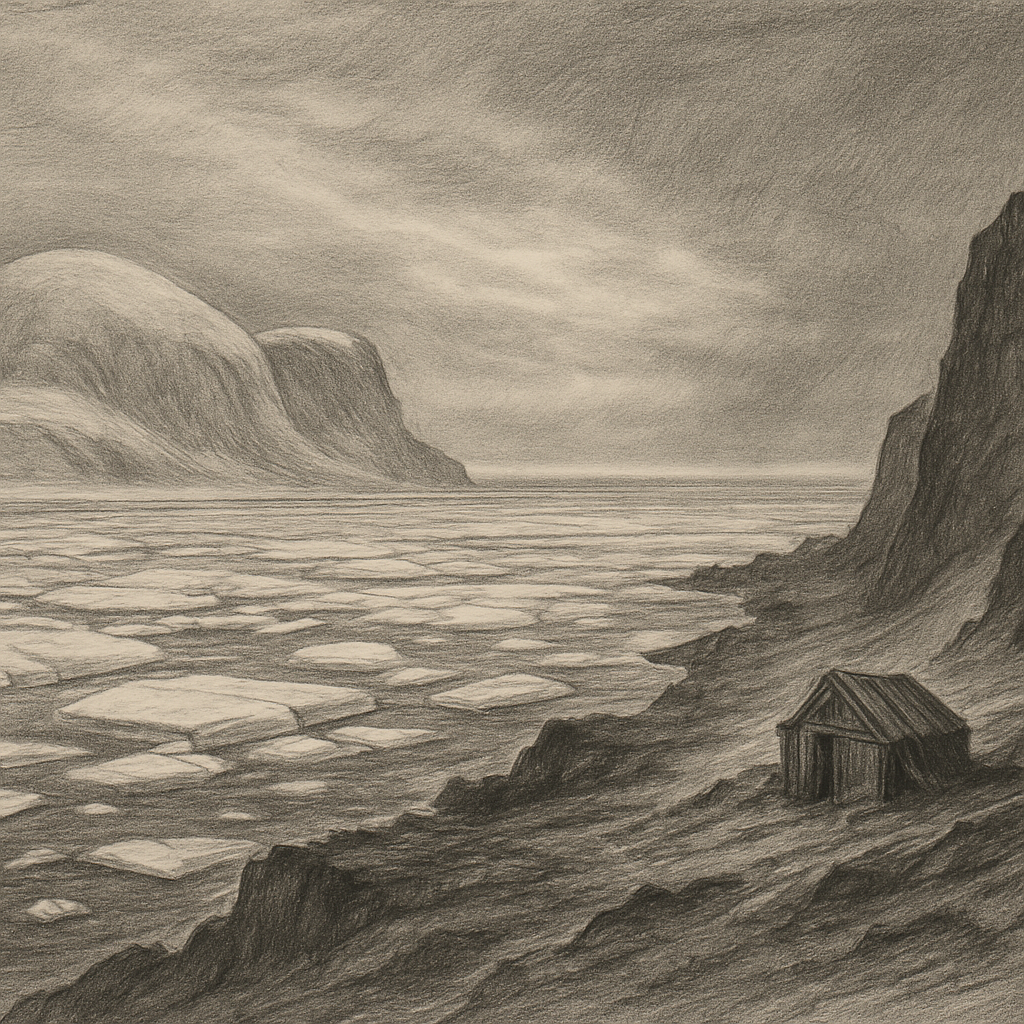
    Beyond the last practical map Few places on Earth seem arranged so completely for absence. Rudolf Island lies at the extreme northern end of Franz Josef Land, deep in the Russian High Arctic, with Cape Fligely on its shore marking one of the northernmost pieces of land in the Eastern Hemisphere. The island is small…

    Read more


Posted

in

by

Comments

One response to “Settlement history of Heard Island”

  1. […] its remote location, HIMI has a rich history of human activity. The islands were first discovered in the early 19th century and have been visited by sealers, […]