History
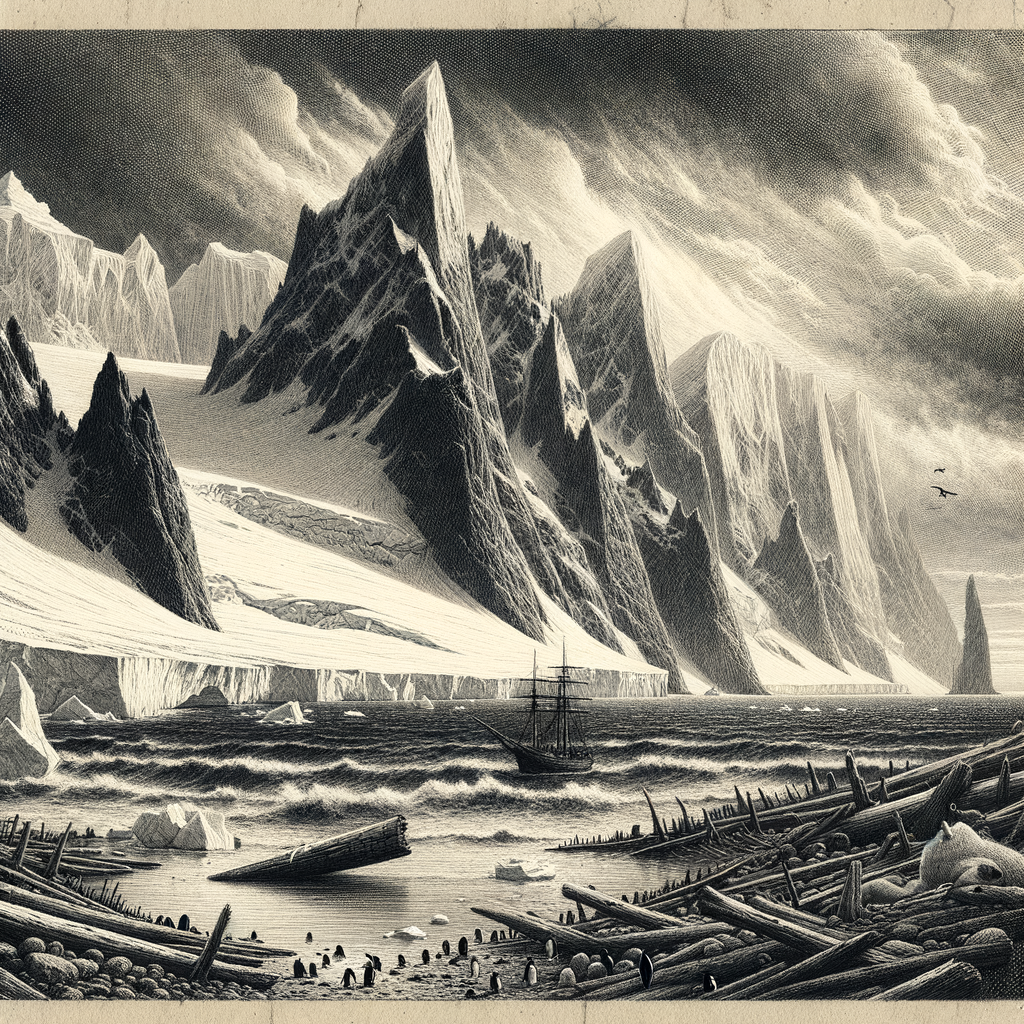
South Georgia and the South Sandwich Islands are a British Overseas Territory located in the southern Atlantic Ocean. The islands were first discovered by the British explorer Captain James Cook in 1775, but it wasn’t until the early 19th century that they were actively explored and claimed by the British government. The islands were primarily used as a whaling base during the 19th and early 20th centuries, with several countries, including the United Kingdom, Norway, and Chile, operating stations on the islands.
In the early 20th century, the British government established a permanent presence on the islands, and in 1908, it declared South Georgia and the South Sandwich Islands a British colony. During World War II, the islands were occupied by the Argentine military, but they were retaken by British forces in 1982. Today, the islands are home to a small number of researchers and support staff, as well as a variety of wildlife, including penguins, seals, and albatrosses, much like the wildlife found on Heard Island further east in the Southern Ocean.
In recent years, the British government has made efforts to promote tourism to the islands and protect the unique environment, including the creation of a marine protected area around the islands. However, it is still a remote and challenging destination to visit, with only a few tour operators offering trips to the islands each year. Additionally, South Georgia and the South Sandwich Islands are also claimed by Argentina and Chile, and the sovereignty dispute between these countries and the UK is ongoing.
Inhabited places
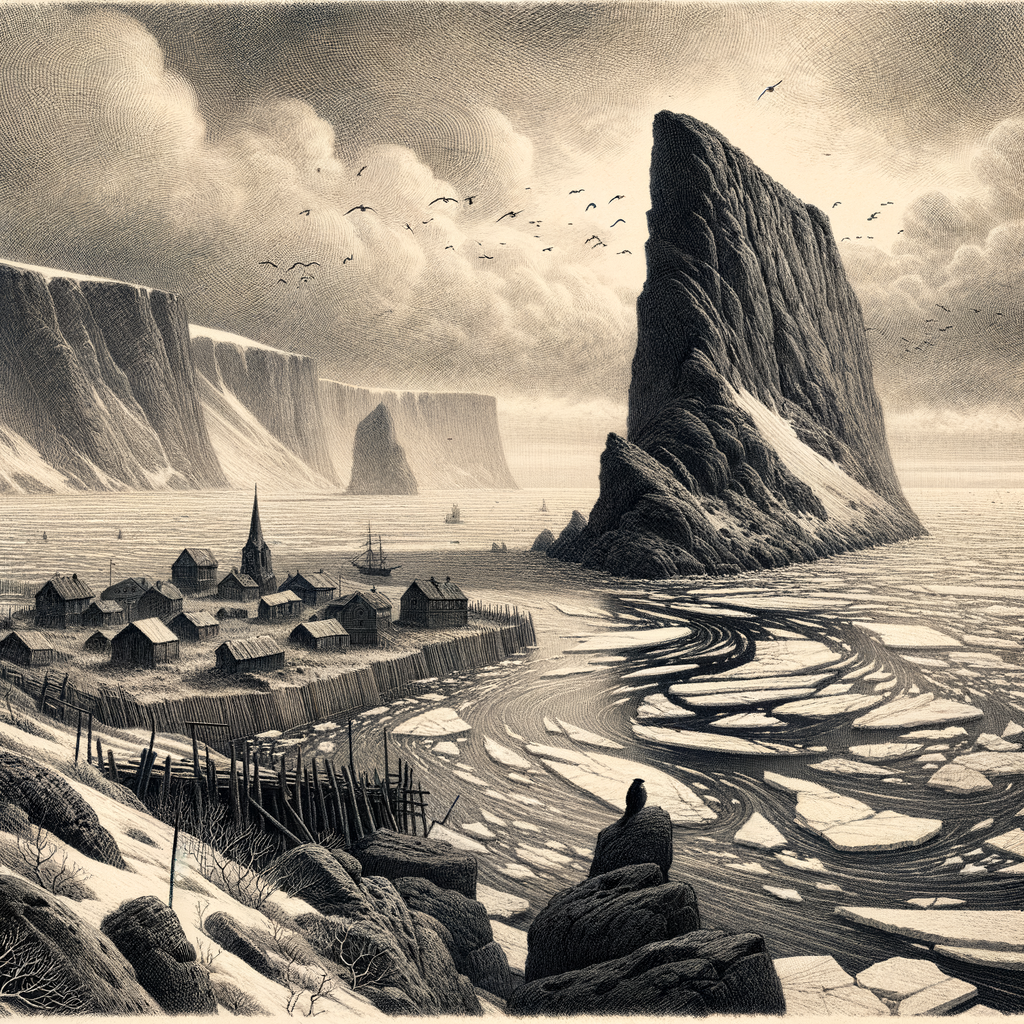
- Grytviken: a former whaling station, now a ghost town and tourist destination
- King Edward Point: a research station and administrative center for the British Antarctic Survey
- Leith Harbor: a former whaling station and current site for occasional research and tourist activities
- Stromness: a former whaling station, now a ghost town and historical site
- Husvik: a former whaling station, now a ghost town and historical site
- Prince Olav Harbor: a former whaling station and current site for occasional research and tourist activities
- Godthul: a former whaling station, now a ghost town and historical site
- Ocean Harbour: a former whaling station, now a ghost town and historical site
- Moraine Fjord: a former seal hunting station and current site for occasional research and tourist activities
- Cooper Bay: a former seal hunting station and current site for occasional research and tourist activities
Note: these are the most notable inhabited places on South Georgia and the South Sandwich Islands, but there could be some other places that were inhabited during the history but not as known.
Comments
2 responses to “South Georgia and the South Sandwich Islands”
[…] is a settlement located on the island of South Georgia, part of the British Overseas Territory of South Georgia and the South Sandwich Islands. The settlement was founded in 1904 as a whaling station by the Norwegian sea captain Carl Anton […]
[…] center located on the island of South Georgia, part of the British Overseas Territory of South Georgia and the South Sandwich Islands. The station was established in 1909 as a base for the British Antarctic Survey, and it has played […]