Tag: Scientific Research
-
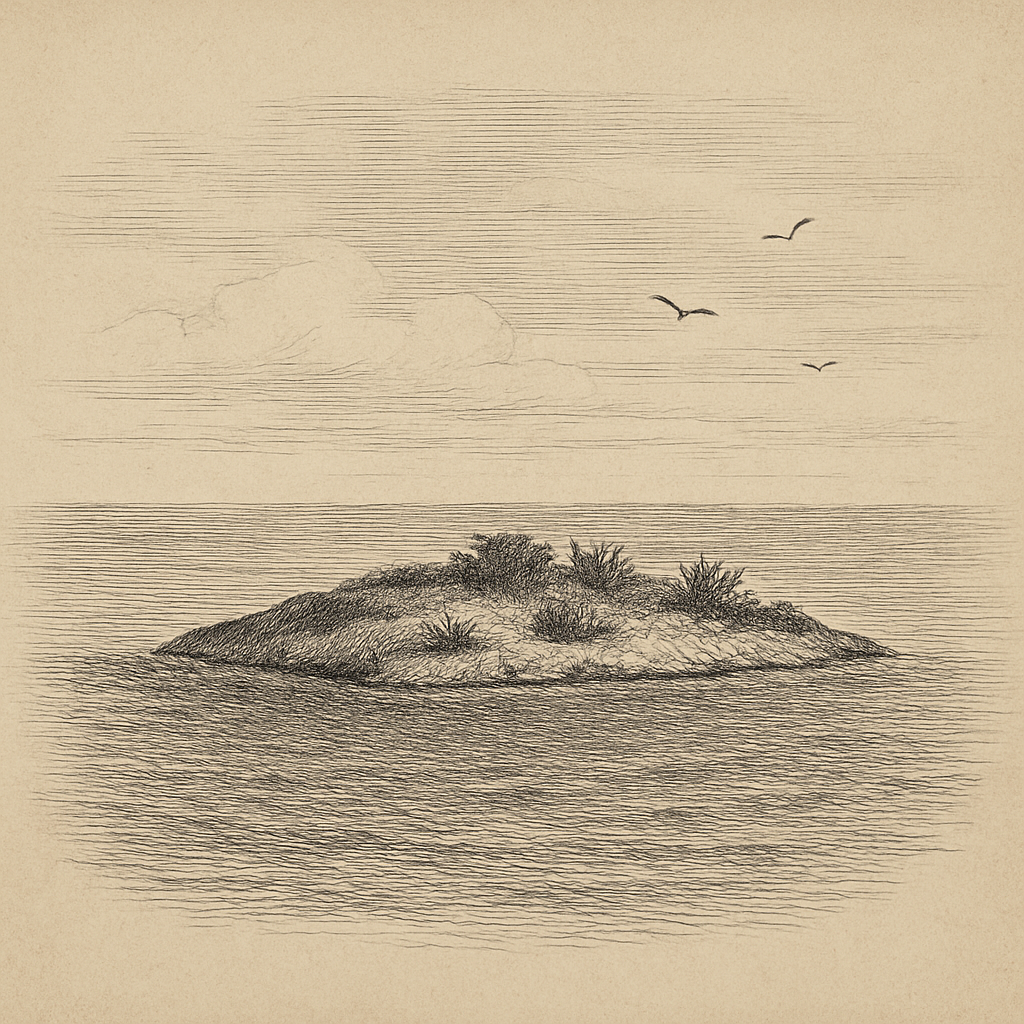
Howland Island
Howland Island: A Forgotten Speck in the Pacific Located in the central Pacific Ocean, Howland Island is a small, uninhabited coral island belonging to the United States. It is part of the United States Minor Outlying Islands and is known not only for its ecological isolation but also for its brief yet pivotal role in…
-

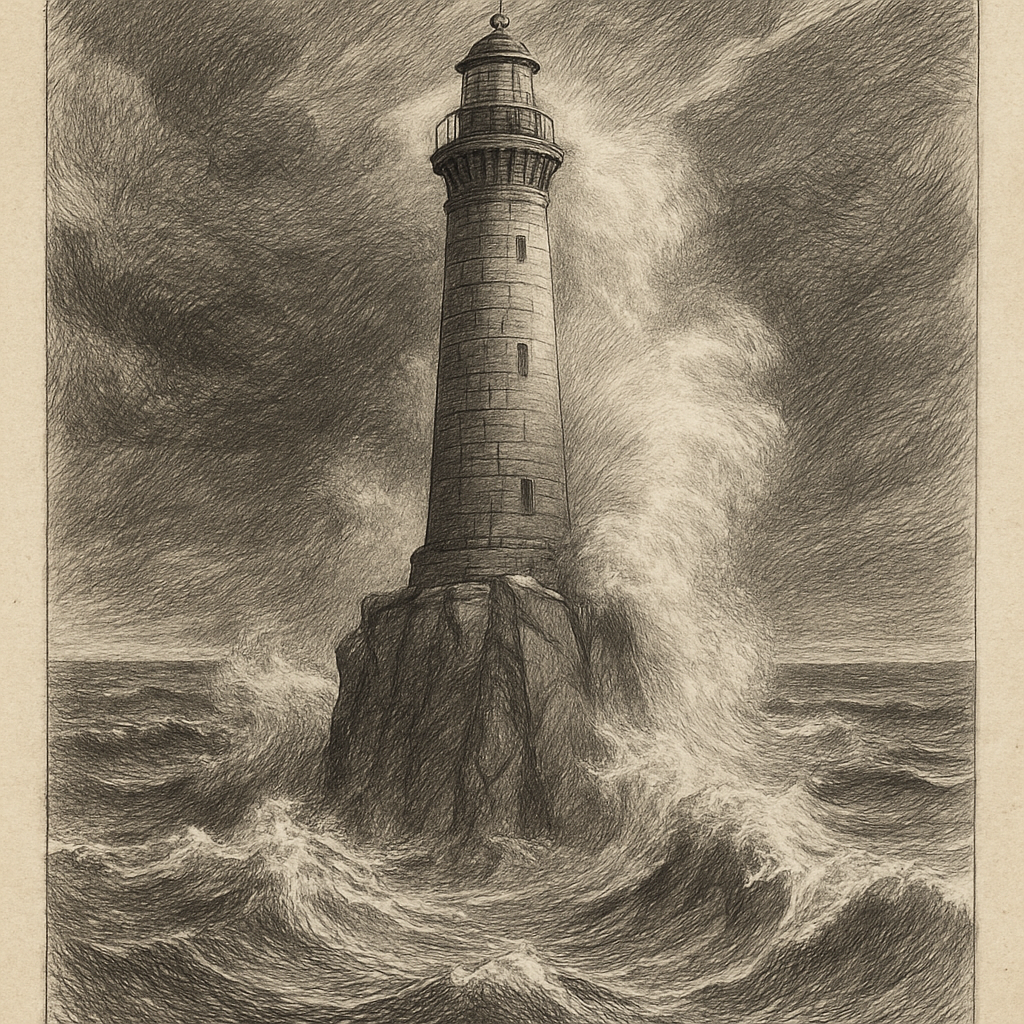
Bishop Rock
Introduction to Bishop Rock Bishop Rock is a small islet off the southwestern tip of England, located in the Atlantic Ocean, roughly 50 kilometers west of the coast of Cornwall. Known as the world’s smallest island with a building on it, Bishop Rock has become a source of fascination, both due to its geographical isolation…
-
Deception Island
Deception Island: A Volcano Shrouded in Mystery Introduction Deception Island, part of the South Shetland Islands archipelago, is one of the most intriguing and enigmatic locations in Antarctica. Its unique geographical features, volcanic history, and remote location have made it a subject of interest to scientists, explorers, and storytellers alike. Surrounded by icy waters and…
-
Ascension Island
Ascension Island: A Remote Sentinel in the South Atlantic Introduction Ascension Island, an isolated volcanic landform in the heart of the South Atlantic Ocean, remains a place of intrigue and ecological importance. This remote British Overseas Territory is best known for its strategic location, unique natural history, and almost otherworldly landscape. Though small in size…
-
Macquarie Island
Macquarie Island is a unique natural treasure located in the Southern Pacific Ocean. The island is renowned for its remoteness, rich wildlife, and exceptional geological significance. It is the only place in the world where rocks from the seabed are thrust above the ocean’s surface. Home to thousands of seals, penguins, and other animals, Macquarie…
-
Settlement history of Heard Island
The island has a rich history of human activity, dating back to the early 19th century. The first known sighting of the island was in 1833 by a British naval captain named Peter Kemp. He named the island after his ship, the HMS Heard. In the following decades, the island was visited by sealers, whalers,…
-
Heard Island and McDonald Islands
Heard Island and McDonald Islands (HIMI) are a group of volcanic islands located in the Southern Ocean, about 4,100 kilometers (2,500 miles) southwest of Perth, Western Australia. The islands are Australian territory and are among the most remote and uninhabited places on Earth. The main island, Heard Island, is a large stratovolcano that last erupted…
-
Crozet Islands
About The Crozet Islands are a group of five islands located in the southern Indian Ocean, part of the French Southern and Antarctic Lands, an Overseas territory of France. The islands were first discovered by the French navigator Captain Bouvet de Lozier in 1772, the same explorer who gave his name to Bouvet Island in…
-
South Orkney Islands
About The South Orkney Islands are a group of islands located in the Southern Ocean, part of the British Antarctic Territory. The islands were first discovered by the British sealer James Weddell in 1823, who named them after the Orkney Islands in Scotland. The islands were later visited by American and British sealers and whalers,…
-
King Edward Point
About King Edward Point is a research station and administrative center located on the island of South Georgia, part of the British Overseas Territory of South Georgia and the South Sandwich Islands. The station was established in 1909 as a base for the British Antarctic Survey, and it has played a key role in supporting…