History of the Island
Tristan da Cunha was first sighted in 1506 by Portuguese explorer Tristão da Cunha, after whom the island is named. Due to its harsh terrain and lack of a natural harbor, the island remained uninhabited for centuries. In 1810, American sailor Jonathan Lambert declared himself ruler of the island but died shortly after. The British officially annexed Tristan da Cunha in 1816 to prevent its use by the French as a base to rescue Napoleon, who was exiled on Saint Helena. Over time, a small population developed, consisting of British settlers, shipwreck survivors, and whalers.
Current Settlement and Usage
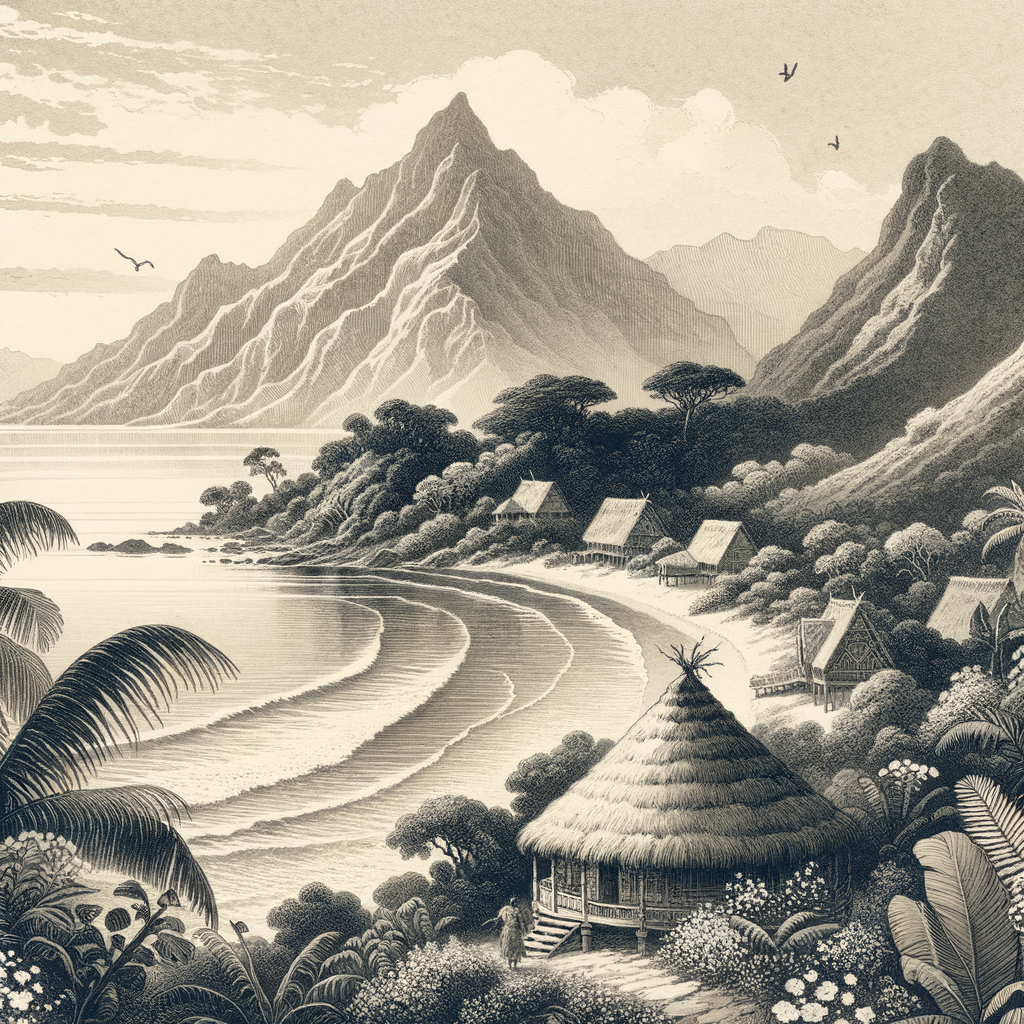
The island’s only settlement, Edinburgh of the Seven Seas, is home to approximately 250 people, who primarily descend from a few original families. Life on Tristan da Cunha revolves around subsistence farming, fishing, and the export of lobster, known as Tristan Rock Lobster. Due to its extreme isolation, there is no airstrip, and the only connection to the outside world is by boat, with supply ships arriving just a few times a year. Despite its remoteness, the island has essential services, including a school, a small hospital, and a local government that oversees its self-sustaining economy.
Geography of the Island
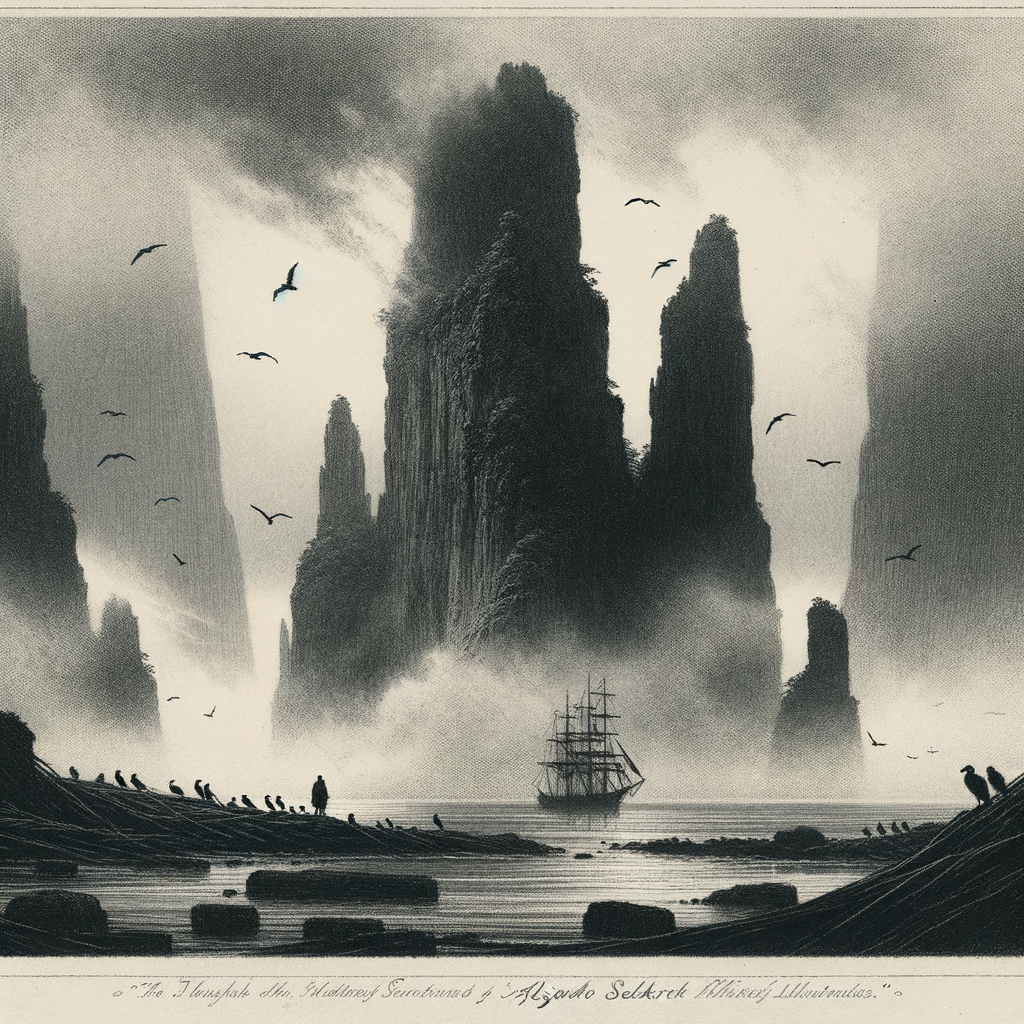
Tristan da Cunha is a volcanic island covering approximately 98 square kilometers (38 square miles). It is dominated by Queen Mary’s Peak, a stratovolcano rising 2,062 meters (6,765 feet) above sea level. The island has a temperate oceanic climate, with mild temperatures, frequent rain, and strong winds. The coastline is mostly steep and rocky, making access difficult. Several uninhabited islands, including Nightingale Island and Inaccessible Island, are part of the Tristan da Cunha group, further adding to its ecological and geographical significance.
Flora and Fauna
Tristan da Cunha is home to unique plant species, including native ferns and the Tristan da Cunha tree, which is found nowhere else. The island’s isolation has allowed for a rich bird population, with endemic species such as the Tristan thrush and the critically endangered Tristan albatross. The surrounding waters support abundant marine life, including seals, penguins, and a variety of fish species. Due to its fragile ecosystem, strict conservation efforts are in place to protect the island’s biodiversity from invasive species and environmental threats.
Tristan da Cunha remains one of the last truly remote inhabited places on Earth, offering a unique insight into self-sufficient island life, rich wildlife, and breathtaking natural landscapes.