Introduction to Tristanite Western Island
Tristanite Western Island is one of the most remote and mysterious landmasses on Earth, lying deep in the South Atlantic Ocean. It forms part of the Tristan da Cunha archipelago, the most isolated inhabited group of islands in the world. Its distance from the nearest continents and its rugged volcanic landscape have made Tristanite Western Island a subject of fascination among geographers, ecologists, and adventurers alike.
Geographic Location and Geology
Tristanite Western Island is situated approximately 2,400 kilometers west of Cape Town, South Africa, and about 3,360 kilometers east of South America. It is one of the smaller islands in the Tristan da Cunha group, separated from the main island of Tristan by several kilometers of often treacherous sea. The island lies near the Mid-Atlantic Ridge, which contributes to its volcanic origin.
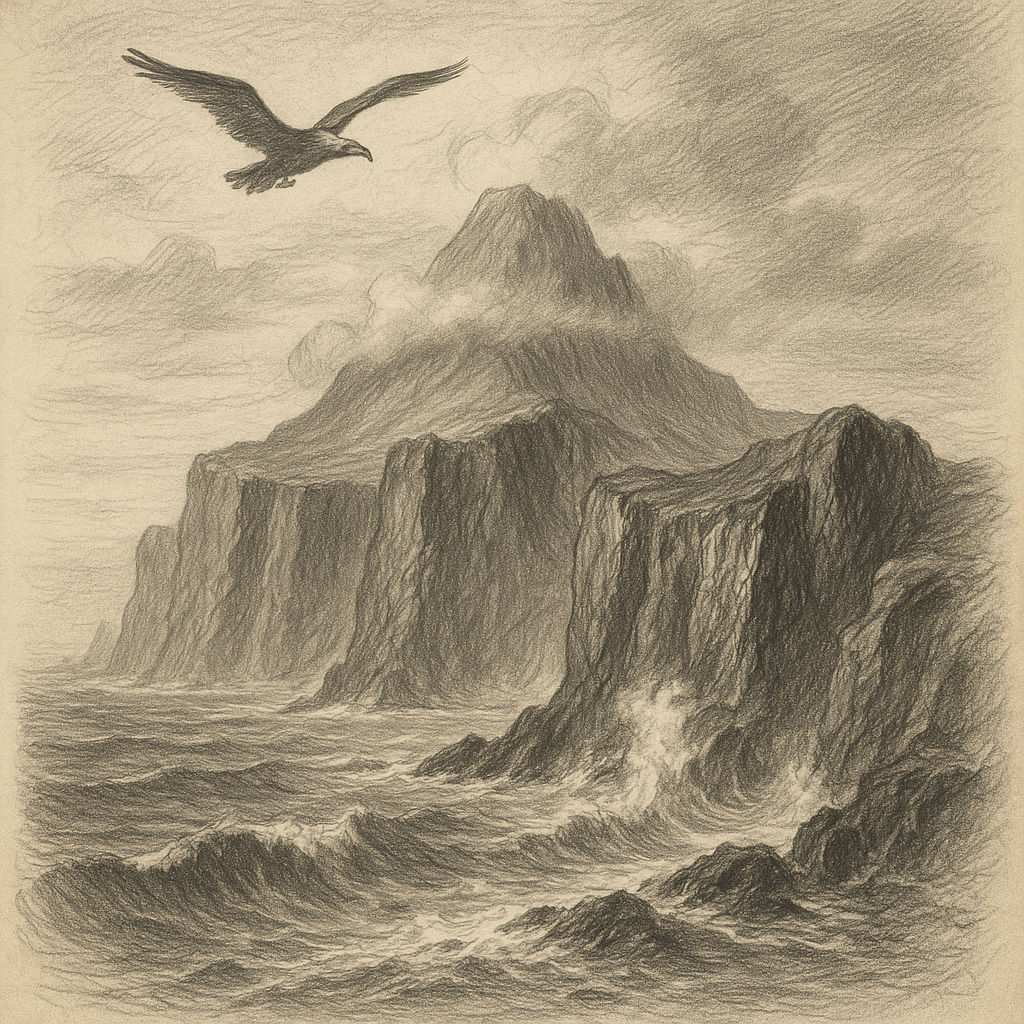
Like its neighboring islands, Tristanite Western Island emerged millions of years ago due to volcanic activity resulting from tectonic activity at this oceanic ridge. Its terrain is dominated by cliffs, basaltic rock formations, and steep slopes, with dramatic coastal features formed by centuries of wave erosion and lava flows. The island’s central ridge rises to an elevation of around 450 meters, offering a dramatic vantage point over the surrounding ocean.
Climate and Ecosystem
Tristanite Western Island experiences a cool oceanic climate characterized by strong winds, consistent cloud cover, and moderate rainfall throughout the year—typically around 1,800 mm annually.
Because of its remoteness and lack of human disturbance, the island serves as a vital refuge for seabirds, marine mammals, and unique plant species. The flora includes various mosses, liverworts, and ferns that thrive in the moist soil and foggy conditions. The island is particularly important as a breeding ground for several seabird species, including the endemic Tristan albatross and the sooty shearwater. The surrounding waters are pristine and home to dolphins, fur seals, and a rich variety of fish.
Human Contact and Visitation
To date, Tristanite Western Island remains uninhabited and rarely visited due to its inaccessibility, rough surrounding seas, and lack of landing facilities. Occasional expeditions by scientific teams have occurred, usually as part of broader ecological or geological studies of the Tristan da Cunha archipelago. These visits require special permits issued by the Tristan da Cunha Government.
The local administration places strong emphasis on conservation and protection of the archipelago’s unique ecosystems. Tristanite Western Island, in particular, is protected under environmental policy standards that restrict any human activity that could threaten its delicate balance.
Interesting Facts
Tristanite Western Island is part of a marine protected area established in 2020, covering nearly 700,000 square kilometers of ocean and island habitat.
Due to its endemic bird populations and undisturbed ecosystem, the island is recognized by BirdLife International as an Important Bird Area (IBA).
Despite its modest size, the island plays a crucial role in global conservation efforts aimed at preserving seabird nesting habitats in the South Atlantic.
The island’s remoteness makes it an ideal natural laboratory for studying island biogeography and the effects of isolated evolutionary development.
Legends and Local Lore
As with many remote islands, Tristanite Western Island has inspired a series of legends passed down by the sparse population of Tristan da Cunha. One such legend speaks of the “Wailing Tide” — a ghostly sound said to emanate from the western cliffs of the island during solstice nights. According to oral tradition, these eerie tones are the voices of shipwrecked sailors lost in the 1800s, whose vessel was torn apart by an unknown reef just offshore.
Another tale tells of the “Isle’s Guardian,” a gigantic seabird with silver feathers that is said to shield the island from outsiders. Locals believe that the bird appears only during storms, circling above the island in a protective dance meant to ward off danger. Whether grounded in fact or forged in myth, such stories enhance the air of mystery surrounding Tristanite Western Island.
Conservation and the Future
As climate change and oceanic pollution increasingly threaten global ecosystems, efforts to preserve isolated environments, such as those found on Tristanite Western Island, have grown in urgency. Conservationists have prioritized the island as a critical site for maintaining biodiversity and monitoring the effects of global environmental shifts.
Currently, only a handful of research teams are permitted to study the island annually, under strict guidelines to avoid disrupting wildlife. Long-term proposals include further expanding seabird monitoring programs, eradicating invasive species should they ever appear, and maintaining the island as a model of undisturbed ecological balance.
Conclusion
Tristanite Western Island remains one of the last frontiers of untamed wilderness in the modern world. Its inaccessibility is both a barrier and a blessing, preserving its natural state while limiting our understanding. As interest in preserving Earth’s remote ecosystems grows, so does the significance of Tristanite Western Island—not just as an isolated landform, but as a symbol of nature untouched and thriving in solitude.