Voavah Island – A Private Paradise in the Maldives
Hidden in the azure waters of the Indian Ocean lies Voavah Island, a secluded tropical paradise that represents the pinnacle of luxury and isolation. Part of the Baa Atoll UNESCO Biosphere Reserve in the Maldives, Voavah Island is a unique, privately-owned island offering unrivaled exclusivity, natural beauty, and ecological significance. Though small in size, just seven bedrooms and a private yacht define its man-made presence; the rest is untamed beauty surrounded by crystalline waters and vibrant coral reefs.
Location and Geography
Voavah Island is part of the Baa Atoll, one of the 26 natural atolls that make up the Maldives, situated in the Indian Ocean about 120 kilometers northwest of Malé, the capital city. Nestled within the Baa Atoll’s protected biosphere area, the island is ringed by white sandy beaches, turquoise lagoons, and lush tropical vegetation. The geographical positioning of Voavah places it squarely within one of the most biologically diverse environments on Earth, making it a haven for marine enthusiasts and conservationists alike.
Owned and operated by the Four Seasons Hotels and Resorts, Voavah is the world’s first exclusive-use UNESCO hideaway, setting it apart from any other private island property. Spanning five acres, it includes a Beach House, a dive center, a spa, and access to a 62-foot yacht—The Voavah Summer—all dedicated solely to the guests of the island.
Biodiversity and the Marine Environment
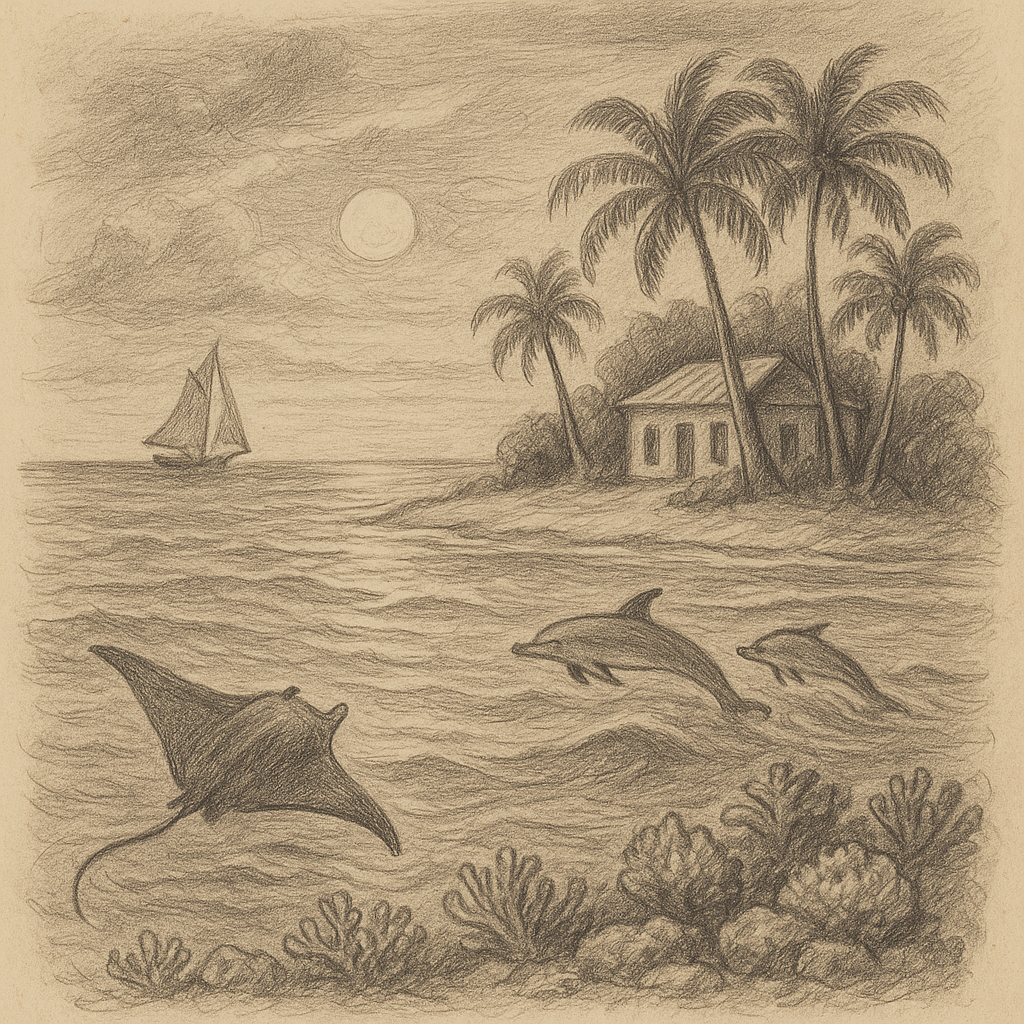
Being part of the UNESCO-protected Baa Atoll Biosphere Reserve, Voavah Island inhabits one of the richest marine ecosystems on the planet. The surrounding waters are home to over 250 species of coral and more than 1,200 species of marine life, including reef sharks, manta rays, and sea turtles. The nearby Hanifaru Bay is among the world’s few places where large numbers of manta rays congregate for feeding, sometimes joined by whale sharks.
The island’s commitment to sustainability and conservation is deeply embedded in its operations. Guided excursions include opportunities for responsible diving and snorkeling, offering visitors a chance to contribute to and learn about marine conservation efforts. Ecological stewardship is not just a necessity here—it’s a philosophy deeply rooted in every aspect of Voavah’s ethos.
Living in Seclusion
Voavah is not just an island; it’s a fully customizable experience tailored to a single group of guests at a time. The Beach House offers seven individually designed bedrooms, accommodating up to 22 people in total privacy. There’s no other place to stay—your group will be the only guests. This level of exclusivity makes Voavah ideal for family getaways, corporate retreats, or luxurious escapes from the world.
The architecture emphasizes open spaces and seamless integration with the environment. Wooden decks lead to an oceanfront pool and shaded terraces. The interiors blend Maldivian tradition with modern luxury: high ceilings, natural textures, and sweeping views of the ocean wrap guests in comfort and calm sophistication.
The island functions autonomously, with private chefs, wellness practitioners, marine biologists, and a fully equipped dive center. There’s even an overwater spa where treatments are accompanied by the soothing sounds of the ocean—wellness with a view unlike any other.
Interesting Facts about Voavah Island
Voavah Island holds the prestigious distinction of being the first private island in the world to be situated within a UNESCO Biosphere Reserve for exclusive-use guests. This remarkable integration of privacy and ecological importance is a rare gem in the world of luxury travel.
The private yacht, Voavah Summer, isn’t just a mode of transport—it’s an extension of the experience. With the ability to explore neighboring reef systems and untouched beaches, the yacht allows guests to discover otherwise inaccessible parts of the Maldives. It’s not uncommon for dolphins to swim alongside the bow, adding a spontaneous touch of magic to a day at sea.
In addition, Voavah Island has hosted high-profile personalities seeking tranquility away from the public eye, although confidentiality is strictly maintained out of respect for guest privacy.
Legends and Local Lore
While the Maldives may be renowned for its luxury resorts, the islands, including Voavah, are steeped in age-old legends passed down through generations by Maldivian seafarers and island communities. According to local folklore, the Baa Atoll—home to Voavah—was once protected by mystical sea spirits known as “Fari.” These spirits were guardians of the coral forests and ocean creatures and were said to bless certain parts of the sea with extraordinary vitality and color.
Voavah, as the story goes, was once believed to be an enchanted islet where a spirit of the ocean dwelled, only visible during full moons to those of pure heart. Locals avoided the island for years, believing it to be sacred and semi-invisible due to the charms cast by the spirit. Traditional fishermen sailing close to the island avoided anchoring nearby out of respect—and perhaps a little fear.
Today, while those legends are receding into myth, they live on in whispered tales shared over reefside bonfires and in the quiet reverence with which Maldivians view their oceanic heritage.
Visiting Voavah Island
Unlike other Maldivian islands that can be accessed through standard bookings, Voavah Island can only be reserved in its entirety. Arriving on the island entails a 40-minute seaplane ride from Malé International Airport, delivering guests directly to this private retreat. Due to its exclusivity and ecological relevance, Voavah is protected under both national regulations and UNESCO governance, ensuring all activities align with conservation principles.
Visits to the island require coordination with Four Seasons’ staff, who manage every aspect of the guest experience, from customs clearance to personalized itinerary planning. The island can host celebrations, corporate conferences, marine-focused adventures, and more—all with unparalleled privacy.
Conclusion
Voavah Island is more than just an exclusive playground; it is a pioneering example of how luxury can harmoniously coexist with ecological preservation. Encircled by waters harboring staggering biodiversity and shrouded in legends of ocean spirits, Voavah delivers serenity, enchantment, and a rare connection to untouched nature. Whether you come for the marine life, the solitude, or the stories hidden among the waves, Voavah Island stands as a secluded sanctuary where the boundaries of luxury and responsibility blur into a perfect horizon.