Yap Island – A Remote Pacific Gem
Yap Island, part of the Caroline Islands in the western Pacific Ocean, is a unique and culturally rich destination that remains largely unaffected by the fast pace of modern development. Known locally as “Wa’ab”, Yap is the main island of Yap State within the Federated States of Micronesia (FSM). It boasts a blend of striking natural beauty, deep-rooted traditions, and intriguing legends that make it stand apart among other Pacific islands.
Location and Geography
Yap Island is located approximately 1,450 kilometers east of the Philippines and about 2,200 kilometers southwest of Hawaii. It is part of a cluster of four main islands—Yap proper—connected by a network of bridges and surrounded by a protective coral reef. The island cluster covers an area of about 100 km² and is characterized by gently rolling hills, dense forests, and mangrove-fringed coastlines.
Unlike some other island chains in Micronesia, Yap is of continental origin rather than volcanic. This makes its geological composition unique compared to its Pacific neighbors. Its surrounding waters are teeming with vibrant coral reefs, lagoons, and rich marine biodiversity, making it a popular destination among divers seeking pristine underwater environments.
A Living Culture Rooted in Tradition
Yap is perhaps best known for its exceptionally well-preserved traditional culture. Village life remains central to the island’s identity, with ancient customs and social hierarchies still in practice. Traditional dress, navigation techniques, storytelling, and thatch architecture are proudly maintained by the island’s communities.
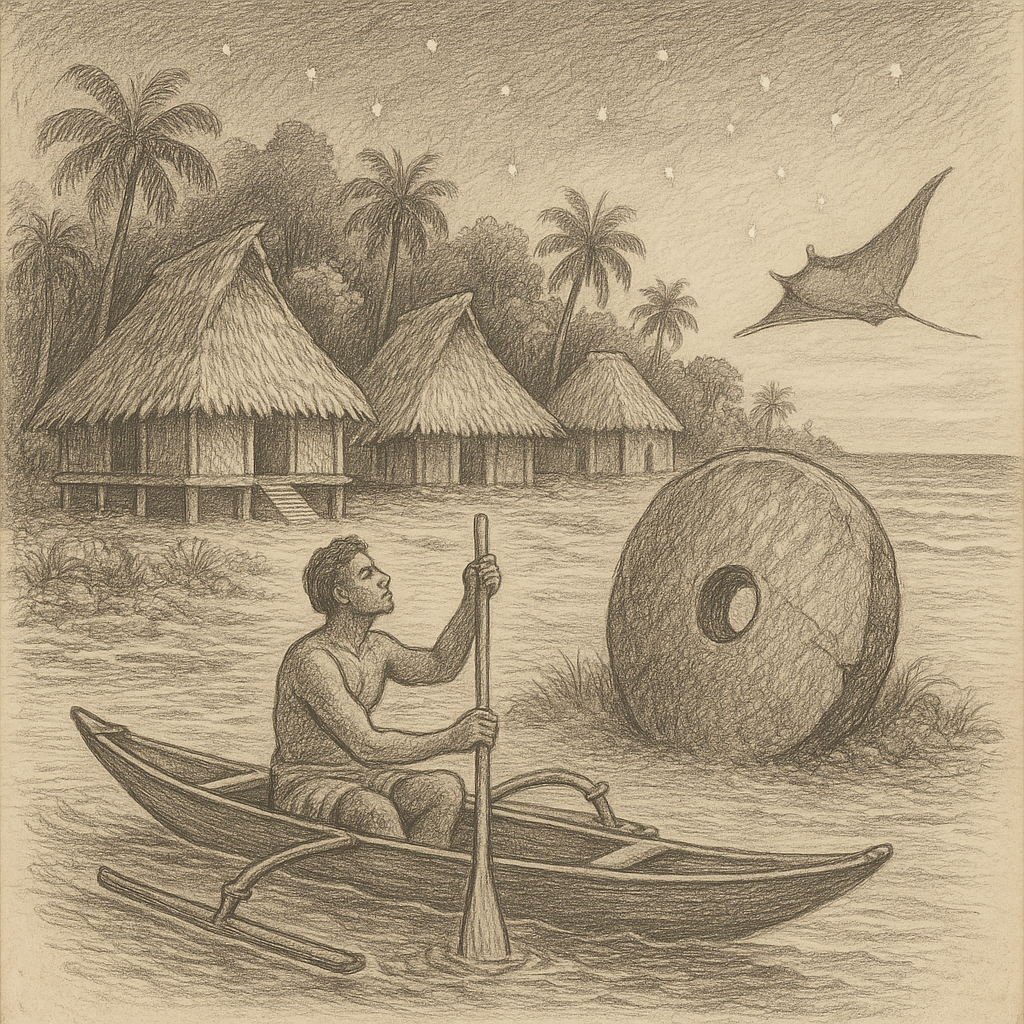
One of the most iconic aspects of Yapese culture is the use of “stone money” or Rai stones—massive circular stone discs with a central hole. These stones, carved from limestone quarry sites located in the neighboring Palau islands, were used as a form of ceremonial currency. Ownership and oral histories about the stones are more important than the physical location of the stones themselves. These relics continue to play crucial roles in important social transactions like marriages and land transfers.
Climate and Biodiversity
Yap experiences a tropical climate with high temperatures and humidity throughout the year. Rainfall is abundant, peaking from May to November during the monsoon season. This climate supports a rich variety of ecosystems, including tropical forests, mangroves, and coastal wetlands.
The island is home to a broad array of flora and fauna, including unique bird species such as the Yap monarch and the Yap cicadabird, both of which are endemic. Conservation efforts are ongoing to protect the island’s delicate ecosystems, with particular emphasis on maintaining the health of the coral reefs that support local fisheries and tourism.
Interesting Facts About Yap
Yap offers a number of unique features that surprise many of its visitors. For example:
– Yapese men continue to practice traditional navigation without modern instruments, using stars, ocean swells, and patterns of wildlife to reach their destinations across vast ocean distances.
– The island is one of the few places in the world where manta ray sightings are guaranteed year-round. Yap’s surrounding waters are part of a protected marine sanctuary hosting majestic manta rays, often with wingspans of over four meters.
– The Yapese language exists in multiple dialects, and locals often speak three or more languages, including English and other Micronesian tongues.
– Homes and community buildings are often constructed using traditional methods without the use of nails, relying instead on natural bindings and interlocking designs.
– Despite its remote location, Yap has an active amateur radio presence and is considered a sought-after DXCC entity among ham radio operators.
Legends and Mythology of Yap
Yap’s rich oral traditions are filled with myths and legends that have been passed down for generations. One compelling legend tells the story of how the stone money of Yap was first brought to the island. A group of Yapese sailors is said to have journeyed over a thousand kilometers to the island of Palau, where they harvested the massive stone discs. On the way back, some of the stones were lost at sea, but their value remained in the island community because everyone knew the effort that had gone into acquiring them.
Another local tale speaks of the sea god Gotop, who lived in the reefs surrounding Yap and protected fishermen from storms. According to the legend, when Gotop was angered by disrespect, he would churn the sea into powerful swells, forcing fishermen to atone through offerings and traditional songs.
Stories like these highlight the Yapese people’s profound connection to the land and sea, and their respect for the spiritual world that permeates every aspect of island life.
Modern Life and Access
Despite its isolation, Yap Island maintains regular air connections, primarily through flights from Guam and other FSM states. Tourism is carefully controlled to preserve the integrity of the local culture and environment. Visitors are encouraged to engage respectfully with community traditions and to explore the island’s natural beauty through activities like guided village tours, cultural demonstrations, hiking, and diving expeditions.
There are no fast-food chains, shopping malls, or large-scale resorts on Yap. Instead, accommodations tend to be small, family-run inns that provide an intimate look into island life. Internet access is limited, making Yap a suitable destination for those looking to disconnect from the modern digital world and experience something truly authentic.
Conclusion
Yap Island remains one of the Pacific’s best-kept secrets—a place where ancient traditions meet lush landscapes and vibrant marine habitats. Its cultural uniqueness, natural biodiversity, and legendary heritage offer travelers an incomparable glimpse into a world that still values its origins. Whether you’re drawn by an interest in anthropology, a passion for scuba diving, or the allure of secluded exploration, Yap welcomes those ready to embrace its timeless rhythm.