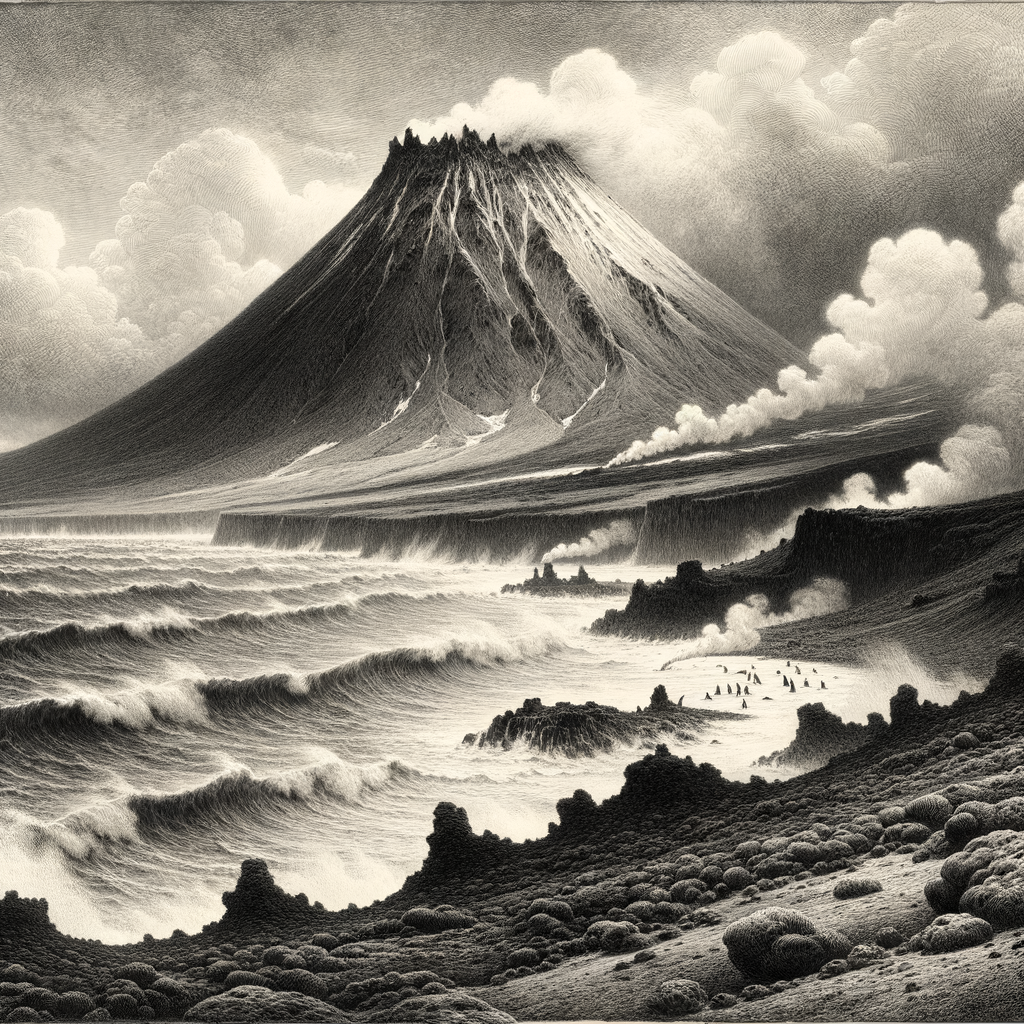
Agrihan Island: A Remote Volcanic Gem in the Pacific
Agrihan Island, sometimes spelled Agrigan, is one of the most remote and fascinating of the Northern Mariana Islands, a U.S. Commonwealth in the western Pacific Ocean. Known for its towering volcano and natural isolation, Agrihan captivates with its geological significance, untamed beauty, and rich blend of history and legend.
Geographic Location and Topography
Agrihan is located in the northernmost part of the Mariana archipelago, roughly 360 kilometers (220 miles) north of Saipan, the principal island of the Northern Marianas. It belongs to the northern portion of the island chain, which is characterized by volcanic terrain and limited human settlement. As part of the Mariana Volcanic Arc, Agrihan lies in a tectonically active zone formed by the subduction of the Pacific Plate beneath the Philippine Sea Plate.
Covering an area of approximately 44.9 square kilometers (17.3 square miles), Agrihan is dominated by a massive stratovolcano, Mount Agrihan. This volcano is not only the island’s most prominent feature—it is also the highest point in all of the Mariana Islands, with a peak elevation reaching 965 meters (3,166 feet) above sea level. The caldera at the summit spans roughly a kilometer in diameter, evidence of ancient explosive eruptions. The steep slopes of the volcano descend directly into the surrounding Pacific Ocean, making access to the island limited and challenging.
Geological Significance
Agrihan is part of the geologically significant Mariana Arc, which includes both islands and submarine volcanoes. The arc’s formation results from the intense tectonic activity in the region, with frequent earthquakes and hydrothermal activity occurring along the arc. Agrihan’s central volcano last erupted in the early 20th century, with its most recent confirmed eruption in 1917. Since then, steam emissions and minor seismic activities have continued to reveal that the volcano remains active.
The soil of Agrihan, composed predominantly of volcanic ash and basaltic rock, has proven fertile enough to support limited vegetation. The island’s rugged terrain and periodic volcanic activity, however, prevent continuous habitation and large-scale agriculture.
Climate and Ecosystem
Agrihan experiences a tropical rainforest climate, with high humidity, frequent rain showers, and average annual temperatures around 27°C (81°F). The combination of isolation, climatic conditions, and volcanic soil has led to the development of a dense, lush tropical forest covering much of the island’s slopes. Coconut palms and pandanus trees thrive near the coast, while higher elevations support ferns, grasses, and melastomes.
Although biodiversity details are limited due to minimal research, the island is believed to play host to various bird species, including the Micronesian megapode and the Mariana swiftlet. Due to its isolation, Agrihan may harbor other endemic flora and fauna, yet comprehensive biological surveys remain scant.
Human Presence and History
Historically, Agrihan was inhabited by the indigenous Chamorro people, who settled on various islands throughout the Marianas. However, after centuries of European colonization—first by Spain, later by Germany, Japan, and the United States—Agrihan’s population fluctuated significantly.
In the 20th century, small groups attempted to resettle the island. However, frequent volcanic activity and logistical challenges of living on such a remote and rugged island made permanent habitation difficult. Agrihan’s last residents evacuated in the 1990s due to a potential volcanic eruption. Though sporadic expeditions and temporary visits have occurred since then, the island remains officially uninhabited.
Access and Conservation
Due to its extreme remoteness, the island is only accessible by boat, typically during calm sea conditions. No formal harbor exists, and high cliffs and strong surf often make landing difficult. Visitors to Agrihan require special permits from the Northern Mariana Islands government, and due to conservation efforts, unsupervised access is generally discouraged.
Efforts to protect the island’s fragile ecosystem include controlling the introduction of non-native species and monitoring volcanic activity. Agrihan is of interest to volcanologists, ecologists, and conservationists alike, but its remote location limits frequent exploration.
Points of Interest
One of the most striking features of Agrihan is the massive caldera of Mount Agrihan, which offers a breathtaking view of the surrounding ocean and a glimpse into the island’s geologic history. The inner walls of the caldera are steep and densely forested, descending into a rugged basin that holds remnants of past eruptions.
Another fascinating feature is the dramatic coastline composed of black volcanic rock cliffs towering over crashing Pacific waves. Offshore waters are rich with marine biodiversity, including coral reefs and migratory fish species, making them potentially valuable to marine biologists, though underwater studies have been limited so far.
Legends and Cultural Tales
According to local legends passed down by Chamorro elders, Agrihan was once the home of a powerful ancestral spirit known as Gadao. It is said that Gadao, a wise and mighty chief, sheltered on Agrihan to escape a great flood that covered much of the surrounding islands. From Agrihan’s peak, he watched over the ocean, waiting for the waters to recede and searching for signs of life across the archipelago.
Another legend describes a tunnel connecting Agrihan to neighboring Pagan Island, supposedly built by supernatural beings. Islanders once believed that this tunnel allowed spirits to travel swiftly between the islands, safeguarding the communities that lived there. While there is no geological evidence of such a tunnel, the tale endures as part of the island’s cultural mystique.
Conclusion
Agrihan Island stands as a symbol of the raw, untamed power of nature in the Pacific. With its towering volcano, pristine forests, and rich cultural heritage, it offers a glimpse into both Earth’s geologic past and the traditions of a people who once called it home. Though uninhabited today, Agrihan continues to inspire awe and pride among the Chamorro people and fascinates scientists seeking to understand island volcanism and biogeography. As exploration and conservation efforts continue, Agrihan remains one of the Pacific’s most enigmatic and compelling remote islands.