Introduction
Akunnaap Nunaa is a remote and little-known landmass located off the western coast of Greenland, within the vast expanse of Baffin Bay. Despite its modest size and isolation, Akunnaap Nunaa offers a fascinating glimpse into Arctic geography, Greenlandic culture, and centuries-old traditions. With its rugged terrain, icy waters, and enduring legends, the island is a compelling subject for exploration and understanding. This article delves into the geography, ecology, cultural significance, and mysteries surrounding this intriguing island.
Geographic Location and Physical Features
Akunnaap Nunaa lies in the Qeqertalik Municipality in western Greenland, near the larger Disko Island. It is situated close to the settlement of Akunnaaq, from which it derives its name. The island’s proximity to the Davis Strait and the coastal areas of Greenland makes it part of a region heavily influenced by Arctic climatic conditions.
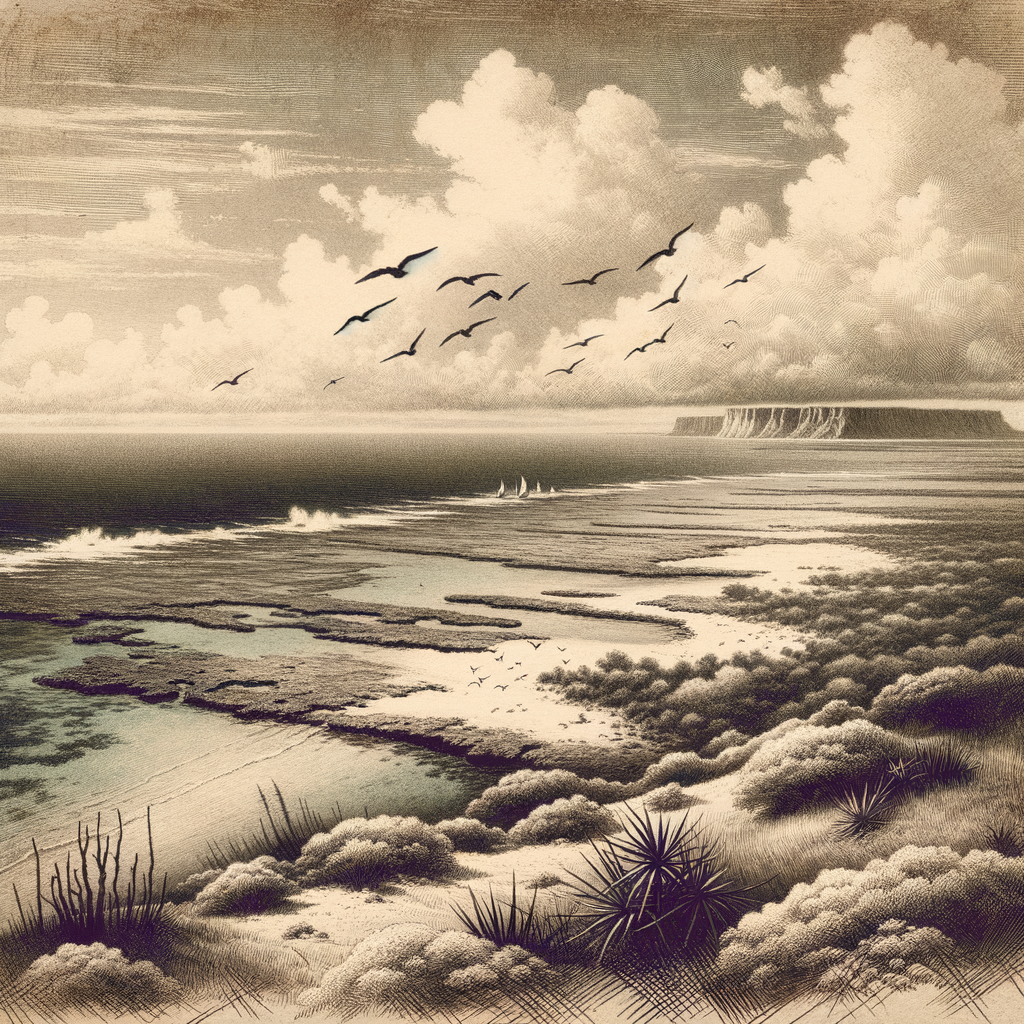
Characterized by low, rocky hills and sparse tundra vegetation, Akunnaap Nunaa spans only a few square kilometers. Like much of Greenland, it features a subarctic environment, where long, harsh winters dominate the calendar year, and short summers bring about a burst of life in the form of lichens and hardy grasses. The coastline is a combination of steep cliffs, ice-sculpted coves, and shallow bays where ice floes drift year-round.
Ecological Diversity
Due to its Arctic location, biological activity on Akunnaap Nunaa is limited but resilient. It is home to several species of seabirds, such as kittiwakes, guillemots, and Arctic terns, which use the island’s cliffs and crags for nesting during the short summer season. The surrounding waters teem with marine life including seals, narwhals, and migratory whales such as the bowhead and beluga.
A tundra ecosystem dominates the island, supporting mosses, lichens, and small flowering plants that bloom during the midsummer thaw. Terrestrial wildlife is scarce but may include Arctic foxes and occasional visits from polar bears crossing the sea ice in search of prey.
Akunnaap Nunaa and its surrounding waters are also part of a delicate ecological balance that is increasingly affected by climate change. The retreat of sea ice has altered migration routes and feeding patterns of many Arctic species, making the region an important focal point for climate research.
The Human Connection
Although Akunnaap Nunaa itself is uninhabited, it is closely associated with the nearby community of Akunnaaq, a small settlement located approximately 23 kilometers west of Aasiaat on a neighboring island. The settlement serves as a hub for fishing and hunting, two activities deeply intertwined with everyday life in Arctic Greenland.
Historically, Akunnaap Nunaa may have been used seasonally by indigenous Inuit groups for hunting marine mammals and birds. Today, it is occasionally visited by locals during summer outings or for traditional activities, such as fishing expeditions or berry gathering.
The name “Akunnaaq” in Greenlandic roughly translates to “the middle” or “at the center,” a reference that may hold cultural or navigational significance to indigenous seafarers who traversed this region long before modern maps were drawn.
Interesting Facts about Akunnaap Nunaa
Despite its small size, Akunnaap Nunaa is surrounded by intriguing facts and little-known features:
– The island lies in a fjord-rich region that is frequently visited by icebergs calved from the nearby Jacobshavn Glacier, one of the fastest-moving glaciers in the world.
– In the summer, Akunnaap Nunaa is bathed in nearly 24 hours of daylight due to its high latitude, while in winter, the sun hardly rises, creating long periods of polar night.
– Marine biologists have identified the waters surrounding the island as a breeding ground for important Arctic fish populations such as halibut and Arctic char.
– Because of its remoteness, Akunnaap Nunaa has never experienced large-scale human development, making it one of the few places in the Arctic where ecosystems remain relatively undisturbed.
Legends and Folklore
As with many Arctic places shrouded in snow and silence, Akunnaap Nunaa is not without its legends. One commonly told tale among the elders of nearby settlements speaks of the “Spirit of the Sea Woman,” a powerful being who is said to dwell in the waters near Akunnaaq. According to the lore, the Sea Woman ensures the balance of marine life and becomes angered when nature is disrespected.
Hunters in the region have traditionally acknowledged the Sea Woman before embarking on expeditions, offering a prayer or symbolic gesture to appease her. If a hunter failed to perform this rite, the legend says he would return empty-handed or worse—be lost to the sea.
Another legend mentions the “Island of Whispers,” portraying Akunnaaq as a place where the voices of ancestors can be heard on the wind during times of great change. Some say that during the polar night, when stars shimmer brightly across the sky, Akunnaap Nunaa serves as a headland between the physical and spiritual realms, where the veils between past and present become thin.
These legends contribute to the cultural identity of the region and reflect the deep connection between Greenlandic communities and the natural world around them.
Modern Relevance and Conservation
As global interest in climate and Arctic ecosystems increases, Akunnaap Nunaa has become a location of scientific interest. Environmental researchers and climatologists have pointed to the island and its surrounding waters as an indicator of Arctic ecological changes. The untouched nature of the island makes it a valuable control site for studies examining the impact of warming temperatures, shifting sea ice patterns, and changing wildlife behavior.
Efforts are being made to ensure that any visitation respects the fragile environment. Permits are often required, and guidelines from Greenlandic authorities emphasize the principle of “leave no trace.” Local communities maintain a protective attitude toward Akunnaaq, viewing it not just as part of their landscape, but as part of their ancestral heritage.
Conclusion
Akunnaap Nunaa, though small and isolated, embodies the spirit of the Arctic: remote, resilient, and rich in cultural meaning. From its stark natural beauty to the whisper of age-old legends on the wind, the island offers more than just a physical location—it serves as a mirror reflecting the past, present, and future of Greenland’s relationship with nature. As interest in Arctic preservation continues to grow, the quiet majesty of Akunnaap Nunaa reminds us of the enduring power and mystery of the world’s most remote frontiers.