Barrow Island: Australia’s Remote Ecological Treasure
Barrow Island is a remote and ecologically significant island located off the northwestern coast of Western Australia in the Indian Ocean. Known for its pristine natural environment and restricted human access, Barrow Island plays a crucial role in both conservation and resource management. Here are some essential aspects of this isolated island, highlighting its unique geography, ecological importance, and cultural significance.
Location and Physical Characteristics
Barrow Island lies approximately 50 kilometers northwest of the Pilbara coast, within the Pilbara region of Western Australia. It is the second-largest island off the Australian mainland, covering an area of around 202 square kilometers. The island stretches approximately 27 kilometers from north to south and about 11 kilometers at its widest point.
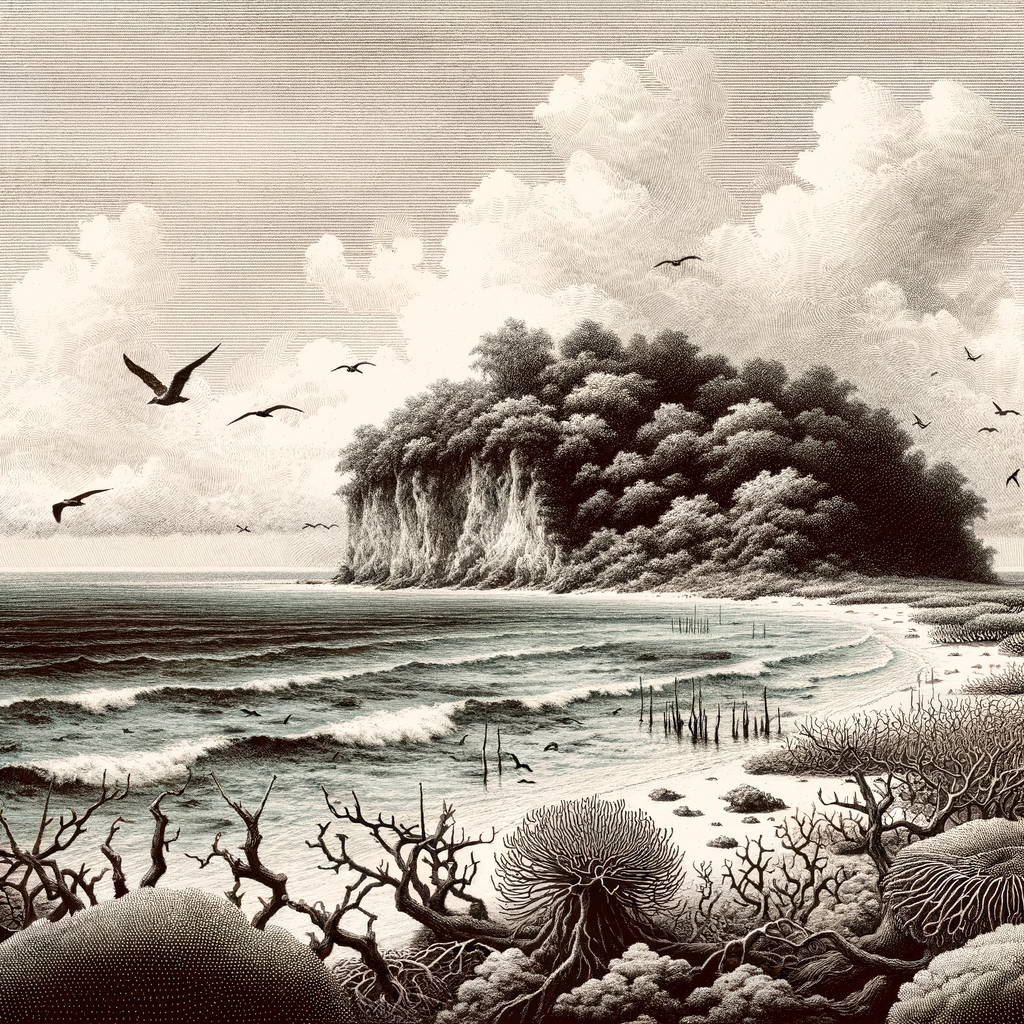
Formed primarily from limestone and ancient coral reefs, Barrow Island features rugged terrain with low ridges, karst formations, and shallow coastal lagoons. The island was once connected to the mainland during the last ice age but has remained isolated for thousands of years, allowing a unique ecosystem to evolve without significant human interference.
Biodiversity and Ecological Significance
Barrow Island is renowned for its exceptional biodiversity and the preservation of native Australian fauna. It is a Class A Nature Reserve, one of only a few such high-level conservation areas in Australia. Despite its arid climate, with average annual rainfall not exceeding 300 mm, the island supports a remarkable range of flora and fauna.
The island is home to over 24 species of terrestrial mammals and reptiles that are otherwise endangered or extinct on the mainland due to the presence of invasive species. For example, the Barrow Island euro (a subspecies of kangaroo), the spectacled hare-wallaby, and the burrowing bettong thrive here. The absence of predators such as foxes and feral cats has made the island a sanctuary for these vulnerable species.
The surrounding marine environment is also teeming with life, including coral reefs, dugongs, dolphins, and sea turtles. Barrow Island’s ecosystem is considered one of the most biologically significant offshore ecosystems in the world.
Resource Development and Environmental Management
Despite its ecological importance, Barrow Island is also the site of one of Australia’s largest natural gas projects — the Gorgon Project. Initiated by Chevron in partnership with ExxonMobil and Shell, this development includes offshore drilling platforms and onshore processing facilities located on the island.
Due to the potential ecological impact, the Australian government imposed exceptionally stringent environmental conditions for any industrial activity. The environmental management plan includes comprehensive biosecurity measures, such as the strict inspection of all incoming personnel and cargo, to prevent the introduction of exotic species. Monitoring programs and regular audits ensure that the island’s unique wildlife remains protected while allowing for the controlled development of energy resources.
Interesting Facts About Barrow Island
Barrow Island has been a conservation stronghold for decades and is often cited as a model for co-existence between industry and the environment. Here are some fascinating facts:
– The island is one of the longest-running mammal sanctuaries in the world, having remained predator-free since the 1960s.
– Fossils found on the island indicate that its limestone caves once served as habitats for megafauna from the Pleistocene epoch.
– Because of its strict access and quarantine controls, Barrow Island serves as a gold standard for biosecurity in industrial operations.
– It features more than 100 cave systems containing rare troglobitic (cave-dwelling) invertebrates that are found nowhere else on Earth.
– The Gorgon Project includes one of the world’s largest carbon dioxide injection systems, which aims to capture and store greenhouse gases underground in a bid to offset the project’s environmental footprint.
Legends and Cultural Significance
While Barrow Island has not been home to any permanent Indigenous settlements in modern times, it holds cultural significance for Aboriginal communities in the Pilbara region. Its ancient connection to the mainland suggests that it may have been visited by Aboriginal peoples tens of thousands of years ago, before rising sea levels cut it off.
Local Yaburara and Mardudhunera people have passed down oral histories that include references to sea crossings and sacred sea country, which may encompass the area around Barrow Island. Some stories speak of spiritual beings that reside beneath the ocean, watching over the island and protecting it from harm — narratives that resonate with the island’s continued isolation and preservation.
Archaeological evidence of early human activity, such as stone tools and engravings, has been discovered on nearby islands in the Monte Bello archipelago, raising the possibility that Barrow Island, too, once held ceremonial or practical significance for Australia’s First Peoples.
Access and Present-Day Status
Public access to Barrow Island is strictly limited due to its status as a nature reserve and its role in industrial operations. Only authorized personnel, such as researchers and project staff involved in regulated activities, are allowed to visit the island, usually under strict biosecurity protocols.
Travel to the island is typically by chartered aircraft or marine vessels, and all visitors must undergo extensive quarantine measures, including decontamination of equipment and travel clothing. These precautions help ensure the fragile ecosystem remains undisturbed by outside influences.
Preserving a Delicate Balance
Barrow Island is a unique example of how industrial development and environmental conservation can coexist, provided stringent safeguards and ongoing monitoring are in place. The island stands as a powerful testament to Australia’s commitment to biodiversity protection, even in the face of significant economic opportunity.
By maintaining its isolation, fostering ecological research, and honoring its ancient cultural legacy, Barrow Island continues to serve as a living laboratory and sanctuary — a remote jewel in the crown of Western Australia.