Introduction to Bounty Island
Bounty Island is a remote and captivating island located in the South Pacific Ocean. Part of the Mamanuca island group in Fiji, it is a small but enchanting coral island that has attracted visitors with its pristine beaches, vibrant marine life, and rich stories of the past. Only a short boat ride from Nadi on the main island of Viti Levu, Bounty Island offers seclusion and natural beauty that makes it stand out among Fiji’s many tropical gems.
Geographical Features and Environment
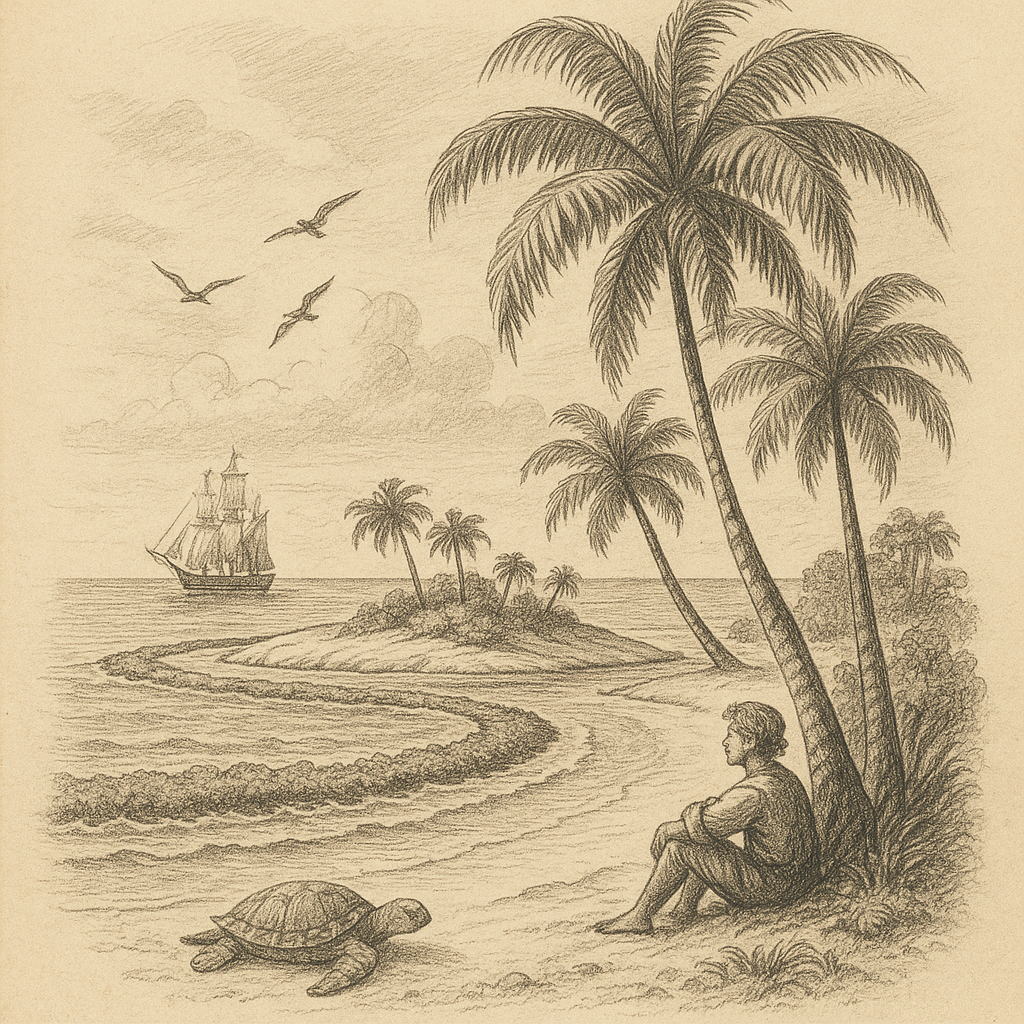
Bounty Island is relatively small, spanning just under 0.3 square kilometers, making it one of the more compact islands in the Mamanuca group. Despite its size, the island boasts stunning white sand beaches, encircling reefs, and crystalline waters teeming with marine biodiversity. The surrounding reef system supports coral gardens, reef fish, and sea turtles, making Bounty Island a hotspot for snorkeling and diving enthusiasts. The island’s flat terrain and lush tropical vegetation give it an inviting, postcard-worthy appearance.
The island lies within a tropical marine climate, characterized by warm temperatures and high humidity throughout the year. Rainfall is more common between November and April, often accompanied by brief but intense tropical storms. The drier months, from May to October, provide ideal conditions for tourism and exploration.
Ecology and Wildlife
Despite its small size, Bounty Island’s natural habitat contributes to the ecological richness of the Mamanuca ecosystem. The island is fringed with mangroves and coconut palms, while interior areas support shrubs and native grasses. Efforts have been made to restore and preserve the local ecosystem, particularly in controlling invasive species and encouraging native plant regeneration.
The waters around Bounty Island are part of a marine protected area. This helps to safeguard a diverse array of marine life, including parrotfish, clownfish, giant clams, sea cucumbers, and reef sharks. The coral reefs serve as breeding grounds for many marine species and play a crucial role in maintaining the health of the South Pacific marine environment. Birdlife is modest, but sea birds such as noddies and terns are commonly spotted nesting around the cliffs and treetops.
Tourism and Accessibility
Bounty Island is known for its tranquil atmosphere and eco-tourism appeal. A key attraction is the Bounty Island Resort, an eco-friendly beachfront resort catering to visitors looking for an intimate island getaway. The resort prioritizes sustainability, using solar energy, sustainable water systems, and local building materials.
The island is conveniently accessible via a 30-minute boat ride from Port Denarau, one of the main launch points for Fiji’s western islands. Day trips offer opportunities for snorkeling, kayaking, and paddleboarding, while overnight stays provide a serene retreat far from the bustle of urban life.
TV enthusiasts may recognize Bounty Island as the filming location for the British reality show “Celebrity Love Island,” which aired in the mid-2000s. Since then, the island has maintained a reputation as a romantic and exclusive escape.
Interesting Facts About Bounty Island
Bounty Island holds more than just natural charm—it also boasts a few curiosities that set it apart. The island gets its name not from any historical connection to HMS Bounty, but rather from its charming resemblance to a tropical paradise as epitomized by the “Bounty” chocolate bar advertisements from the 1980s and 1990s. This association has contributed to its nickname, “the chocolate bar island.”
The island also serves as a model of sustainable hospitality, integrating advanced environmental practices into its infrastructure. Rainwater harvesting and eco-friendly waste management systems have been implemented to reduce the island’s environmental footprint.
Additionally, coral planting programs and marine conservation initiatives are ongoing around Bounty Island, often involving guests and volunteers. These programs are designed to rehabilitate damaged reef areas and educate visitors on the importance of biodiversity conservation in fragile marine ecosystems.
Legends and Stories of the Island
Though Bounty Island is relatively small and modern development has limited the spread of indigenous myths directly tied to it, the surrounding Fijian archipelago is rich in oral traditions and sea-faring legends—many of which indirectly touch this region of the ocean.
One local legend suggests that the island was blessed by the sea god Dakuwaqa, the Fijian shark deity who is said to protect fishermen and travelers. It is believed that his benevolent presence guards the reefs surrounding Bounty Island, explaining the abundance and harmony of marine life there. Visitors often remark on the unusual calmness and serenity of the island’s lagoon, which many Fijians attribute to this mythical protection.
There are also tales told by local elders about “island whisperers,” ancestors who could communicate with the winds and ocean currents. According to these stories, certain islands—including Bounty—were seen as voice points through which messages could be sent across vast ocean distances. While these legends have faded with modernization, they reflect a deep connection between the Fijian people and their maritime environment.
Conservation and Future Outlook
Preserving the natural and cultural integrity of Bounty Island has become a priority for both local authorities and international conservation groups. The island’s ecological value, combined with its tourism potential, underscores the need for sustainable management practices.
Efforts led by NGOs, resorts, and Fijian government departments focus on marine conservation, sustainable tourism, and community engagement. Visitor education programs help raise awareness about reef preservation and responsible snorkeling practices, while scientific research initiatives aim to better understand the impact of climate change on coral health.
As Fiji continues to embrace eco-tourism and sustainable development, Bounty Island serves as a shining example of how small islands can play a significant role in conservation, education, and cultural preservation.
Conclusion
Bounty Island may be small in size, but its significance is vast. With its unspoiled beaches, rich marine ecosystems, fascinating stories, and unwavering commitment to sustainability, it offers a unique retreat for those seeking both adventure and tranquility. Whether drawn by its turquoise waters or intrigued by the spirit of ancient legends, visitors who set foot on Bounty Island inevitably find themselves captivated by its charm—and inspired by its promise for the future.