Devon Island: Earth’s Largest Uninhabited Island
Devon Island is the largest uninhabited island on Earth. Located in the remote Canadian Arctic Archipelago, within the territory of Nunavut, Devon Island stretches over an area of approximately 55,000 square kilometers (21,000 square miles). Its harsh climate, barren terrain, and isolation make it one of the most unique and scientifically significant places on the planet.
Geography and Climate
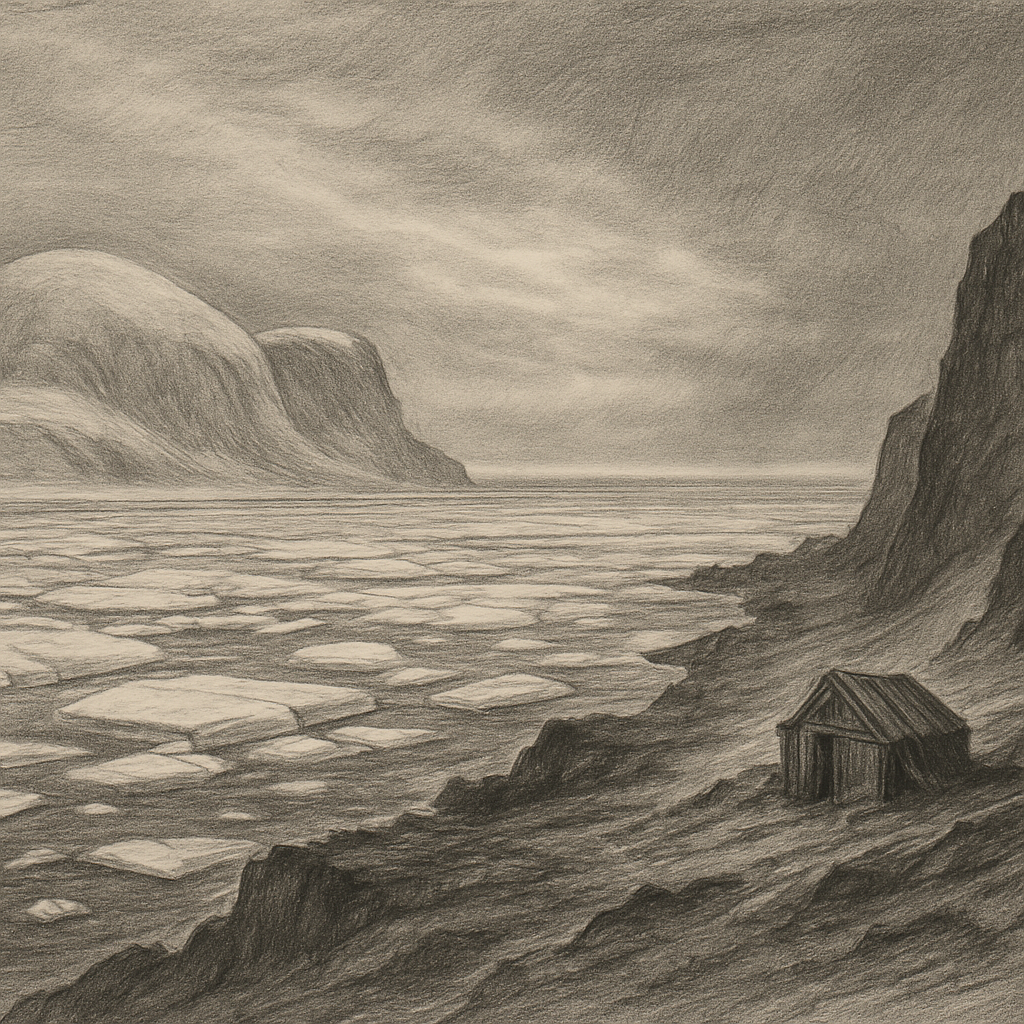
Devon Island lies in Baffin Bay, north of the Canadian mainland and west of Greenland. As part of the Queen Elizabeth Islands, it ranks among the most northerly islands in the Canadian Arctic. The island is dominated by the Devon Ice Cap in the eastern highlands and surrounded by rugged terrain, fjords, and ancient bedrock.
The climate on Devon Island is classified as polar desert. Temperatures can plunge to -50°C (-58°F) in winter and rarely rise above freezing during short summers. Precipitation is extremely sparse, making the environment both cold and dry. Strong winds and blowing snow are common, contributing to the island’s otherworldly appearance.
Geological Significance
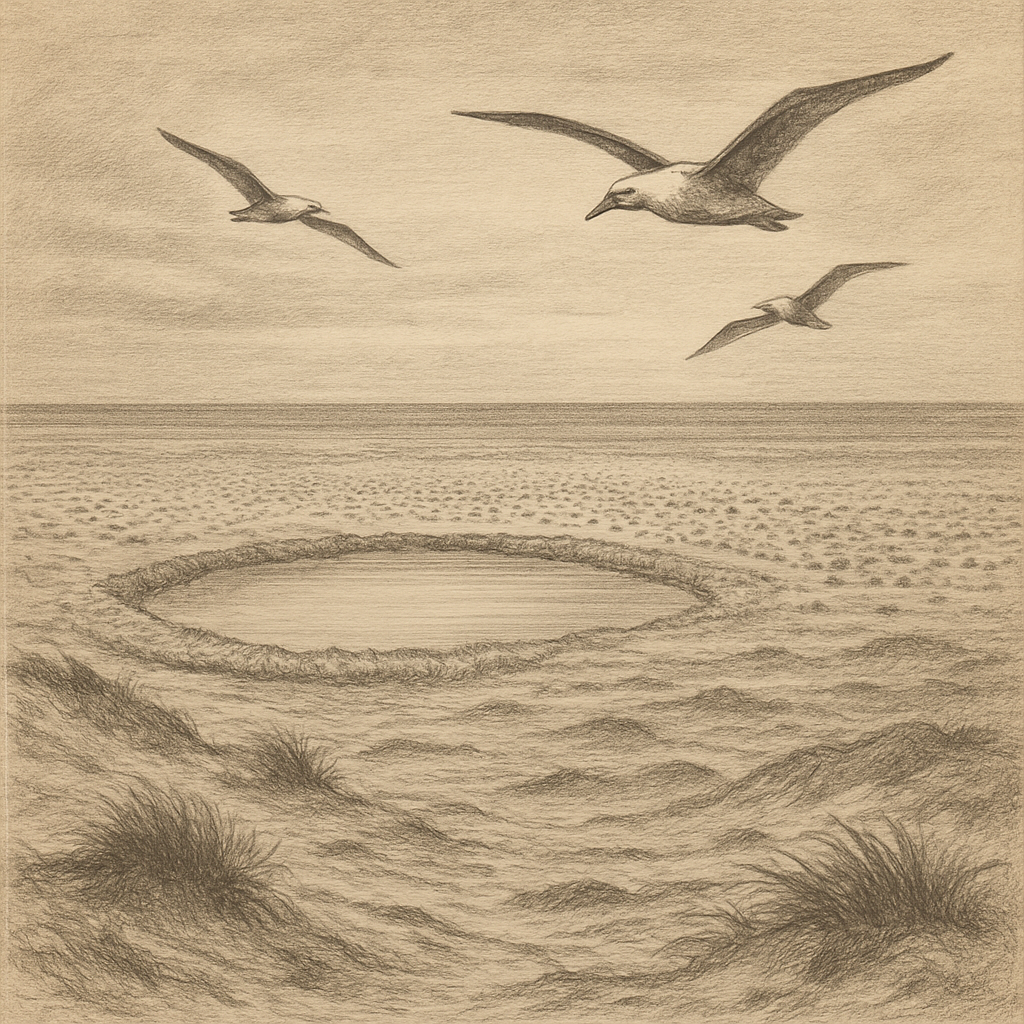
Devon Island is perhaps best known for the Haughton Impact Crater, a 23-kilometer (14-mile) wide structure formed about 39 million years ago when a comet or asteroid slammed into the surface. The crater has long served as a natural laboratory for geologists and planetary scientists.
Because of its Mars-like landscape, composed of permafrost, dry rock, and polar desert conditions, Devon Island is often referred to as an analog site for the Red Planet. The impact crater is extremely well-preserved, allowing researchers to study how craters form and evolve in cold, arid conditions similar to those on Mars.
Research and NASA Simulations
The Haughton-Mars Project (HMP), established in 1997, is a field research program that uses the crater site as a stand-in for Mars. Managed by the Mars Institute and supported by NASA, the project studies technologies, strategies, and human behavior in simulated Mars exploration missions.
Researchers spend weeks on Devon Island living in isolation and conducting scientific experiments, simulating the conditions that future astronauts might experience during interplanetary travel. The environment is so hostile and remote that it thoroughly tests both equipment and personnel, making Devon Island one of the best places on Earth to prepare for space exploration.
Flora and Fauna
Due to its extreme climate and permafrost, Devon Island has limited biodiversity. Only the hardiest forms of Arctic life survive here. The landscape is scattered with mosses, lichens, and a few cold-tolerant flowering plants during summer months.
Animal life is scarce but resilient. Musk oxen, Arctic hares, and small populations of lemmings have been seen grazing the sparse tundra. Polar bears occasionally traverse the coastline, and various species of migratory birds visit during the brief Arctic summer.
Interesting Facts
Devon Island’s moniker as the “Mars on Earth” has captured global imagination. Here are some intriguing facts about this barren but fascinating place:
- There are no permanent human settlements on Devon Island. It is entirely uninhabited, with only temporary camps set up during research missions.
- The island’s Haughton Crater is one of the most studied impact structures in the world.
- In the 1960s, parts of the island were explored by the Geological Survey of Canada using traditional dog-sled teams.
- Drone technology, planetary rovers, and communications systems targeting Mars missions have all been tested here.
- The terrain is so devoid of human disturbance that footprints from researchers can remain visible for years.
Legends and Mystery
While Devon Island does not have a deep folklore tradition due to its lack of permanent human occupation, Inuit communities in neighboring regions have passed down oral stories about the high Arctic archipelago.
Some of these tales speak of giant white bears with supernatural intelligence, wandering the ice-covered coasts of distant islands. Others describe mysterious lights dancing through the polar night sky, believed by elders to be signals from ancestral spirits or travelers from other worlds.
More modern legends have taken root as well. Conspiracy theorists and UFO enthusiasts have occasionally linked Devon Island’s appearance to theories about alien testing grounds or secret government installations. Photos of astronaut-suited researchers on the barren landscape have been cited—mistakenly, of course—as evidence of Mars colonization.
Access and Conservation
Reaching Devon Island is incredibly challenging. There are no airstrips for regular commercial flights, and all travel must be arranged via chartered aircraft from Resolute Bay or other nearby Arctic settlements. Due to its sensitive ecosystem and scientific importance, the island is protected under Canadian Arctic policies.
Only trained scientific teams with approved permits can access the island. Conservation efforts aim to minimize human impact, ensuring that Devon Island remains pristine for future generations of researchers.
Conclusion
Devon Island stands as a paradoxical gem: a lifeless landscape teeming with knowledge. From helping scientists understand planetary geology to preparing astronauts for Mars missions, the island continues to play an essential role in humanity’s quest to explore beyond Earth. Its remote beauty, scientific relevance, and air of mystery make Devon Island one of the most extraordinary places on our planet—the closest Earth has come to another world.