Flatey Island: A Hidden Gem of Icelandic Nature and Heritage
Flatey Island, nestled in Breiðafjörður Bay off the western coast of Iceland, is a small yet captivating island that offers rich history, unique wildlife, and a sense of serene isolation. With a size of only 2 km², it may be easily overlooked on the map, but its cultural and ecological significance are anything but small. Here’s a deeper look into this remote and enchanting island.
Geographic Location and Natural Features
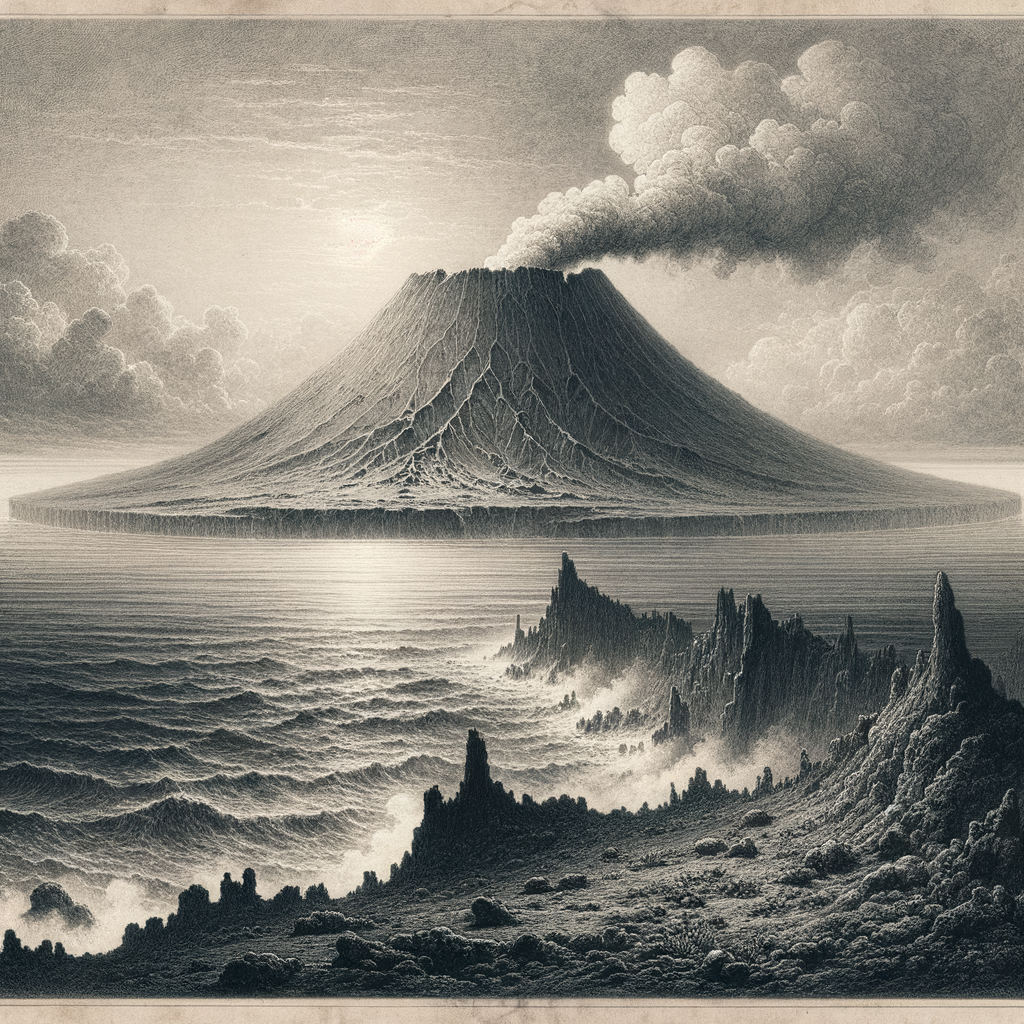
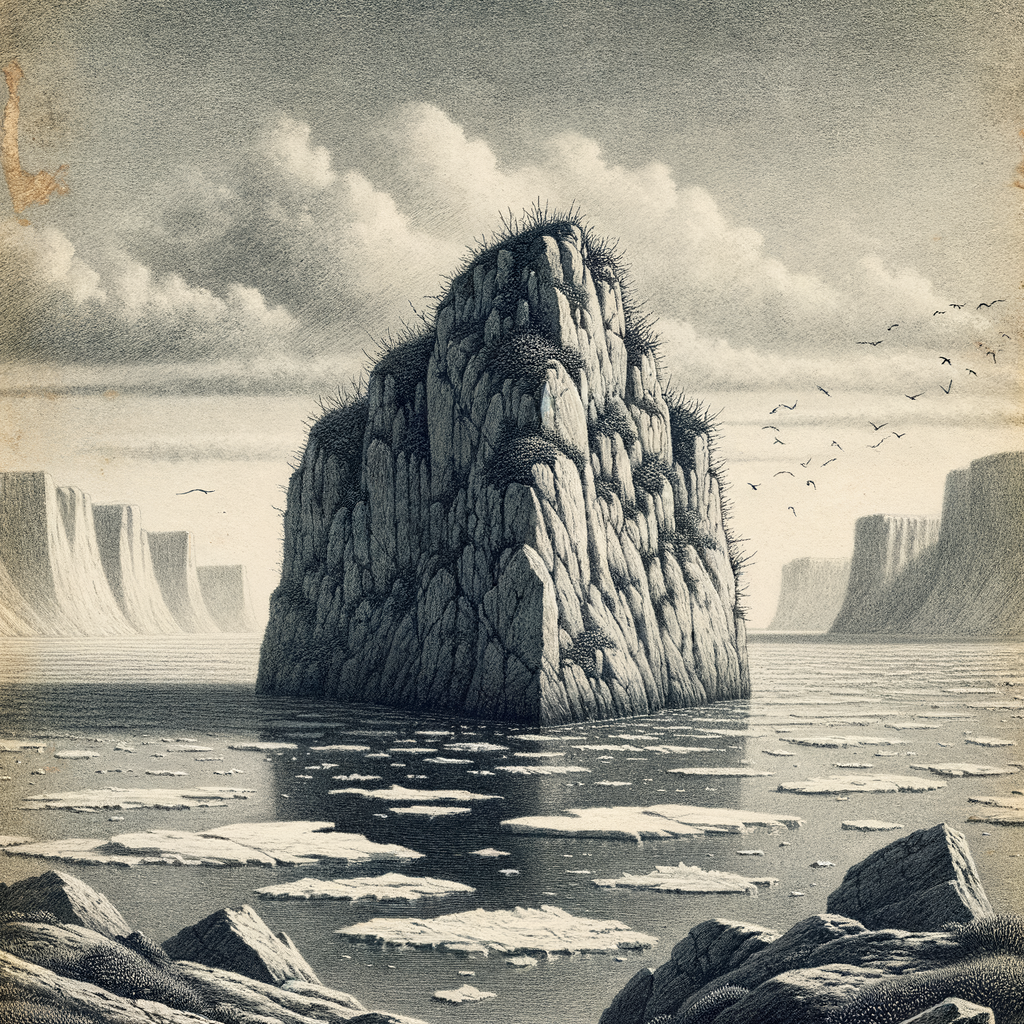
Flatey Island lies off Iceland’s western shore, between the Snæfellsnes Peninsula and the Westfjords, surrounded by a myriad of smaller islets. The name “Flatey” translates to “Flat Island,” aptly describing its low-lying, flat terrain. Unlike the rugged volcanism seen in much of Iceland, Flatey’s topography is gentle, with grassy fields and a few scattered rocky points along the shore.
The island is part of the Breiðafjörður archipelago, which includes thousands of small islands and skerries. This fjord system provides a unique habitat untouched by the modernity seen in mainland Iceland, contributing to the charm and isolation of Flatey.
Despite its northern location, the climate on Flatey is tempered by the surrounding ocean. Summers are cool but reasonably mild, making it an ideal spot for nesting seabirds and for visitors seeking peace amidst wild beauty.
A Brief History of Human Settlement
Flatey has been inhabited since the early days of Icelandic settlement in the 12th century. During the Middle Ages, the island became a hub for religious and scholarly activity. The Flatey Monastery, established in the 12th century, played a crucial role in preserving early Icelandic literature and culture. The most notable relic of this period is the Flateyjarbók (The Book of Flatey), one of Iceland’s most important medieval manuscripts. Although the original now resides in Copenhagen, its creation on Flatey marks the island as a cultural heartland.
For centuries, Flatey was a vibrant fishing and trading post, especially active during Iceland’s Danish rule. In the 19th and early 20th centuries, the island supported a small but self-sufficient community, complete with a school, library, and church. However, changing economic realities and increasing centralization led to depopulation, and by the 1960s, Flatey was largely abandoned as a permanent settlement.
Flatey Today
In modern times, Flatey is mostly a seasonal island, populated in the summer by a few inhabitants and visitors who maintain family houses or run small guesthouses catering to tourists. There are no cars on the island, and footpaths connect the few buildings and natural sites, enhancing the laid-back and eco-friendly atmosphere.
The island’s principal structures include the Flatey Church, rebuilt in 1926 and decorated with extraordinary frescoes painted by Spanish artist Baltasar Samper in the 1960s. Another notable building is the oldest and smallest library in Iceland, dating back to 1864, which still houses valuable historical volumes and is open to curious visitors during the summer months.
Access to Flatey is restricted to ferry services that operate from Stykkishólmur on the Snæfellsnes Peninsula and Brjánslækur in the Westfjords. These ferries make a few stops on the island as part of their route across the Breiðafjörður.
Wildlife and Biodiversity
One of the most compelling aspects of Flatey is its vibrant birdlife. More than 30 species of birds nest on or near the island during the spring and summer, making it a paradise for birdwatchers. Among the most commonly sighted species are puffins, Arctic terns, red-necked phalaropes, common eiders, and black guillemots.
The surrounding fjord acts as a marine conservation zone, rich in plankton and fish, supporting not just birds but also seals and occasionally whales. The absence of predators like foxes has made Flatey and its satellite islets vital nesting grounds, often drawing ecological researchers during the summer months.
The flora on Flatey is equally unique. Though exposed to harsh winds and salty air, the lush meadows support a variety of grasses and wildflowers, including rare Arctic species. These meadows are especially beautiful during the blooming season, filling the flat landscape with colorful bursts of nature’s resilience.
Interesting Facts
– Flatey’s library is the oldest of its kind in Iceland and holds books dating back several centuries.
– The Flatey Church features altarpiece decorations that reflect both religious and cultural history, including portrayals of local life and folklore.
– Only a select few houses are occupied during the winter, with most being used as summer residences.
– Flatey has no roads or vehicles, preserving its tranquility and making it a uniquely pedestrian-friendly destination.
Legends and Folklore
As with much of rural Iceland, Flatey is steeped in lore that mixes Norse mythology with local tales. One enduring legend tells of “The Ghost of Flatey,” said to be the spirit of a young woman who drowned while awaiting her lover. Her figure reportedly appears on foggy evenings near the island’s western shore, singing plaintive songs carried by the wind.
Another tale tells of “The Hidden People” (huldufólk), Icelandic elves believed to dwell in specific rock formations only visible during twilight hours. Even today, older residents will speak respectfully of these sites, cautioning against disturbing the natural stones said to guard their hidden homes.
In the old days, sailors passing through Breiðafjörður would salute Flatey to ensure calm seas. Some even claimed the island possessed special powers as a blessed place protected by saints and nature spirits alike.
Preserving Flatey’s Legacy
As Iceland grows in popularity as a tourist destination, efforts are being made to preserve the quiet and heritage of Flatey Island. Local authorities and conservation organizations work together to maintain its historical buildings, protect nesting sites, and limit over-tourism.
Visitors are encouraged to respect the island’s fragile ecosystem by staying on marked paths, observing wildlife from a distance, and supporting local initiatives that sustain the island’s cultural and ecological identity.
Flatey Island remains a testament to Iceland’s intertwined natural and cultural history—a peaceful retreat where time slows and both nature and legend are etched into every stone and shoreline.