Gough Island: A Remote Oasis in the South Atlantic
Gough Island, a remote volcanic island located in the South Atlantic Ocean, is one of the most isolated inhabited islands on Earth. As part of the British overseas territory of Saint Helena, Ascension and Tristan da Cunha, Gough Island is situated approximately 2,700 kilometers southwest of Cape Town, South Africa, and about 400 kilometers southeast of Tristan da Cunha, its nearest populated neighbor. Despite its extreme remoteness, the island plays a vital role in several scientific and conservation efforts and remains a place of mystery and natural intrigue.
Geography and Geology
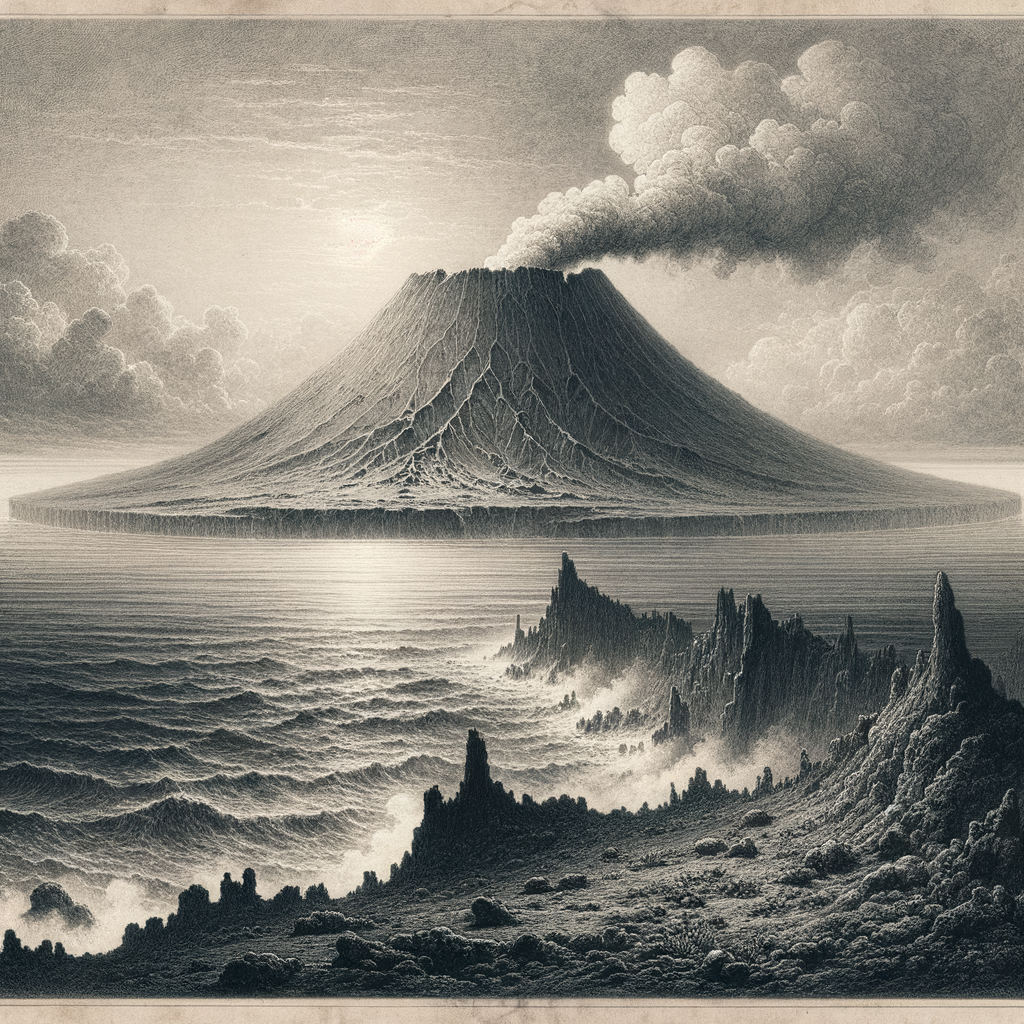
Gough Island is the emergent summit of a massive undersea volcano that rises nearly 3,000 meters from the floor of the South Atlantic. The island itself spans roughly 13 kilometers in length and 5 kilometers in width, covering an area of about 91 square kilometers. The rugged terrain features dramatic cliffs, steep slopes, and numerous waterfalls, shaped over millennia by weathering and erosion.
The highest peak on the island is Edinburgh Peak, which rises to 910 meters above sea level. Gough is of volcanic origin, and its geology consists mainly of basaltic lava flows and pyroclastic deposits, indicating a turbulent volcanic past. Although volcanic activity has long ceased on the island, its landscape testifies to its fiery beginnings.
Climate and Environment
The climate of Gough Island is classified as cool-temperate oceanic. Temperatures average between 11°C and 17°C throughout the year, with high humidity and frequent rain. The island receives more than 3,000 mm of rainfall annually, sustaining a lush and windswept landscape of grasses, mosses, and low-lying shrubs.
Due to its isolation, Gough Island has remained relatively free of human disturbance, allowing it to develop unique ecological characteristics. The island was designated a UNESCO World Heritage Site in 1995, jointly with Inaccessible Island, for its exceptional natural significance.
Flora and Fauna
Gough Island is one of the least disturbed ecosystems in the temperate zone, making it incredibly valuable to biologists and conservationists. The island serves as a critical breeding ground for millions of seabirds, including the endangered Tristan albatross and Atlantic petrel. In fact, it’s estimated that more than 10 million birds breed on the island annually, making it one of the most important seabird colonies in the world.
The island is also home to a small number of endemic species, such as the Gough moorhen and the Gough bunting — birds found nowhere else on Earth. The surrounding ocean waters teeming with marine life, including various species of seals, are protected under a strict conservation framework.
However, the accidental introduction of invasive species such as house mice, which prey on seabird chicks, has posed significant threats to this fragile ecosystem. Ongoing conservation efforts, including mouse-eradication programs, are in place to restore the island’s natural balance.
Human Presence and Research Activity
Despite its remoteness, Gough Island maintains a small human presence for scientific and meteorological purposes. Since 1956, South Africa has operated a weather station on the island, staffed year-round by a rotating team of six personnel. These researchers undertake vital work in climate monitoring, environmental observation, and bird census activities.
Access to Gough Island is restricted and requires special permits due to its World Heritage status and sensitive ecology. Supply ships reach the island only once a year, and travel is possible only by boat and often complicated by rough sea conditions and lack of suitable landing areas.
Interesting Facts About Gough Island
Here are some fascinating facts that add to Gough Island’s mystique:
– The island is named after Captain Charles Gough, a British mariner who rediscovered the island in 1732, though it may have been earlier sighted by Portuguese sailors in the 16th century.
– It is considered one of the most important seabird islands in the world, hosting over 20 species of breeding seabirds.
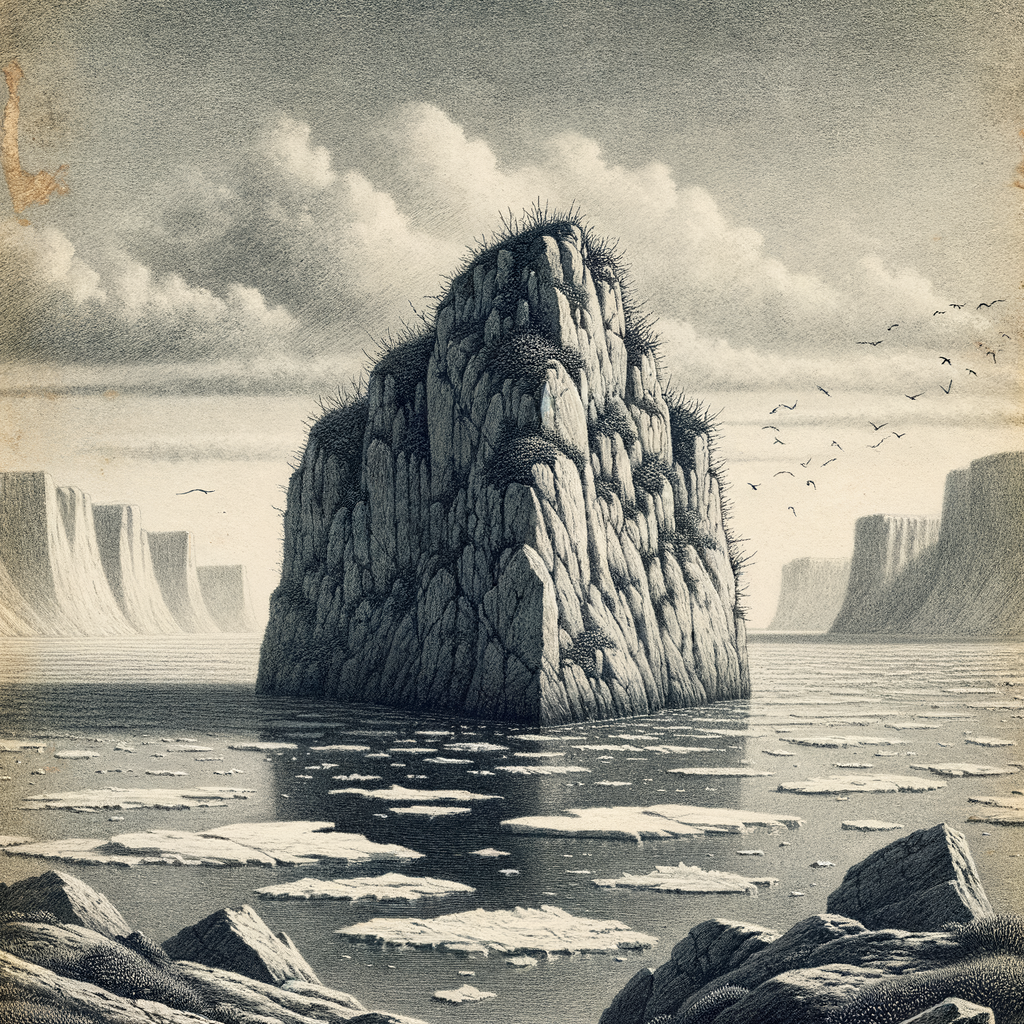
– The isolation of the island has preserved ancient geological formations, including sea stacks and basalt columns.
– It is one of the few islands in the world with a full-time meteorological station not situated on a continent.
– Despite being unoccupied except for researchers, the island is technically part of a British overseas territory and uses UK postal codes and administration systems through Tristan da Cunha.
Legends and Lore
Due to its remoteness and unpredictable weather, Gough Island has been surrounded by tales and legends, especially among seafarers who long avoided the region. Early sailors believed the island was haunted, citing reports of inexplicable lights on the cliffs and strange bird calls echoing through the fog.
One legend tells of a mariner named Hannibal Grey, who was shipwrecked on the island in the 1800s and left behind by his crew, believed to have gone mad from isolation. Some say his spirit still roams the cliffs, warning sailors of nearby rocks with ghostly wails.
Another tale speaks of the “Crying Gull Rock,” a sea stack on the north shore where flocks of seabirds oddly refrain from nesting. Local myth holds that it was once the burial place of an unnamed sailor, and their soul repels any attempt at occupation. While these stories are rooted in folklore, they continue to add to the island’s enigmatic reputation.
Conservation Status and Future Outlook
Preserving Gough Island remains a priority for international conservation agencies. The mouse-eradication program, executed by the Royal Society for the Protection of Birds (RSPB), is among the most complex of its kind and reflects how vital the island is to global biodiversity.
In the face of climate change and invasive species pressures, Gough Island stands as an isolated but powerful reminder of what pristine nature can offer — a glimpse into an untouched world, resilient yet fragile. With continued stewardship, this remarkable island can continue to serve not only as a sanctuary for wildlife but as a beacon of what dedicated conservation efforts can achieve.