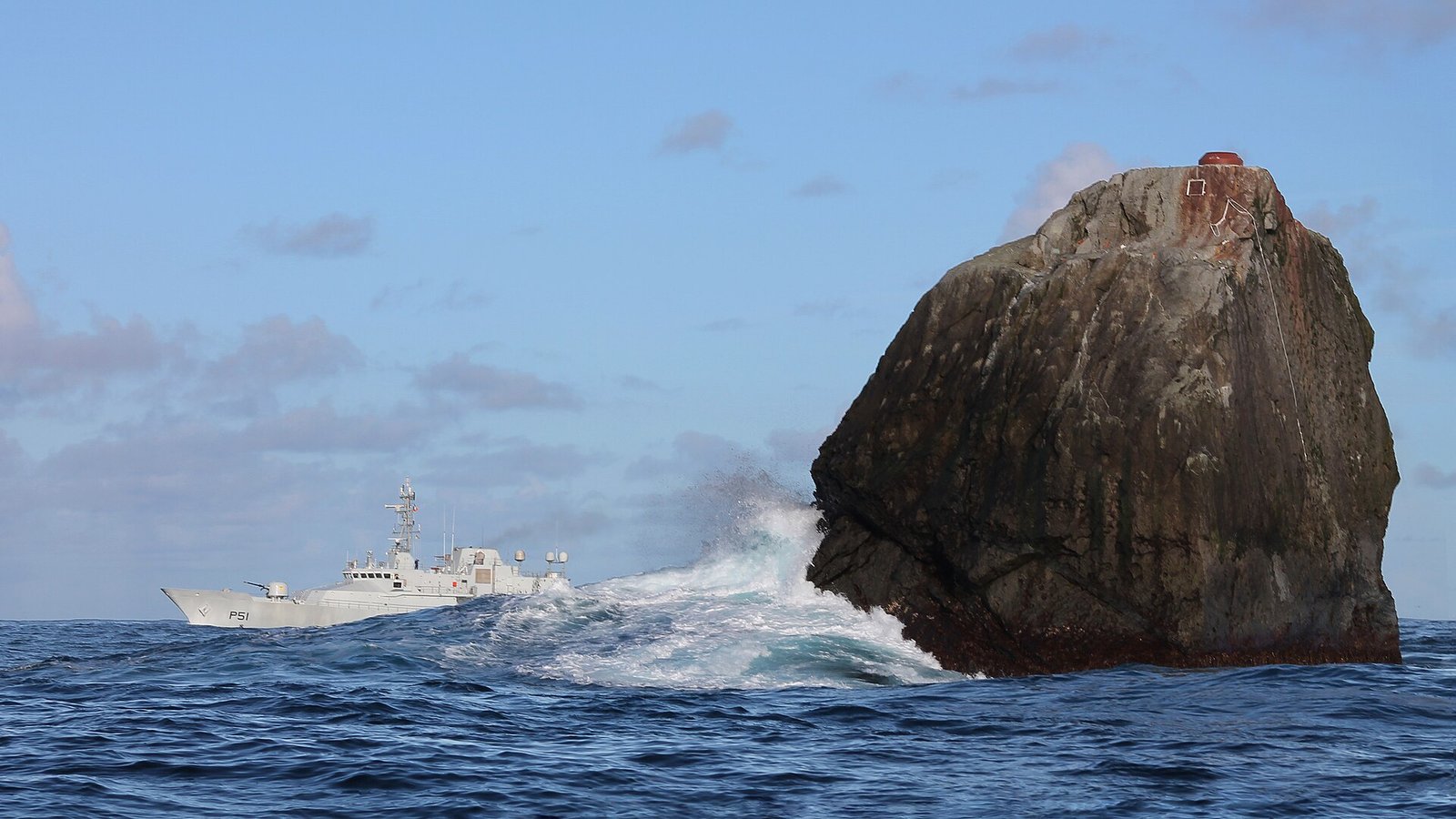
Heard Island and McDonald Islands (HIMI) are a group of volcanic islands located in the Southern Ocean, about 4,100 kilometers (2,500 miles) southwest of Perth, Western Australia. The islands are Australian territory and are among the most remote and uninhabited places on Earth. The main island, Heard Island, is a large stratovolcano that last erupted in the early 1980s, one of the few active volcanoes in the subantarctic alongside Deception Island. It is home to a wide variety of unique flora and fauna, including the Heard Island cormorant and the Heard Island sheathbill, both of which are found nowhere else in the world. The smaller McDonald Islands, located about 45 kilometers (28 miles) to the west of Heard Island, are made up of a group of smaller volcanic islands and rocks.
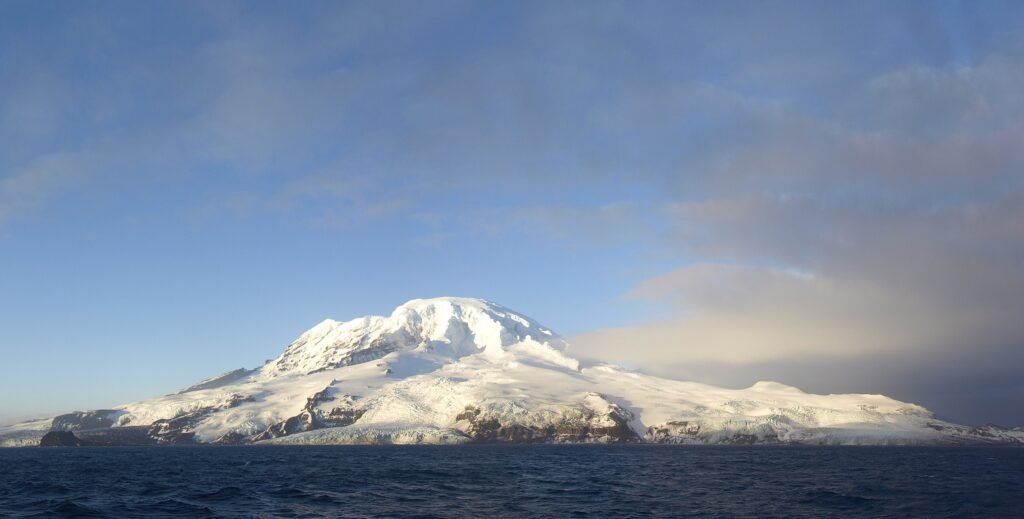
Heard Island
Credit: Tristannew
HIMI is also home to an important scientific research station, which is operated by the Australian Antarctic Division, which also manages the research station on Macquarie Island. The station is used to study climate change, marine biology, and geology, among other things. Additionally, the islands are home to a wide variety of seabirds, including several species of penguins, as well as seals and whales. The island is also considered as an important breeding ground for seabirds, and it is home to a large number of species of penguins and petrels, as well as several species of seals, including the southern elephant seal and the Antarctic fur seal.
Despite its remote location, HIMI has a rich history of human activity. The islands were first discovered in the early 19th century and have been visited by sealers, whalers, and other explorers over the years. In 1947, Australia claimed sovereignty over the islands, and they have been an Australian territory ever since. The island played a significant role in whaling and sealing industry in the 19th century and it is said that the island was heavily exploited for its resources.
The island and its surrounding waters are also home to a diverse array of marine life, including several species of whales, dolphins, and sharks. The waters around the island are also considered to be some of the most productive fishing grounds in the Southern Ocean, and several species of fish, squid, and krill are found in abundance. The island also serves as a feeding and breeding ground for many seabirds and marine mammals.
HIMI is also an important area for scientific research, and several international research programs are conducted on the island and its surrounding waters. Studies are conducted on various fields such as climate change, marine biology, geology, and atmospheric science, among others. The island is also a popular destination for ecotourism, and several tour operators offer expeditions to the island.
The island is also known for its rugged and inhospitable terrain, characterized by steep cliffs, glaciers, and heavy snowfall. The island’s weather is extremely harsh, and temperatures can drop as low as -20 degrees Celsius (-4 degrees Fahrenheit) in the winter. The island also receives heavy rainfall and strong winds throughout the year, making it a challenging place to live and work.
Despite its remote location and harsh environment, the island is home to a wide variety of unique flora and fauna, which have adapted to the challenging conditions. The island is home to several species of moss, lichens, and liverworts, as well as a small number of higher plants, such as the Heard Island daisy. The island also has a diverse array of birdlife, including several species of penguins, petrels, and albatrosses.
Due to its remote location and harsh environment, HIMI is not open to visitors, and access is strictly limited to scientists and other authorized personnel. However, the islands can be visited by boat, and there are several tour operators