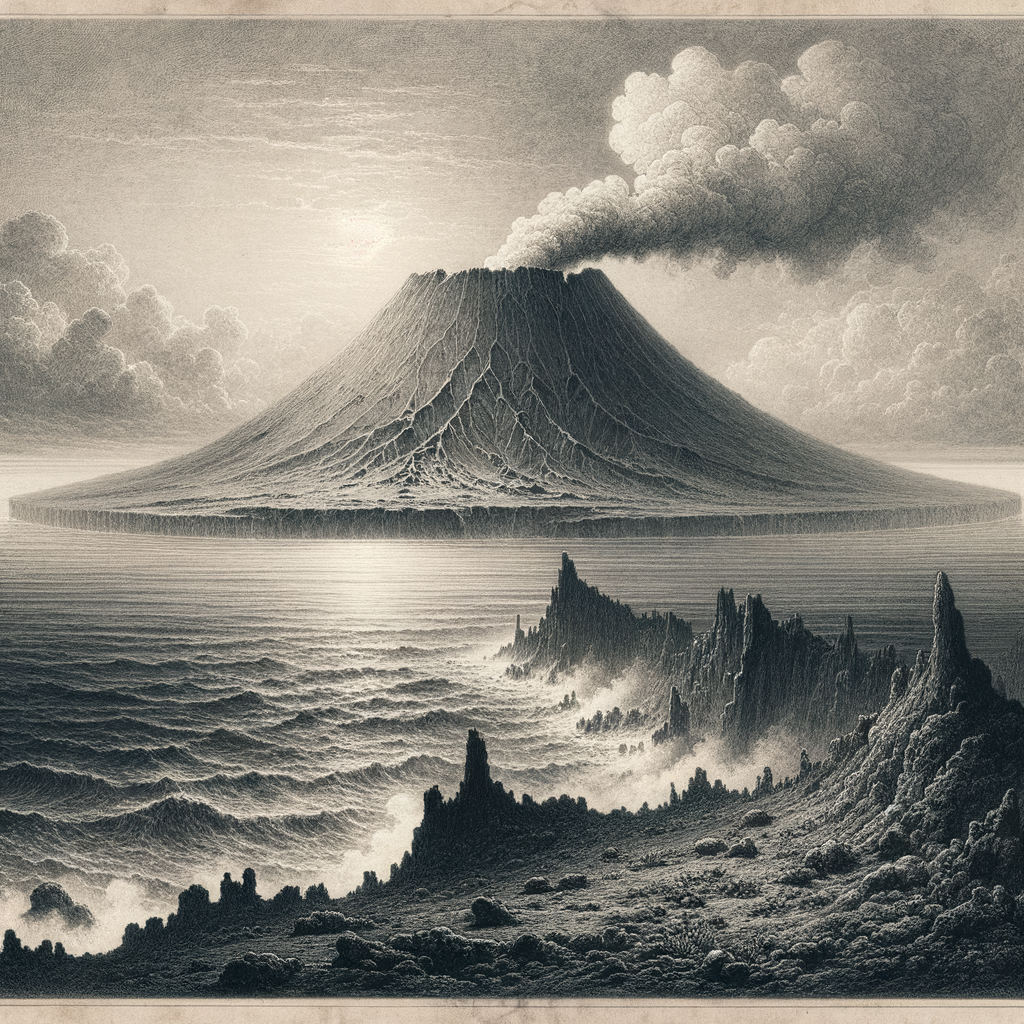
Hirakud Island: A Remote Jewel in Eastern India
Hirakud Island, nestled in the expansive waters of the Hirakud Reservoir in the eastern Indian state of Odisha, is a relatively obscure yet captivating destination. Situated about 15 kilometers upstream from the city of Sambalpur, this island is part of one of Asia’s longest man-made lakes. Despite its proximity to the mainland, Hirakud Island retains a sense of detachment and serenity, offering a unique combination of history, natural beauty, and cultural lore.
Geographical Background and Location
Hirakud Island lies within the massive Hirakud Reservoir, which was created in the 1950s by damming the Mahanadi River. The dam, which stretches about 25.8 kilometers, forms one of the largest artificial lakes in Asia. The island itself is accessible by boat and rises conspicuously above the waterline, forming a green patch in the reservoir’s otherwise vast and shimmering expanse.
The terrain of the island is largely undisturbed, featuring gentle slopes, grassy clearings, and a scattering of indigenous trees and shrubs. Its geographic isolation, cradled by freshwater and limited access, has played a crucial role in preserving its unique ecosystem.
Volcanic and Geological Formation
Unlike island arcs formed by tectonic or volcanic activity, such as the Kermadec Islands or the Andaman archipelago, Hirakud Island is not of volcanic origin. Instead, it owes its existence to human intervention and geological happenstance. When the Hirakud Dam was constructed, the rising waters of the newly formed reservoir submerged numerous hilltops and river islands. Hirakud Island is one such remnant: an elevated patch of land that once stood amid the floodplains of the Mahanadi River.
Over the decades, the island has stabilized, and soil accumulation through sedimentation has encouraged the growth of vegetation. The island’s understructure is composed of ancient crystalline rocks typical of the eastern ghats, contributing to its remarkable stability amidst fluctuating reservoir water levels.
Climate and Biodiversity
The island experiences a tropical to subtropical climate, with hot summers, a monsoon season from June to September, and mild winters during December and January. Rainfall on average reaches up to 1200 mm annually, which sustains its moderate yet diverse flora and fauna.
Although the island is small, covering just a few square kilometers, it hosts a variety of bird species, particularly waterfowl and migratory birds during the winter season. The surrounding aquatic environment supports fish species such as rohu, catla, and mrigal, making the area popular among local fishermen. Vegetation includes acacia, neem, and various types of grasses and bushes that serve as habitats for small mammals and reptiles.
Interesting Facts about Hirakud Island
One of the most interesting aspects of Hirakud Island is its adaptability to human curiosity while maintaining its untouched aesthetic. In recent years, the island has become a favored destination for eco-tourists and adventure enthusiasts. Kayaking expeditions from the reservoir’s shores to the island have grown in popularity, especially during the cooler months.
Hirakud Island is also notable for its proximity to the Debrigarh Wildlife Sanctuary, which lies along the reservoir’s western banks. This sanctuary is home to tigers, leopards, gaurs, and nearly 40 species of mammals, enhancing the ecological importance of the entire reservoir system, including the island.
Interestingly, several archaeologists have noted remnants of possible pre-submersion human settlements near the island’s base, suggesting that these elevated points may have served as refuges during floods or seasonal inundations before the dam’s construction.
Legends and Cultural Significance
Despite its relative obscurity, Hirakud Island carries a whisper of ancient mystique and legend. Local folklore speaks of an old temple that once stood on the hilltop, dedicated to an unnamed forest deity believed to protect the river inhabitants. According to oral traditions passed down through fishing communities, the island was a spiritual retreat for wandering saints during the medieval period.
Another story often shared by locals is that of “Jal Priya,” a mythical mermaid believed to have emerged from the Mahanadi to bless the island with eternal greenery. Elders recall hearing tales from their ancestors about mysterious lights appearing over the island’s canopy on moonless nights—interpreted as celestial beings paying homage to the long-lost temple.
Though no physical evidence of these legends remains today, the narratives remain embedded in local consciousness, adding a cultural depth to the island’s natural allure.
Accessibility and Conservation Efforts
Currently, Hirakud Island is not permanently inhabited, and infrastructure is minimal, mostly limited to a few makeshift shelters erected by occasional campers or forest personnel. Access to the island is possible primarily by local boats or ferries operated informally by villagers on the reservoir’s edge.
In recent years, environmental groups and local authorities have begun to show interest in preserving the island’s natural state. Efforts are being made to regulate tourism, prevent littering, and educate visitors on the ecological significance of such freshwater islands. There is also a growing call to declare the island and surrounding reservoir ecosystem a protected area, which would encourage both conservation and responsible tourism.
Conclusion
Hirakud Island is a hidden gem within the folds of modern infrastructure and ancient geography. Its tranquil isolation, ecological uniqueness, and layers of folklore make it a striking addition to India’s diverse islands. As both a product of engineering marvel and a cradle of myths, Hirakud Island offers more than scenic beauty—it presents a narrative of coexistence between man, nature, and the unexplained.