Moturiki Island: A Hidden Gem of Fiji’s Eastern Coast
Nestled in the Lomaiviti Archipelago of Fiji, Moturiki Island is a small yet culturally rich landmass surrounded by the crystal-clear waters of the South Pacific Ocean. While it may not be widely known to international travelers, this island holds a unique spot in Fiji’s history, archaeology, and folklore. With a land area of only about 10.4 square kilometers, Moturiki is home to approximately 1,000 residents spread across several villages, including Uluibau and Naicabecabe. The island remains relatively untouched by mass tourism, offering a window into traditional Fijian life, ancient settlements, and a tropical environment teeming with natural beauty.
Geographical and Environmental Features
Moturiki lies just off the eastern coast of the much larger Ovalau Island and is part of Fiji’s Central Division. The island is volcanic in origin, featuring an undulating landscape of low hills and fertile soils. Its coastal areas are fringed with mangroves, coral reefs, and white sand beaches, while inland terrains support tropical vegetation and subsistence agriculture.
The climate on Moturiki is typically tropical marine, with warm temperatures year-round and marked wet and dry seasons. The island experiences frequent cyclones during the wet season, which can sometimes affect the fragile infrastructure of local villages. Despite these challenges, the island remains lush and biologically diverse, with ecosystems that support both terrestrial and marine life, including coconut palms, pandanus trees, reef fish, and sea turtles.
Historical and Archaeological Significance
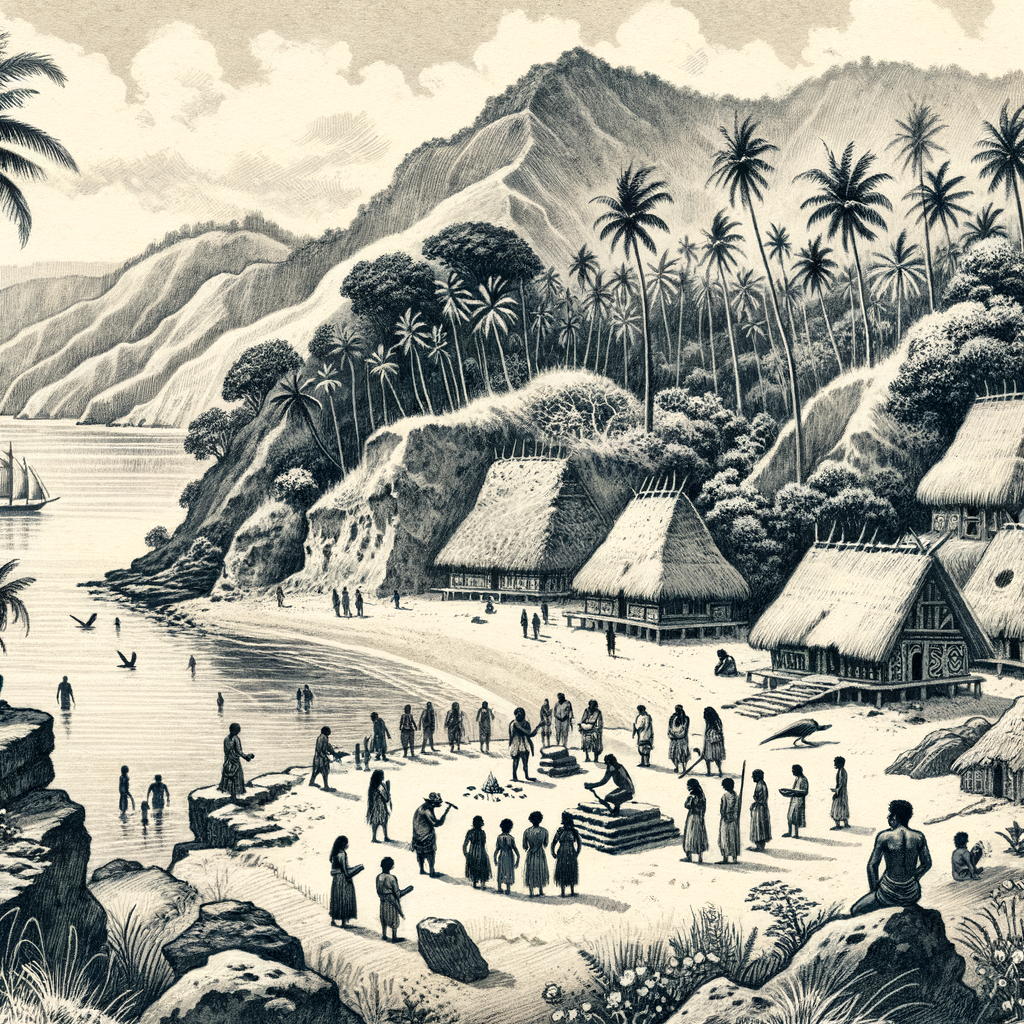
Moturiki Island holds an important place in understanding the early human settlement of Fiji and the wider Pacific. The island is home to some of the oldest known archaeological findings in the country. Most notably, the Lapita people—considered the ancestors of many Pacific Island cultures—once lived on Moturiki, leaving behind distinctive pottery shards and ancient burial sites.
Archaeological excavations, particularly around the village of Naitabale, have uncovered Lapita ceramics dating back to around 900 BCE. These findings have offered valuable insights into the maritime migration patterns of early Austronesian settlers and their interactions with the environment. The burial of what is believed to be a high-status individual, known as “Mana,” has been one of the most remarkable discoveries on the island. The Lapita archaeological complex on Moturiki has made it a focal point for researchers interested in Pacific prehistory.
Life on the Island Today
Despite its historical importance, everyday life on Moturiki is relatively modest and rooted in tradition. Residents live in small coastal villages and practice subsistence farming and fishing. Due to the island’s lack of permanent freshwater sources, rainfall collection and water storage have become essential aspects of daily life. This water scarcity has posed health and hygiene challenges for the population in the past, although government and NGO-led initiatives have sought to improve water supply systems in recent years.
Education is available on the island through several primary schools, but for secondary education, students typically travel to nearby Ovalau or other islands. Similarly, healthcare options are limited, with basic nursing stations serving the local communities, while serious medical issues require evacuation to larger islands such as Viti Levu.
Points of Interest and Unique Facts
Although it might not host luxury resorts or bustling markets, Moturiki has several points of interest that captivate visitors and researchers alike:
– Moturiki is one of the few places in Fiji where Lapita-era artifacts have been found so close to modern-day villages, allowing locals to actively participate in preserving their heritage.
– The nearby coral reefs offer excellent opportunities for snorkeling and diving, revealing vibrant marine life in a relatively undisturbed environment.
– The island has been the subject of multiple scientific studies due to its archaeological importance and the challenges posed by climate change and rising sea levels.
– Moturiki is sometimes cited in national discussions on climate resilience, as the island has had to address both drought conditions and the threat of cyclones in innovative community-led ways.
Legends and Mythology of Moturiki
Moturiki Island, like many places in Fiji, is steeped in indigenous folklore and legends passed down through generations. One of the most enduring legends speaks of the origin of the island’s name, “Moturiki.” According to local oral tradition, Moturiki was the name of a powerful ancestral chief who led his people across the seas to settle the island. His spiritual legacy is said to inhabit the land, and rituals are sometimes performed in his honor to ensure peace and prosperity for the villages.
Another story tells of a sacred cave located in the hills near Uluibau, which was believed to be the dwelling place of guardian spirits. Traditional priests, or bete, once conducted ceremonies in this cave to communicate with the spirit world, especially during times of drought, illness, or tribal conflict. Though much of the traditional knowledge has faded, elders on the island still recount these tales, ensuring they remain part of Moturiki’s cultural fabric.
Access and Conservation
Access to Moturiki Island is typically by small boat from Levuka, the old colonial capital of Fiji located on nearby Ovalau Island. The journey takes approximately 30 to 45 minutes, depending on weather and sea conditions. There are no paved roads or formal tourist infrastructure on the island, which contributes both to its charm and its challenges in receiving outside support or tourism revenue.
While there are no strict access regulations like those found on protected islands, community leaders and NGOs are working toward conserving the cultural and natural assets of Moturiki. Efforts include archaeological preservation projects, sustainable farming initiatives, and sanitation improvements to protect groundwater.
Conclusion
Moturiki Island stands as a testament to Fiji’s deep cultural roots and natural beauty. Though small in size and largely off the beaten path, it offers a profoundly rich experience for those interested in history, archaeology, and traditional island life. From ancient Lapita settlements to enduring legends of ancestral chiefs, Moturiki bridges the past and present in a way that few places in the Pacific can. As the island continues to navigate modern challenges, its resilience and heritage remain sources of pride and inspiration for both locals and visitors.