Mou Waho Island: A Hidden Gem in New Zealand’s Southern Alps
Mou Waho Island, nestled in the heart of Lake Wānaka in New Zealand’s South Island, is one of the country’s most striking and unique natural wonders. Located within Mount Aspiring National Park, the island lies about 15 kilometers from the town of Wānaka and is accessible only by boat. With its stunning views, rich flora and fauna, and intriguing geology, Mou Waho is both a scientific treasure and a place of serene beauty.
Geology and Geography
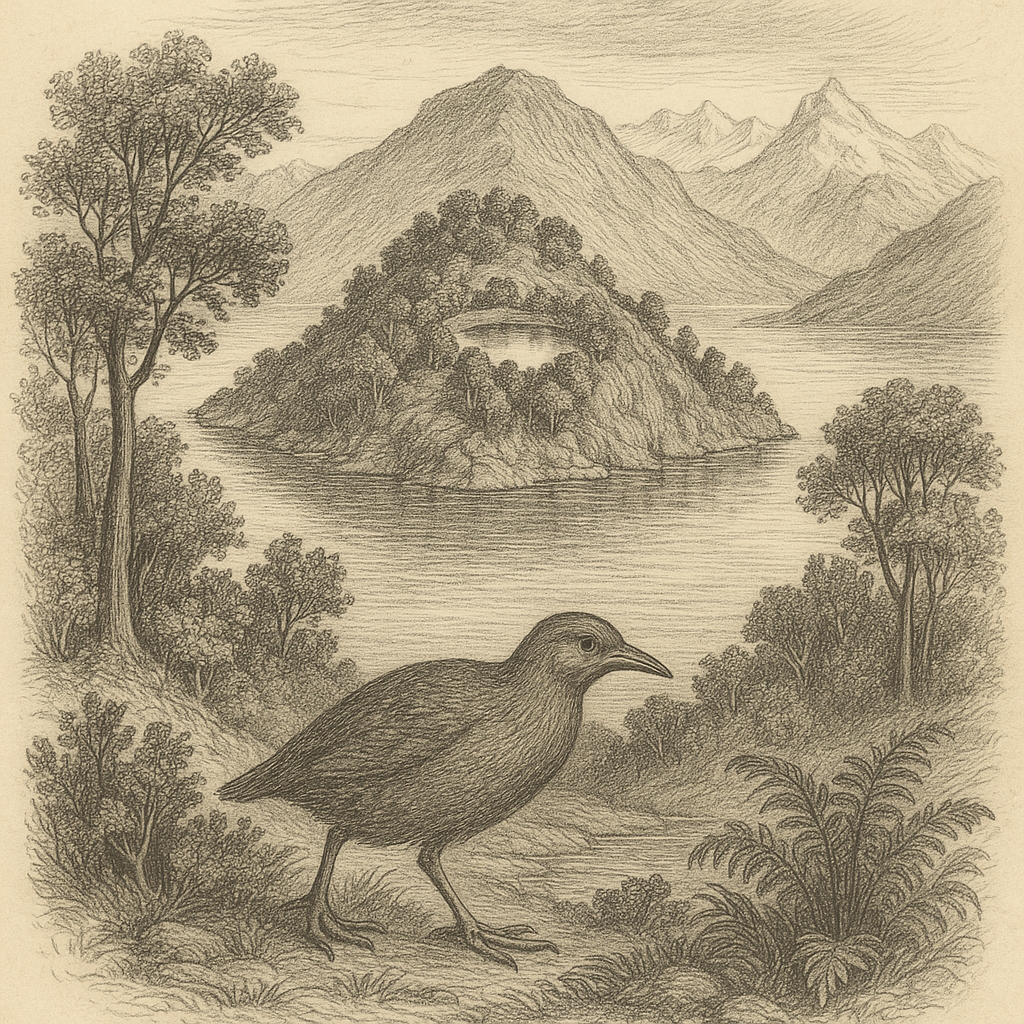
Unlike many islands that are volcanic in origin, Mou Waho is a glacially-carved island formed over 10,000 years ago during the last Ice Age. The surrounding region, part of the Southern Alps, features dramatic landscapes sculpted by ancient glaciers. Rising steeply from the waters of Lake Wānaka, the island reaches a height of 200 meters and encompasses native vegetation, rocky outcrops, and most famously, a small glacial lake called Arethusa Pool—perched above the main lake.
This distinctive geological feature earns Mou Waho the nickname “the island in a lake on an island in a lake on an island.” It is one of the rare locations in the world where such a phenomenon can be observed, making it a geological curiosity that draws both scientists and nature lovers.
Flora and Fauna
Mou Waho Island is notable for its native biodiversity, particularly because it is one of the few places in the region free of introduced predators like stoats, rats, and possums. As a result, it serves as a natural sanctuary for several endangered species. One of the island’s most beloved inhabitants is the buff weka, a flightless bird that was reintroduced in 2002 after being extinct on the mainland since the early 20th century.
The island is also home to diverse native plant species, including ancient mountain tōtara trees, coprosmas, and hebes. Thanks to conservation efforts led by the Department of Conservation (DOC) and local tourism operators like Eco Wanaka Adventures, Mou Waho has become a living testament to successful ecological restoration.
Access and Preservation
Mou Waho is accessible only by authorized boat tours, usually departing from Wānaka. There are no permanent human settlements or infrastructure on the island, and its status as part of Mount Aspiring National Park ensures strict conservation protocols. Visitors are required to follow Leave No Trace principles, and only guided tours are allowed to ensure minimal ecological impact.
A popular trail leads visitors up to Arethusa Pool, offering panoramic views of Lake Wānaka and the surrounding Southern Alps. Wooden benches and interpretation panels help visitors understand the island’s ecological importance and the history of conservation efforts.
Interesting Facts
Mou Waho holds several fascinating distinctions:
– The presence of Arethusa Pool makes it a rare occurrence of a “lake on an island in a lake on an island in the sea.”
– Sir David Attenborough visited Mou Waho and was reportedly enchanted by its unspoiled beauty and rare wildlife.
– From the top of the island, visitors can enjoy 360-degree views that include snow-capped peaks and remote high-country stations.
– The name “Mou Waho” comes from Te Reo Māori and translates roughly to “outer island,” indicating its isolated position in the middle of the lake.
The island also plays an important role in education and ecological tourism. Many school groups and nature tours visit to learn about New Zealand’s unique ecosystems and conservation work.
Legends and Cultural Significance
Mou Waho Island holds cultural significance for the local Māori iwi (tribes), particularly Ngāi Tahu, the principal iwi of the southern region. Although no specific legends are widely documented, oral traditions speak of the island as a sacred place, used historically as a lookout due to its elevated position and strategic vantage point.
Some believe the still waters of Arethusa Pool hold spiritual significance, reflecting the natural balance between the land and the heavens. The pool’s near-perfect symmetry and serene surface are said to mirror the soul and encourage quiet reflection. According to local oral stories, ancient Māori tohunga (spiritual leaders) would journey to Mou Waho to seek visions and guidance.
Conclusion
Mou Waho Island is far more than just a beautiful outcrop in Lake Wānaka; it stands as a symbol of New Zealand’s rich natural heritage and successful conservation efforts. Its unique geological formation, rich ecosystem, and deep cultural resonance make it a destination like no other. Serving both as a haven for endangered species and a living classroom for ecological education, Mou Waho continues to inspire awe and respect in all who visit.
Whether admired for its mysterious lake within a lake, its rare wildlife, or its tranquil beauty, Mou Waho Island remains a jewel of the Southern Alps—carefully protected, deeply revered, and utterly unforgettable.