Oeno Island: A Remote Paradise in the South Pacific
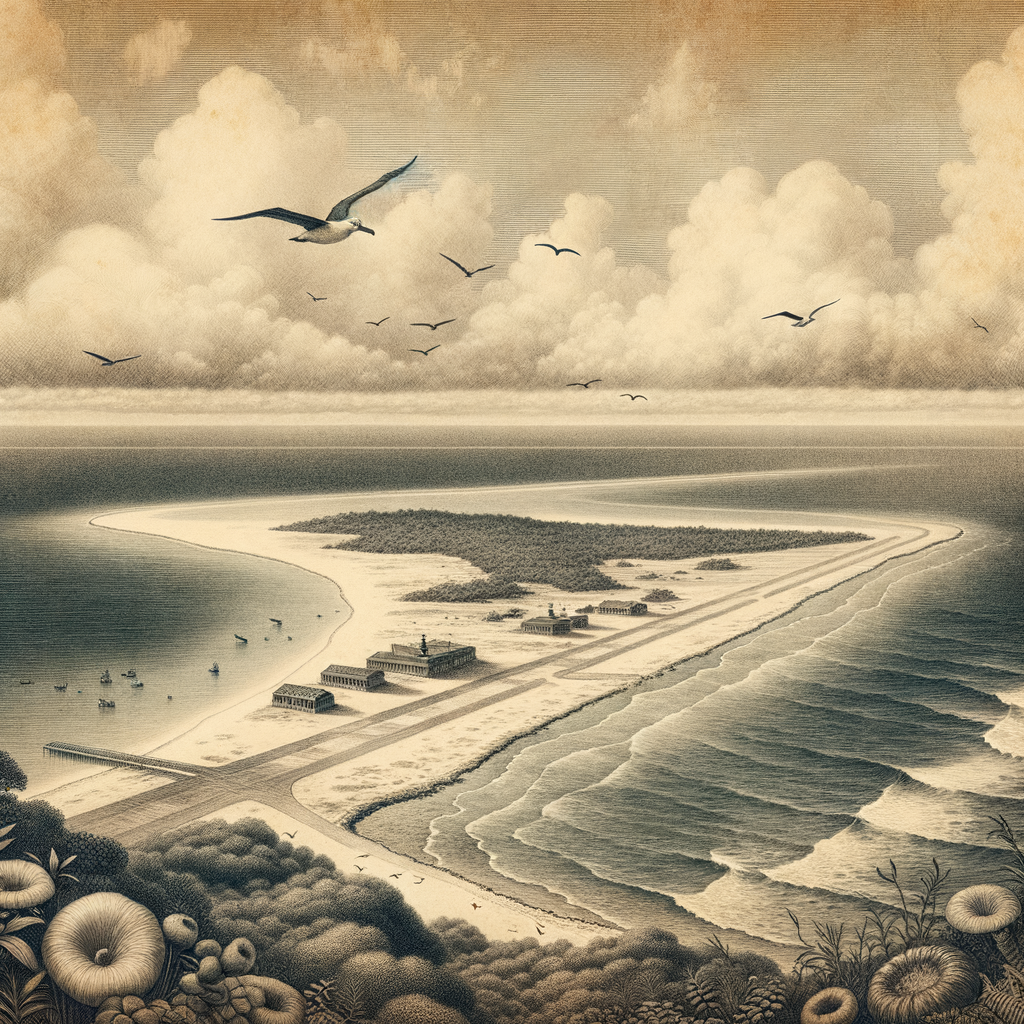
Oeno Island, an uninhabited coral atoll in the South Pacific Ocean, lies some 143 km northwest of Pitcairn Island. This hidden gem within the Pitcairn Islands group, a British Overseas Territory, is known for its pristine natural beauty, unique biodiversity, and mysterious legends passed down through generations. Despite its seclusion and small size, Oeno Island carries a fascinating story shaped by nature and human curiosity.
Geographical Location and Formation
Oeno Island is situated at approximately 23° 55′ south latitude and 130° 44′ west longitude. Like many islands in the South Pacific, it is of volcanic origin, yet unlike mountainous islands, Oeno is an atoll—a ring-shaped coral formation that encircles a central lagoon. This low-lying atoll measures around 5 kilometers in diameter and encloses a shallow, turquoise-blue lagoon roughly 3.5 km across.
Formed atop a dormant volcanic base, Oeno’s coral ring was created over millennia as colonies of corals grew around the island’s ancient volcanic summit. As the volcano subsided into the ocean floor due to tectonic activity, the coral continued to grow upward, maintaining its presence just above sea level. This classic example of atoll formation illustrates the dynamic geological history of the Pacific seafloor.
Ecology and Wildlife
Due to its isolation and distance from human development, Oeno Island remains a sanctuary for wildlife. The surrounding reef provides critical habitat for marine life, while the island itself serves as an important nesting site for seabirds. Sooty terns, Murphy’s petrels, frigatebirds, and red-tailed tropicbirds are among the many bird species that use the island for breeding.
The vegetation on Oeno Island is primarily composed of low-lying, salt-tolerant plants such as coconut palms and scrubby vegetation like naupaka and scaevola. The interior of the island is marked by sandy dunes and thick patches of underbrush, which offer shelter and nesting areas for birds and crabs.
In an effort to preserve its delicate ecosystem, the Pitcairn Island Council, along with conservation organizations such as the RSPB (Royal Society for the Protection of Birds), have conducted programs to remove invasive species such as rats, which pose a threat to nesting birds.
Human Interaction and Access
Oeno Island remains uninhabited, with no permanent residents or built infrastructure. It is occasionally visited by the residents of Pitcairn Island, who make trips annually in January during what is known as “Oeno Day,” a traditional island event when families sail to the atoll for holiday and community gatherings.
Getting to Oeno Island, however, is no simple journey. Access is restricted due to its fragile ecosystem and remote location. Boats must navigate treacherous reef channels, and landing can only occur during favorable tidal conditions. Visitors are usually researchers, conservation teams, or accompanying Pitcairn Islanders during their communal visits.
Because of the difficulty of access and the lack of economic value, Oeno has been spared the fate of some other South Pacific atolls, which have experienced exploitation or development. This allows Oeno to retain much of its original character and ecological integrity.
Interesting Facts About Oeno Island
Oeno Island may be tiny and secluded, but it offers a multitude of intriguing insights.
– Oeno was first discovered by European seafarers in 1824 and named after the American whaling ship “Oeno,” whose captain sighted the island.
– Despite its challenging navigation, Oeno is surrounded by beautiful coral reefs that are considered to be among the healthiest in the Pacific.
– The atoll has served as a sought-after rare DXCC (Amateur Radio) location. Several international amateur radio expeditions have been conducted here, often requiring significant logistical effort.
– Due to its unique position and marine biodiversity, the island is part of one of the world’s largest marine protected areas, designated in 2016 by the British government as the Pitcairn Islands Marine Reserve.
– The island is occasionally mistaken for a tropical paradise in shipwreck fantasies due to its palm trees, white sands, and dreamy blue lagoon—yet there is no source of freshwater.
Legends and Myths Surrounding Oeno Island
While factual understanding of Oeno is rooted in geological and biological studies, the human imagination has long woven stories around this enigmatic atoll. Among the Pitcairn Islanders—descendants of the famous HMS Bounty mutineers—Oeno is sometimes viewed as a sacred or spiritual place. Old oral traditions speak of spirits that dwell in the palm groves and sea caves, guardians of the atoll, often respected during visits.
One local tale passed down by elders tells of “Te Varua o Oeno,” or the Spirit of Oeno, said to appear as a glowing orb of light over the lagoon during certain moon phases. Believed to be the spirit of a sailor lost at sea in centuries past, this apparition is said to serve as both a warning and a guide—protecting the island from malicious intent and misfortune.
Another common element in Pitcairn folklore is the “singing sands” of Oeno. During calm, windless nights, some islanders claim to hear faint melodic sounds emanating from the dunes. Scientists attribute these phenomena to the movement of sand grains against each other, known as “booming dunes,” but many locals prefer to believe it’s the island whispering ancient secrets.
Conclusion
Oeno Island exemplifies the spirit of remote, untouched nature and cultural mystique found only in a few places on Earth. With its fragile ecosystems, important role in seabird conservation, and the legends that swirl around its lagoons and dunes, Oeno is more than just a dot on the map—it is a testament to the power of isolation to preserve wonder. For travelers of the mind, scientists, and conservationists, it serves as both a real place and a symbol of our planet’s hidden, magical corners.
In a world ever more connected and altered by human touch, Oeno Island offers a rare glimpse into what nature might look like when left to its own rhythms—quiet, mysterious, and enduringly beautiful.