Introduction
Okunoshima Island, often referred to as “Rabbit Island,” is a small island in the Inland Sea of Japan, located in Hiroshima Prefecture. Despite its charming nickname today, this island has a dark and complex history. Known for its population of hundreds of wild rabbits that roam freely, Okunoshima attracts visitors not just for its fluffy inhabitants but also for its intriguing past and natural beauty. This remote island offers a blend of wildlife, history, and mythology, making it a unique destination unlike any other in Japan.
Location and Geography
Okunoshima is situated in the Seto Inland Sea between the cities of Hiroshima and Osaka, part of Takehara city in Hiroshima Prefecture. The island covers an area of just 0.7 square kilometers and can be reached by ferry from Tadanoumi Port or Omishima Island. Surrounded by clear blue waters and lush greenery, Okunoshima has a warm-temperate climate with mild winters and hot, humid summers, ideal conditions for both wildlife and tourism. The terrain is relatively flat, with coastal paths and forested interiors that offer easy exploration on foot or bicycle.
Historical Background
Though its current reputation revolves around rabbits and peaceful scenery, Okunoshima was once shrouded in secrecy due to its role during World War II. Between 1927 and 1945, the island was used for the production of poison gas by the Imperial Japanese Army. Its existence was removed from maps, and workers were sworn to secrecy. The gas produced here—including mustard gas and other chemical weapons—was used in warfare by the Japanese military, despite international prohibitions.
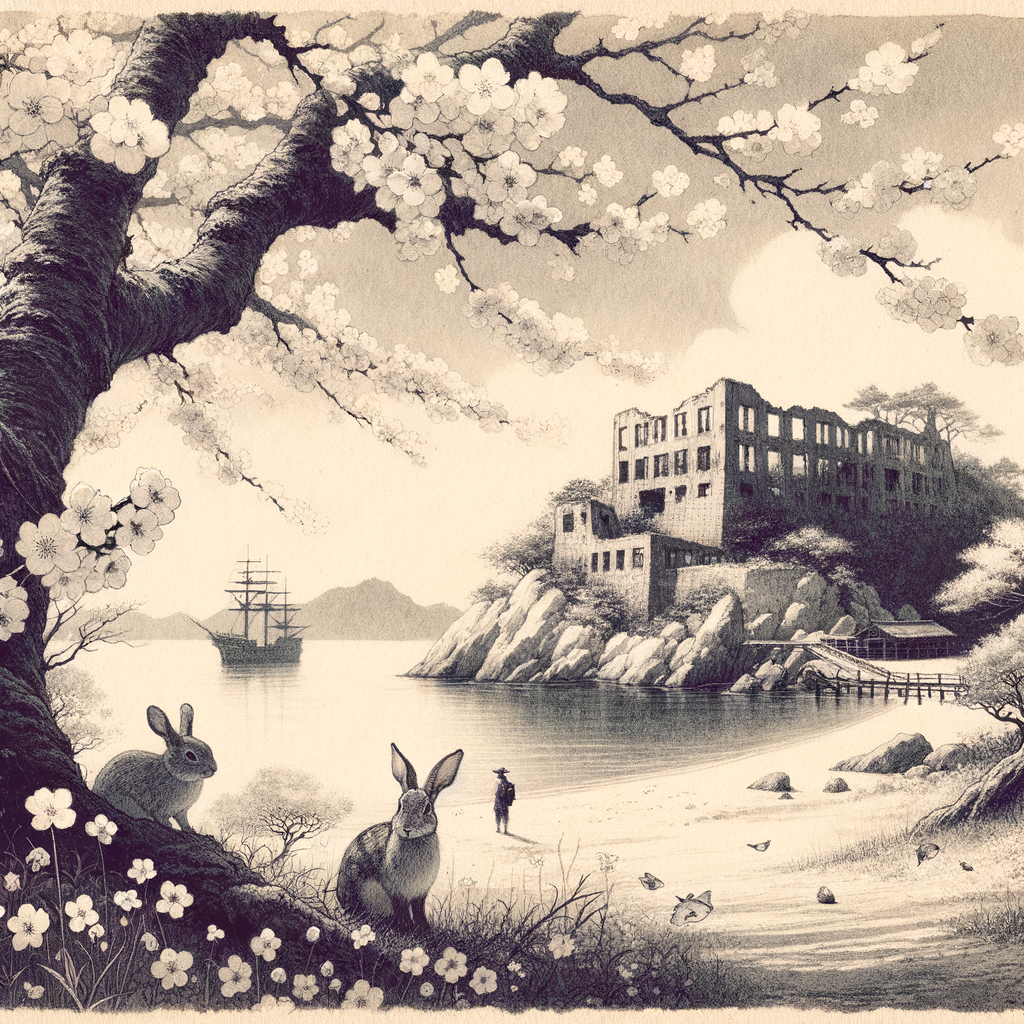
Today, remnants of military buildings and storage units still exist, offering a silent testimony to its grim past. The Poison Gas Museum on the island educates visitors about this dark chapter in history and promotes the pursuit of peace and the abolition of chemical weapons.
Flora and Fauna
The most iconic feature of Okunoshima’s ecology is its large population of tame rabbits. The origin of these rabbits is a matter of some debate, but they are now an essential aspect of the island’s identity. Tourists often bring vegetables and rabbit-friendly treats to feed them, and in return, the animals freely approach visitors, unafraid and curious.
Apart from the rabbits, the island boasts a variety of flora, including pine trees, cherry blossoms, and tropical foliage that change beautifully with the seasons. Birds, insects, and small mammals also share the landscape, creating a rich but delicate ecosystem.
Interesting Facts
– Okunoshima is car-free, with transportation limited to bicycles and walking, preserving the tranquility of the island.
– The rabbits have no natural predators on the island, allowing their population to flourish.
– Some believe the current rabbit population descends from a group released by schoolchildren in the 1970s. Others suggest they were released after the military abandoned the island post-WWII.
– Despite its small size, Okunoshima attracts thousands of visitors each year, especially during Japan’s holiday seasons.
– The Poison Gas Museum opened in 1988 and is one of the few institutions that actively documents Japan’s wartime development and use of chemical weapons.
– The island was depopulated after chemical production stopped, but it has since been transformed into a peaceful tourist destination with a hotel, campsite, and multiple walking trails.
Legends and Folklore
Although primarily recognized for its 20th-century history and unusual rabbit population, Okunoshima is not without its own share of legends and eerie tales. Some locals and visitors believe that the island is haunted due to its wartime past. Stories circulate about ghostly apparitions in the abandoned military facilities, especially at night. There are tales of soldiers who died from chemical exposure still trying to communicate through whispers and cold breezes.
In addition, folktales suggest that the island was once home to subterranean spirits long before the war era. According to one traditional story, the island’s isolated location made it a mystical place where lost souls roamed freely, making spiritual purification rituals necessary for visitors in olden times.
Despite—or perhaps because of—these legends, many visitors report an uncanny sense of serenity on the island, as though nature is consciously reclaiming and healing a scarred land.
Access and Visitor Information
Visiting Okunoshima is relatively straightforward but requires some planning. The island is accessible via a 15-minute ferry ride from Tadanoumi Port, which itself is reachable by train from major cities like Hiroshima. There are accommodations on the island, including the Kyukamura Okunoshima National Park Resort, which offers meals, hot springs, and guided tours.
Tourists are encouraged to bring rabbit-safe food (purchased at ports or special shops) and adhere to guidelines to avoid harming the animals. Feeding is allowed, but petting and chasing the rabbits is discouraged as it stresses them.
Due to its historical significance and biological sensitivity, the Japanese government and environmental groups maintain a close watch on the island’s ecosystem, urging visitors to respect both its natural and historical elements.
Conclusion
Okunoshima Island is a place of contrasts: a serene haven now, but once a center of clandestine military activity. With its unique mix of furry charm, war-time history, and spiritual mystery, the island offers more than just a day trip — it provides a lens into Japan’s complex relationship with its past and a glimpse into how nature can transform and heal wounds left by conflict. Whether you come for the rabbits, the ruins, or the legends, Okunoshima ensures a truly unforgettable experience.