Saint George Island: A Remote Gem of the Bering Sea
Saint George Island, part of the remote Pribilof Islands in the Bering Sea, is a windswept outpost of spectacular natural beauty and historical intrigue. Situated about 750 miles west of Anchorage, Alaska, this rugged island serves as one of the most isolated inhabited locations in the United States. Known for its abundant wildlife, dramatic coastal geology, and deep-rooted Aleut heritage, Saint George Island is a place where nature and legend intertwine.
Geography and Location
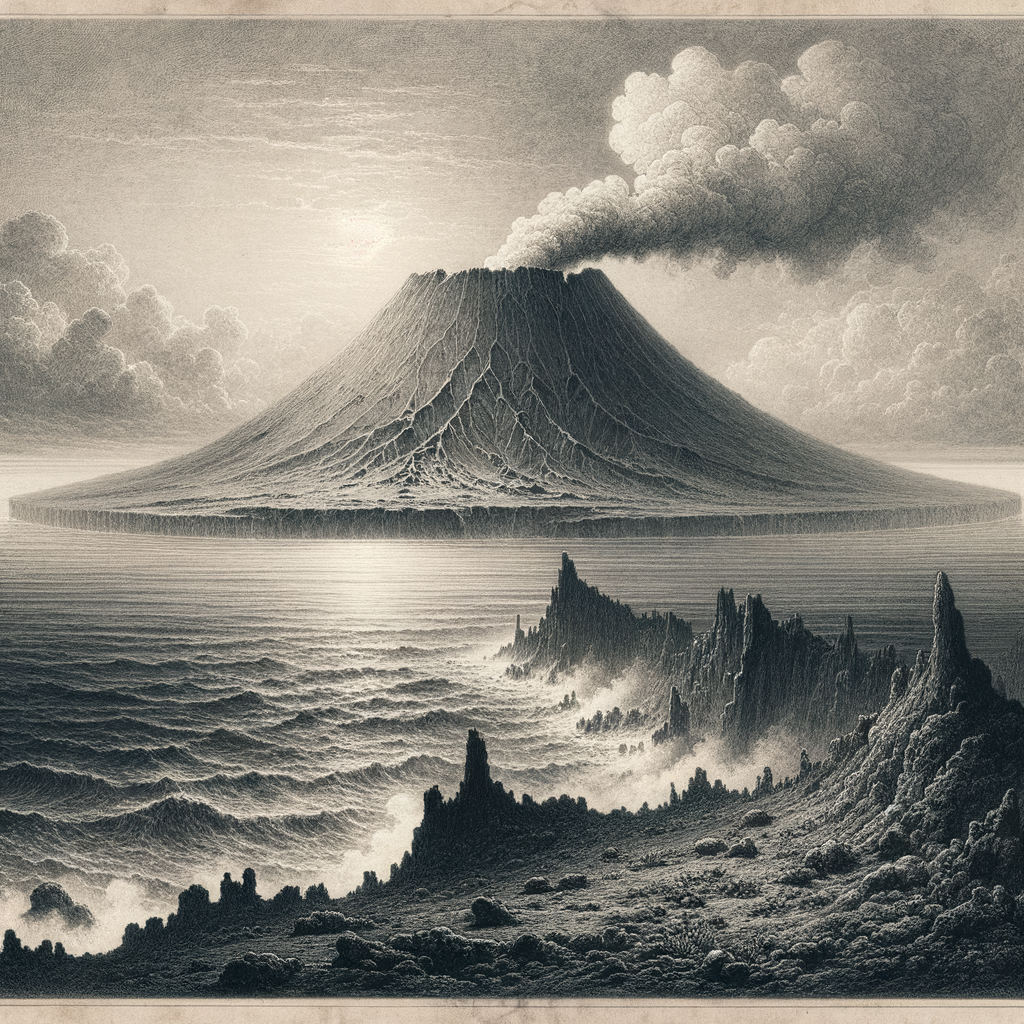
Saint George Island lies approximately 40 miles south of its sister island, Saint Paul, and about 300 miles from the western coast of mainland Alaska. Encompassing an area of roughly 90 square kilometers (35 square miles), Saint George is the second largest of the Pribilof Islands. The island is of volcanic origin, formed millions of years ago by undersea volcanic activity linked to the tectonic forces between the North American and Pacific Plates.
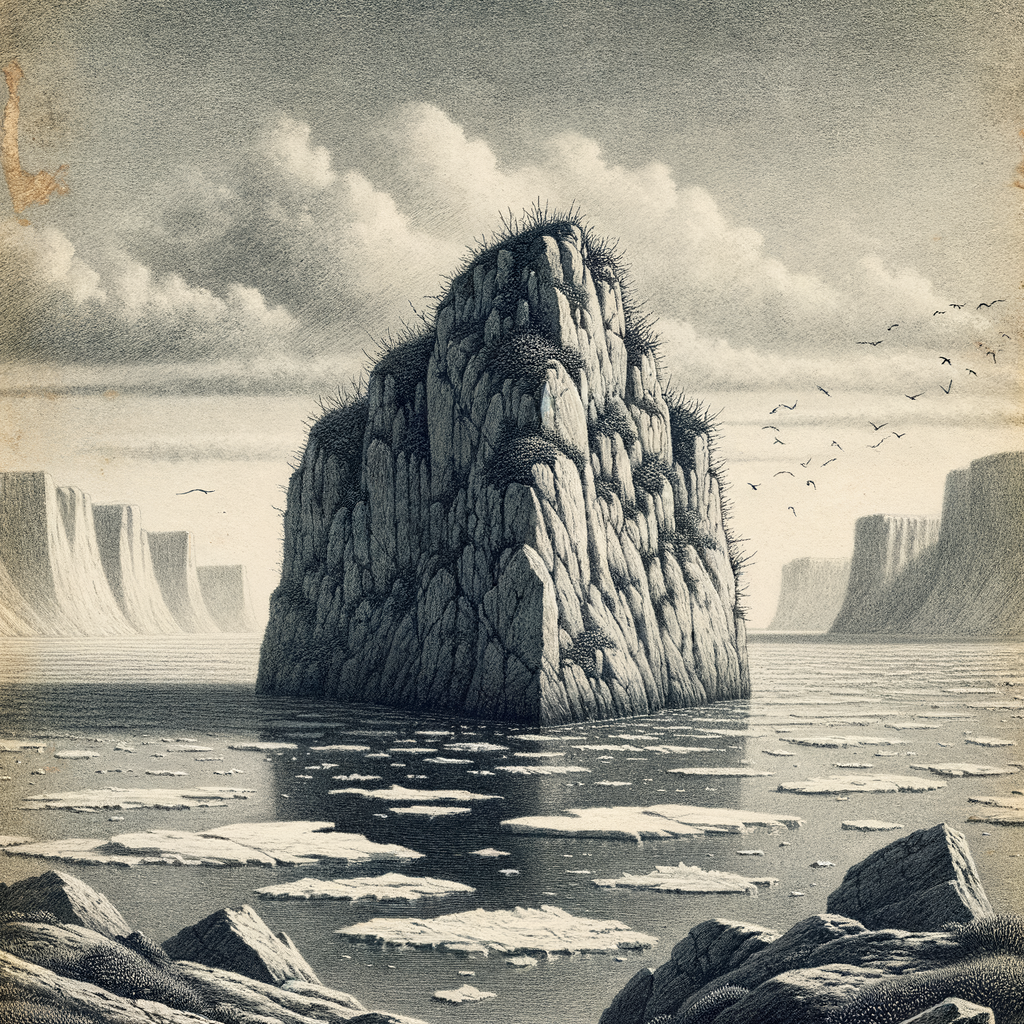
The terrain is characterized by high cliffs, rolling tundra, and dramatic sea stacks. The island’s geography lends itself to extreme isolation—exacerbated by stormy weather and limited transportation options. The only way to reach Saint George is via small aircraft or infrequent supply ships that serve the island community.
Flora and Fauna
Despite its harsh environment, Saint George Island boasts an ecosystem teeming with life. The cliffs and rocky beaches serve as nesting grounds for over two million seabirds during the summer months, including murres, puffins, and kittiwakes. The island is also home to one of the world’s largest breeding colonies of northern fur seals, a species that has played a central role in the island’s history.
In addition to marine mammals and birdlife, the island’s tundra supports unique plant species adapted to sub-Arctic conditions. Mosses, lichens, and wildflowers dot the landscape during the brief summer, providing food and shelter for a small but diverse range of insect life.
Human Settlement and Culture
Saint George Island has been inhabited for centuries, primarily by the Unangan (Aleut) people. Russian fur traders forcibly relocated Aleut families from the Aleutian Chain to the Pribilof Islands in the 18th century to exploit the rich fur seal populations. The legacy of this displacement and colonization is still evident in the island’s culture and language.
Today, the population of Saint George hovers around 100 residents, the majority of whom are Alaska Natives. The community speaks a mix of English and Aleut and maintains cultural practices such as traditional dance, subsistence hunting, and skin-sewing. The island is governed by local tribal and city councils, and the residents rely on a tight-knit communal lifestyle to thrive in the remote environment.
Legends and Folklore
The remoteness and elemental power of Saint George Island have given rise to numerous legends that continue to resonate with the island’s indigenous inhabitants. One persistent legend tells of a “sea woman” or spirit who dwells in the cliffside sea caves and lures fishermen into treacherous waters. Elders advise young men to always carry a talisman when going out to sea to appease her spirit.
Another tale speaks of a mysterious light that appears on foggy nights near Tolstoi Point—believed to be the spirit of a long-lost Russian monk who wandered the island in penance. Sightings are said to herald changes in weather or fortunes in the seal harvest.
These stories, blending Christian and indigenous elements, serve both as cultural memory and moral instruction, reinforcing respect for nature and the unseen forces believed to dwell in it.
Interesting Facts
– Saint George Island is one of the foggiest places in the United States, with an average of over 300 foggy days per year.
– The island’s cliffs rise to over 900 feet in some areas, making them among the highest sea cliffs in the Aleutians.
– Saint George is home to the largest population of red-legged kittiwakes in the world, a bird species nearly endemic to the Pribilofs.
– The Pribilof Islands, including Saint George, were once known as the “Galápagos of the North” due to their unique biodiversity.
– In 1890, a tragic maritime disaster occurred near the island when the schooner Yum Yum was wrecked, leading to tales of ghostly apparitions along the coast.
– The economy of the island is largely based on federal employment, local governance, and seasonal subsistence activities such as fishing and gathering bird eggs.
Access and Preservation
Much like other remote islands, visiting Saint George requires careful planning and permission. Travel to the island is typically via chartered flights from Anchorage, dependent on weather conditions. Tourists and researchers must coordinate with local authorities and often require permits to conduct scientific or cultural work on the island.
Conservation efforts are ongoing to protect native wildlife species and fragile ecosystems. Introduced species and historical overharvesting had put pressure on the environment in the past, but today, collaborative efforts between the indigenous community and federal agencies aim to restore ecological balance.
A Place Beyond Time
Saint George Island remains a location steeped in isolation and mystery. With its craggy cliffs, ever-present mists, and cultural richness, it is a place where time seems to move more slowly. For scientists, it is an open laboratory of species adaptation and ecological interaction. For the Aleut people, it is a sacred homeland bound by stories, spirits, and survival.
Though small in size and remote in location, Saint George Island stands as a powerful testament to resilience—both human and environmental—in one of the planet’s most challenging yet captivating regions.