Remote Islands

Exploring the World’s Most Remote Islands

Settlement history of Heard Island

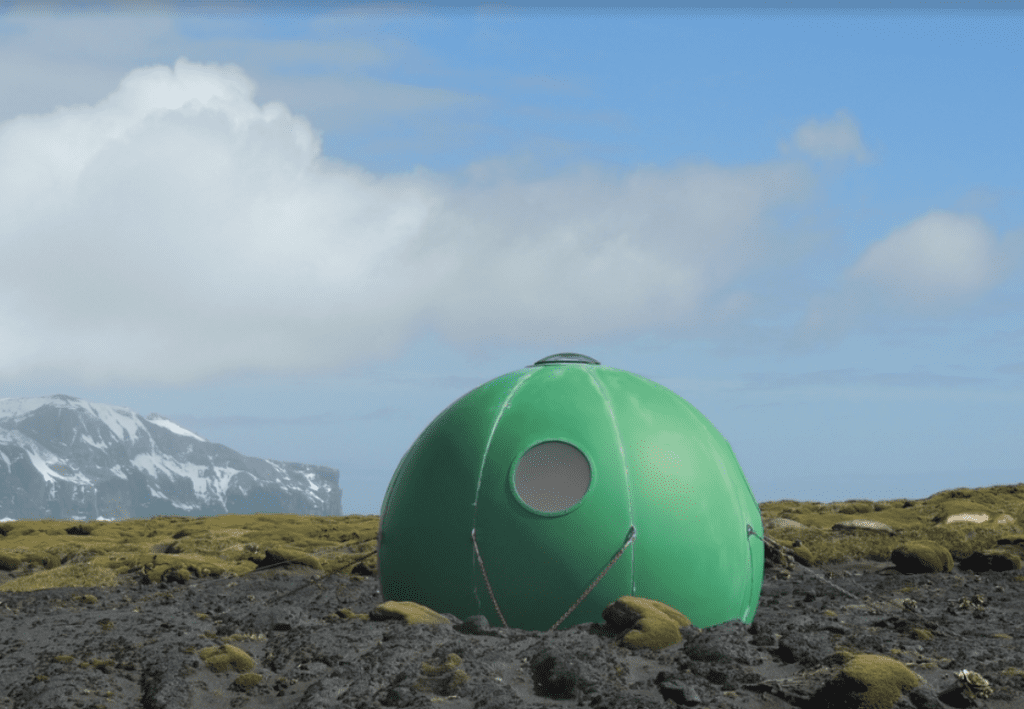
The island has a rich history of human activity, dating back to the early 19th century. The first known sighting of the island was in 1833 by a British naval captain named Peter Kemp. He named the island after his ship, the HMS Heard.

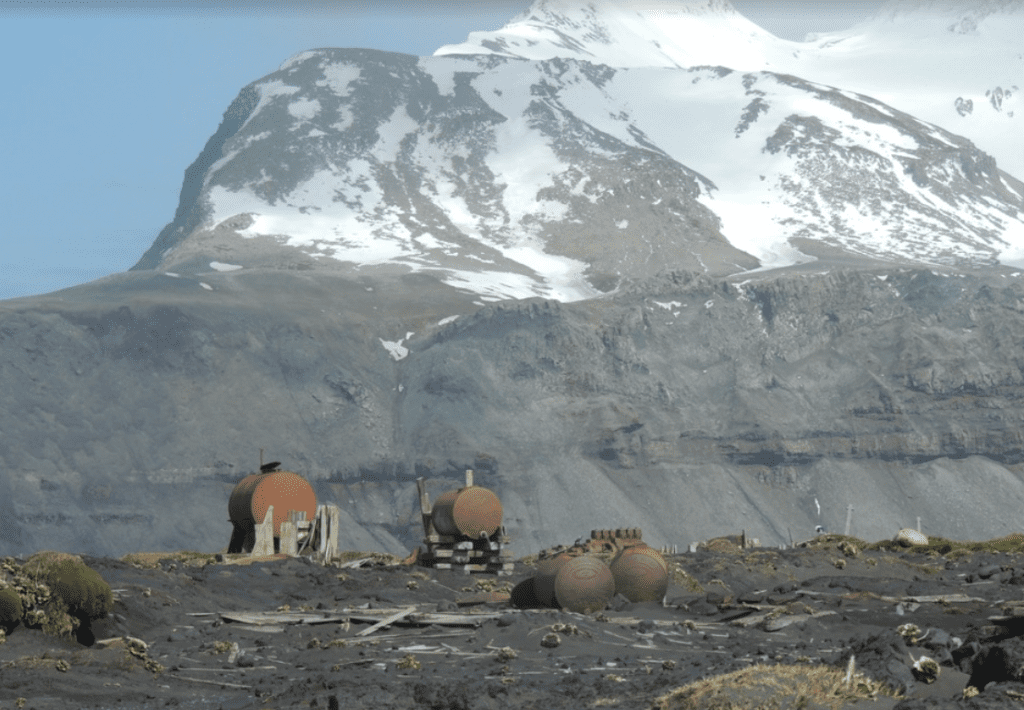
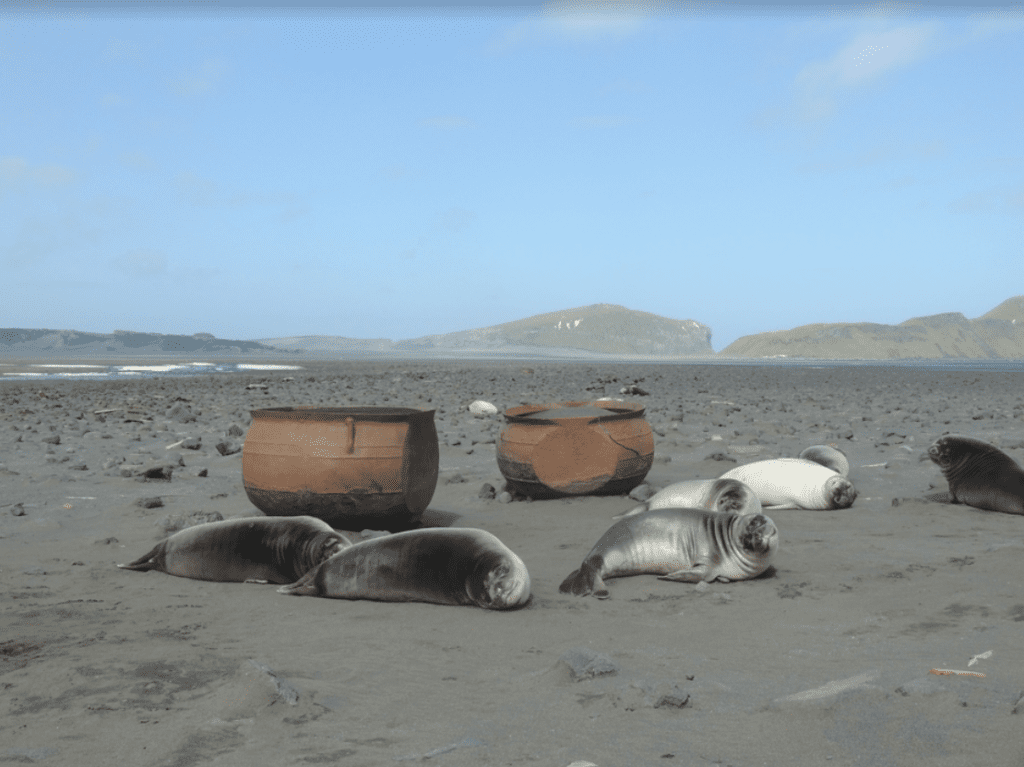
In the following decades, the island was visited by sealers, whalers, and other explorers. In 1881, the island was officially annexed by the United Kingdom and was used as a base for whaling and sealing operations, much like South Georgia in the Atlantic. In 1947, Australia claimed the island as part of its Antarctic territory, and it has been jointly administered by the two countries ever since. Today, Heard Island is a World Heritage site, alongside fellow subantarctic island Macquarie Island, and is protected as a nature reserve, with limited access allowed for scientific research and environmental monitoring.
Do you like my work? Buy Me A Coffee

More Islands to Explore

  • Tracing the quiet transformation of Surtsey into habitat

    Tracing the quiet transformation of Surtsey into habitat

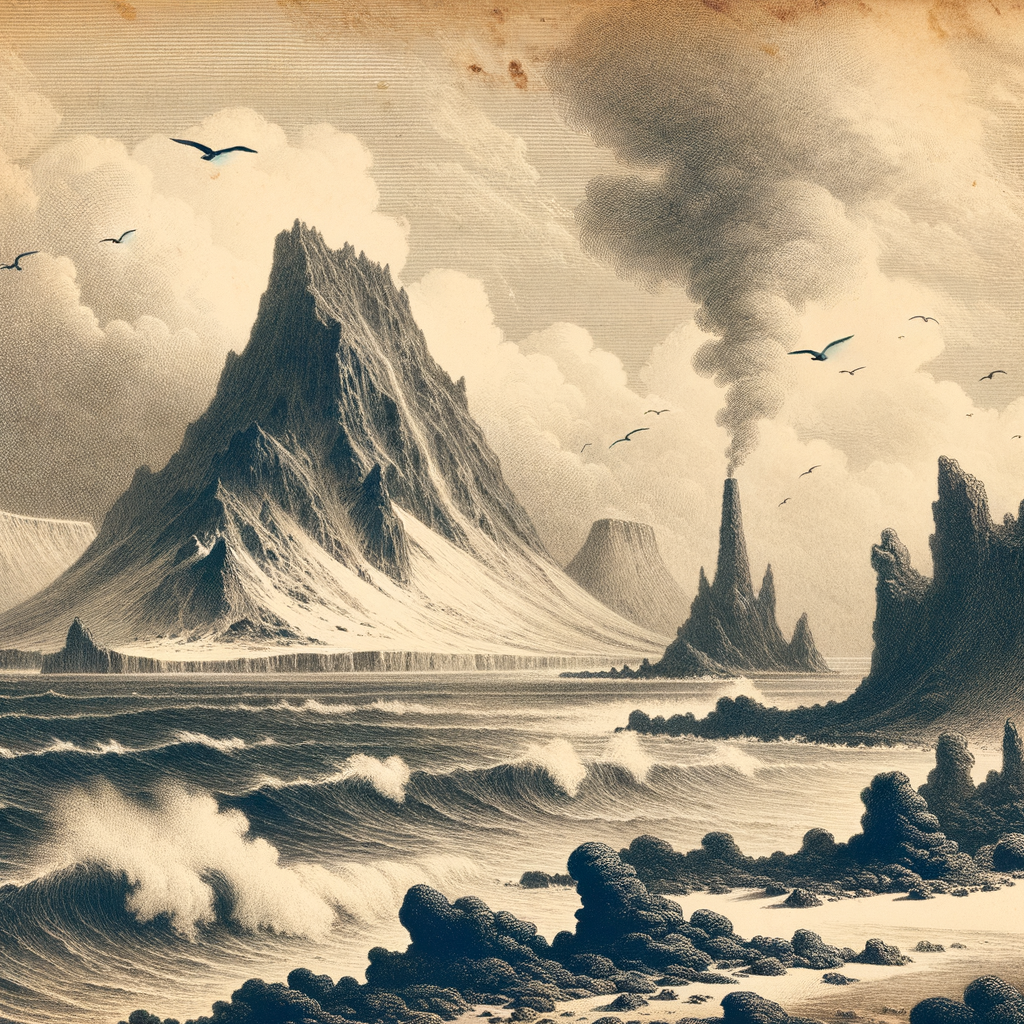
    It began as an argument between fire and water, witnessed in real time. In November 1963, south of Iceland in the Vestmannaeyjar archipelago, the North Atlantic heaved, darkened, and broke open. Columns of ash and steam climbed into the winter sky as a submarine eruption forced its way above the surface, building land where there…

    Read more

  • Coral resurgence and legacy debris complicate Jarvis Island recovery

    Coral resurgence and legacy debris complicate Jarvis Island recovery

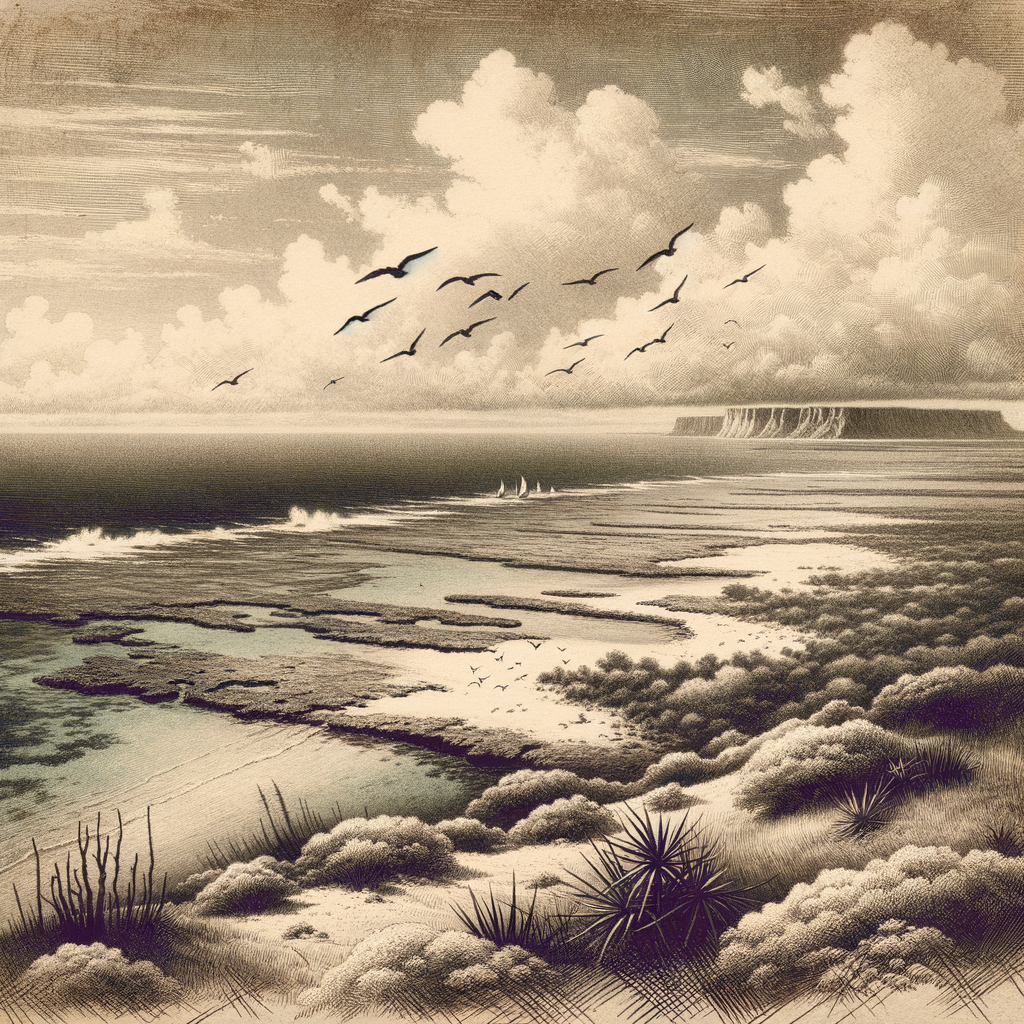
    Nothing about this place invites arrival. A low strip of coral and rubble breaks the Pacific almost on the Equator, far south of Hawaii and far from regular sea lanes, without a harbor, without fresh water, without even the dramatic relief that helps many remote islands announce themselves. Jarvis Island is difficult to see, difficult…

    Read more

  • A fragile ecosystem on Moffen Island reveals Arctic resilience

    A fragile ecosystem on Moffen Island reveals Arctic resilience

    At the far northern rim of the Svalbard archipelago, where charts begin to look spare and the sea behaves like weather more than water, Moffen Island lies as a low ring of sand and shingle beyond 80 degrees north. It is less a dramatic landmass than a pale interruption in the Arctic Ocean: flat, exposed,…

    Read more


Posted

in

by

Comments

One response to “Settlement history of Heard Island”

  1. […] its remote location, HIMI has a rich history of human activity. The islands were first discovered in the early 19th century and have been visited by sealers, […]