St. George Island: A Hidden Gem in the Gulf of Mexico St. George Island, a narrow barrier island stretching along Florida’s panhandle on the Gulf of Mexico, remains one of the most secluded and unspoiled coastal destinations in the United States. Known for its pristine beaches, diverse wildlife, and low-key charm, the island is a favorite for those seeking a tranquil escape, far from the hustle of crowded tourist hotspots.
Geographical Location and Physical Features
St. George Island is located in Franklin County, Florida, approximately 75 miles southwest of Tallahassee. Separated from the mainland by Apalachicola Bay, it spans about 28 miles in length but is only one mile wide at its broadest point. The island forms part of a string of barrier islands that protect the mainland from storm surges and erosion.
The island is accessible via a 4-mile-long bridge that connects it to the town of Eastpoint, Florida. The terrain of St. George Island is predominantly flat, characterized by wide sandy beaches on the Gulf side and marshlands and pine forests on the bay side. The surrounding waters, especially the bay, provide an important ecological habitat rich in marine and bird life.
Climate and Natural Environment
St. George Island enjoys a humid subtropical climate, with hot summers, mild winters, and a significant amount of sunshine throughout the year. Rainfall is relatively abundant, especially in the summer months. This climate supports a variety of ecosystems on the island, including coastal dunes, pine flatwoods, and tidal marshes.
Thanks to its remote location and minimal development, St. George Island has retained much of its original ecosystem. It is home to many bird species, including ospreys, bald eagles, and a variety of shorebirds. The surrounding waters are teeming with fish, making it a popular destination for sport fishing. Dolphins, sea turtles, and even the occasional manatee can be spotted near its shores.
Notably, the island is part of the St. George Island State Park, which comprises over 2,000 acres of preserved land on the eastern end. The park offers hiking trails, campsites, and observation platforms, providing visitors intimate access to the island’s natural beauty.
History and Human Presence
Though largely undeveloped today, St. George Island has been known to humans for thousands of years. Native American tribes, such as the Apalachee, were believed to have inhabited or used the island seasonally long before European contact. During the Spanish colonization of Florida, the island remained largely untouched due to its remote and challenging terrain.
In modern times, St. George Island remained uninhabited until the 20th century. In the 1970s, the state of Florida began initiatives to preserve much of the island’s eastern section by establishing the state park. The western portion of the island gradually developed into a quiet residential area with vacation rentals, small businesses, and a few locally-run restaurants and stores.
Unlike many barrier islands that have succumbed to overdevelopment, St. George Island has managed to maintain a low-density, nature-centric community with strict building regulations and conservation efforts. Permanent residents are few, and tourism is geared towards eco-tourism and outdoor recreation.
Interesting Facts
St. George Island is often recognized for its stunning dark sky, making it an excellent location for stargazing. In fact, the island has become a destination for amateur astronomers due to the minimal light pollution.
The beaches of St. George Island have consistently ranked among the best in the United States. Dr. Stephen Leatherman, also known as “Dr. Beach,” has regularly included its beaches in his annual top beach rankings. The white quartz sand is soft and cool underfoot, and the gentle surf makes it ideal for families.
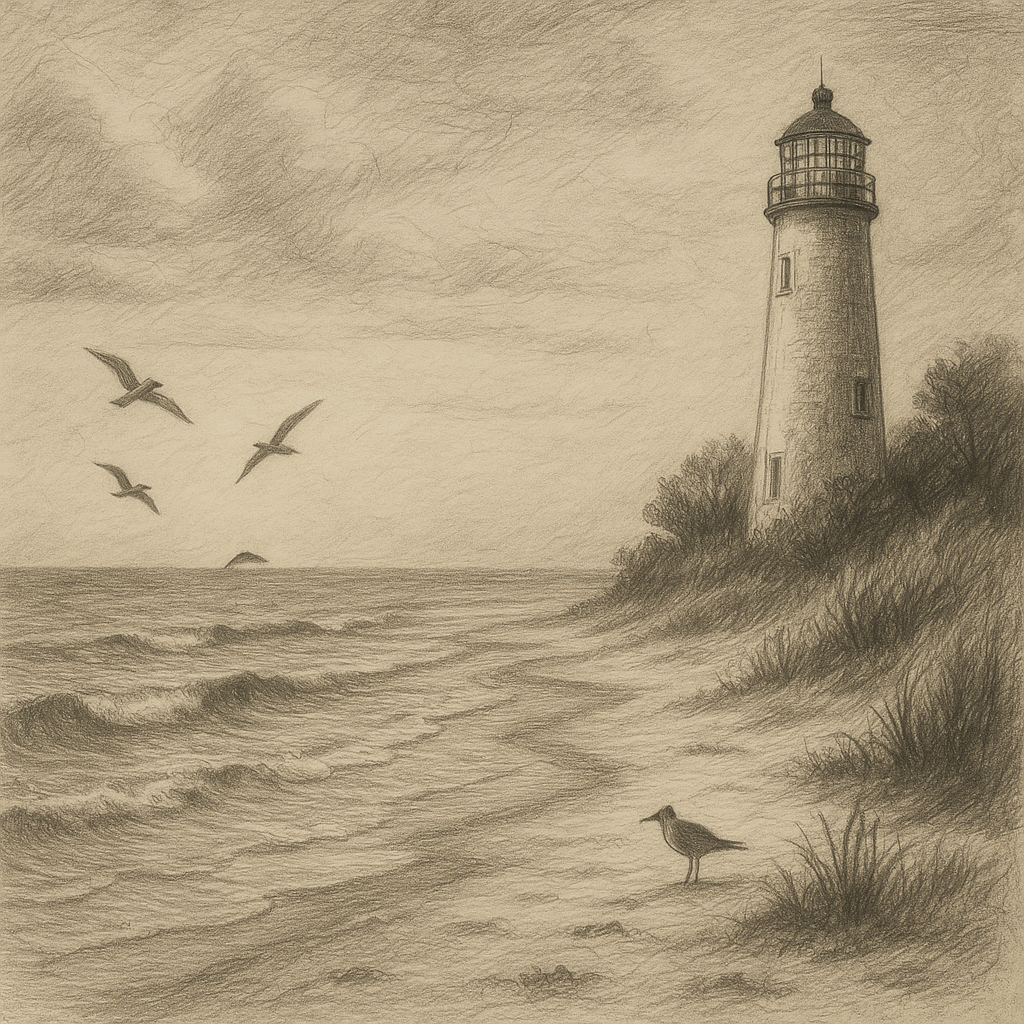
The island is also known for its iconic lighthouse — the St. George Island Lighthouse. Originally constructed in 1833 on the western tip of the island, it was destroyed and rebuilt multiple times due to storm damage. The current structure, faithfully rebuilt using original materials after its collapse in 2005, serves as a beacon for visitors and a local museum.
Legends and Folklore
As with many remote coastal locations, St. George Island has its share of legends and maritime folklore. One of the most enduring tales tells of pirate treasure buried somewhere on the island. According to legend, pirates who roamed the Gulf in the 18th and 19th centuries, including the notorious José Gaspar, are said to have used the island as a hideout, leaving behind hidden troves of gold and silver.
Other stories speak of ghostly apparitions seen near the lighthouse during stormy nights. Local lore suggests these spirits belong to sailors who perished in shipwrecks in the shallow, treacherous waters off the coast. The unlit, rocky shoals around the island earned it a reputation among mariners as a dangerous stretch of the Gulf, contributing to its spooky mystique.
Additionally, some say that the island emits a mysterious hum at night. While scientists attribute the sound to wind patterns or shifting sands, long-time residents and visitors swear it’s something more supernatural — a whisper from the past carried on the evening breeze.
Access and Preservation
St. George Island can be accessed via State Road 300 across the Bryant Patton Memorial Bridge from Eastpoint, Florida. There is no airport on the island, and the nearest regional airport is in Apalachicola. This relative inaccessibility has helped preserve the island’s laid-back atmosphere and pristine environment.
Visitation is encouraged, but with respect for the island’s fragile ecosystems. Dogs are allowed on the beach, a rarity in Florida, but owners are expected to follow strict guidelines. Special permits are required for any scientific research or large group activities on the state park land.
Organizations such as the St. George Island Volunteer Turtlers work year-round to protect nesting sea turtles and educate the public. Community efforts aim to balance recreational use with wildlife conservation and ecological restoration.
A Coastal Sanctuary Worth Discovering
St. George Island continues to enchant visitors with its untouched landscapes, serene ambiance, and captivating stories. Whether drawn by the allure of its natural beauty, the peaceful rhythm of life, or the whispered legends of buried treasure and ghostly sailors, the island stands as a testament to the magic of wild, protected places.
Far removed from towering resorts and crowded boardwalks, St. George Island offers something increasingly rare: a coastal experience rooted in nature, history, and mystery. For those in search of a true retreat, it remains one of Florida’s last hidden jewels.