Introduction to Taʻū Island
Taʻū Island is a remote volcanic island located in the Manuʻa group of American Samoa in the South Pacific Ocean. With an area of approximately 44.31 km², it is the largest of the Manuʻa Islands, which also include Ofu and Olosega. Despite its relatively small population—estimated to be under 1,000 residents—Taʻū boasts natural beauty, cultural heritage, and remarkable resilience. The island is known for its dramatic landscapes, ancient myths, and pioneering efforts in renewable energy.
Geographical and Geological Features
Taʻū is situated about 100 kilometers east of Tutuila, the main island of American Samoa, and is the easternmost point of the U.S. territory. The island is of volcanic origin, part of the Samoan volcanic chain formed over millions of years by a hotspot moving beneath the Pacific Plate. Its rugged terrain is dominated by Mount Lata, the highest point in American Samoa at 931 meters (3,054 feet) above sea level.
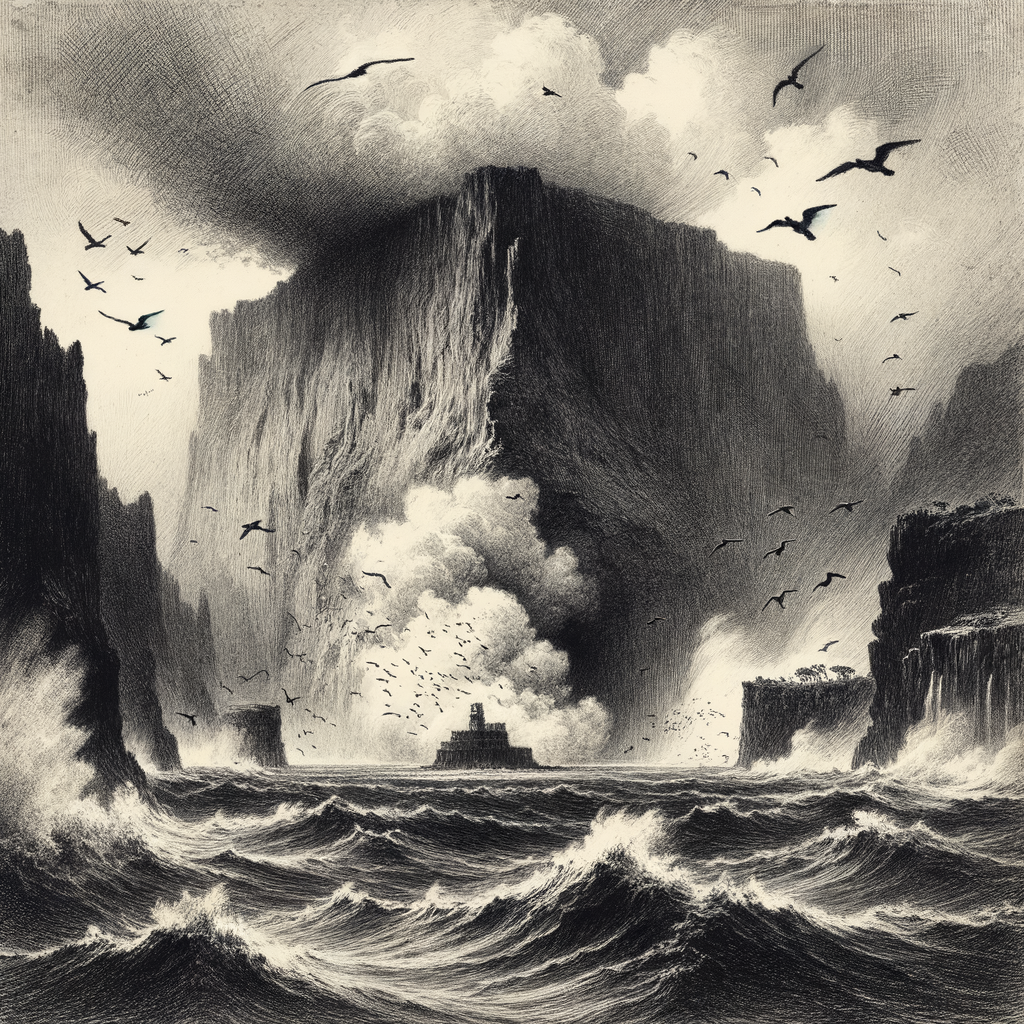
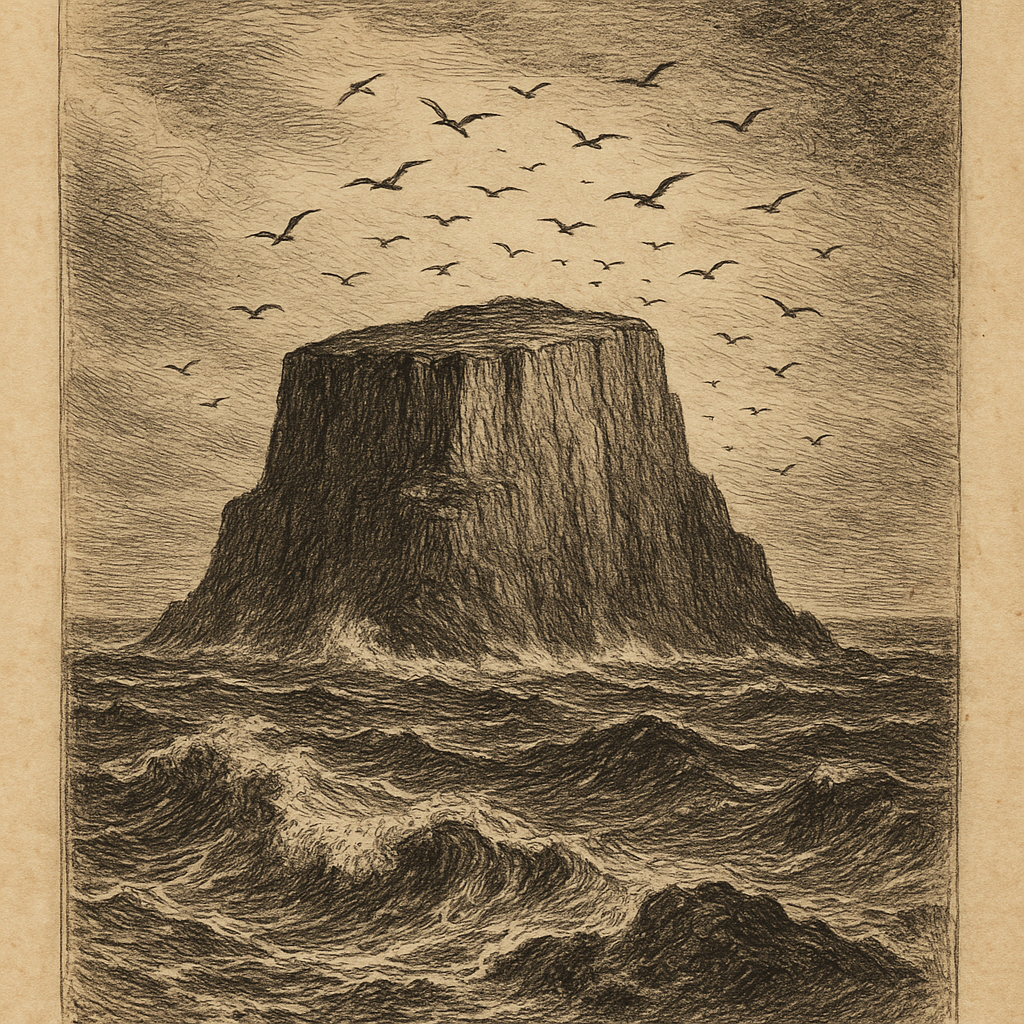
Geologically, the island is characterized by steep basalt cliffs, lush rainforests, and a surrounding fringing coral reef. The dense terrain and isolation have allowed for the preservation of pristine ecosystems. Taʻū’s volcanic landscape has not only shaped its environment but also deeply influenced the mythology and lifestyle of its inhabitants.
Climate and Biodiversity
Taʻū experiences a tropical rainforest climate, featuring high humidity and an average annual rainfall exceeding 2,500 mm. Temperatures are consistently warm, ranging from 24°C to 31°C (75°F to 88°F) throughout the year.
The island supports a diverse range of flora and fauna. Much of it is protected by the National Park of American Samoa, which includes parts of the southern coast and the surrounding marine habitat. The park is home to native species such as the Samoa flying fox, Pacific boa, and numerous types of land crabs. The coral reefs, in particular, are teeming with colorful fish, sea turtles, and other marine life, making the area important for both conservation and scientific study.
Renewable Energy Milestone
In 2016, Taʻū gained international attention for becoming almost entirely energy self-sufficient. With the support of Tesla and SolarCity, the island installed a microgrid powered by 5,328 solar panels and 60 Tesla Powerpack battery storage units. This system allows Taʻū to operate independently from fossil fuels, providing reliable electricity to residents and reducing roughly 110,000 liters (29,000 gallons) of diesel consumption annually.
This ambitious project not only showcases the island’s commitment to sustainability but also serves as a global model for effective use of renewable energy in isolated communities.
Cultural Significance
Taʻū holds a special place in Polynesian culture and Samoan tradition. It is believed to be the location where the great chief Tagaloa, a deity in Polynesian mythology, first touched the Earth, making the island sacred ground in ancestral lore. Taʻū was also the seat of the ancient Samoan royal line and served as a key center for political and cultural authority in the region.
Traditional customs such as the ‘ava (kava) ceremony, tatau (tattooing), and matai (chiefly) system remain integral to the island’s way of life. The local population speaks Samoan, and the culture emphasizes community, respect, and spiritual connection to the land.
Legends and Myths of Taʻū
Taʻū is steeped in mythological and spiritual narratives that have been passed down through generations. One of the most renowned legends is that of Mount Lata, named after a mythical female warrior, Lata, who is said to have protected the island from invaders. It is believed that her spirit still watches over the island from the mountain’s peak.
Another local legend describes a mystical rock on the island’s southern coast known as Falealupo’s Footprint. According to oral tradition, the demi-god Tui Fiti traversed the islands of Samoa, leaving behind a footprint carved in stone at each major island he blessed. The one at Taʻū is considered to be among the most sacred and is often visited during ceremonial rituals.
Interesting Facts About Taʻū
– Taʻū was the final stronghold of native Samoan political power before Western colonization.
– The island played a central role in the spread of Christianity in the Pacific, with missionaries arriving in the early 19th century.
– Margaret Mead, the famous anthropologist, conducted much of her fieldwork for her book Coming of Age in Samoa on Taʻū in the 1920s, bringing global attention to island life.
– The waters around the island are known for having some of the most intact and healthiest coral reefs in American Samoa, thanks to limited human impact.
– The entire island can now run for three days on solar power alone without sunlight, a remarkable feat for any remote community.
Visiting Taʻū
Reaching Taʻū requires determination due to its remoteness. Flights from Tutuila to the Manuʻa Islands are irregular and often depend on weather conditions. There are no large-scale tourist facilities, but the island offers unparalleled opportunities for eco-tourism, hiking, and cultural immersion.
Visitors who wish to explore the island should obtain the necessary travel permits and ideally coordinate with the National Park Service. Because local customs and traditions are highly valued, respectful engagement with the community is vital.
Conclusion
Taʻū Island is a remarkable example of how natural beauty, cultural heritage, and environmental innovation can coexist on a small and isolated landmass. With its sacred landscapes, rich mythology, and commitment to sustainability, Taʻū offers a unique window into both the past and the future of Pacific island life. From the peaks of Mount Lata to the crystal-clear waters of its reefs, Taʻū stands as a symbol of resilience, tradition, and harmony with nature.