Tikopia Island: A Remote Jewel of the South Pacific
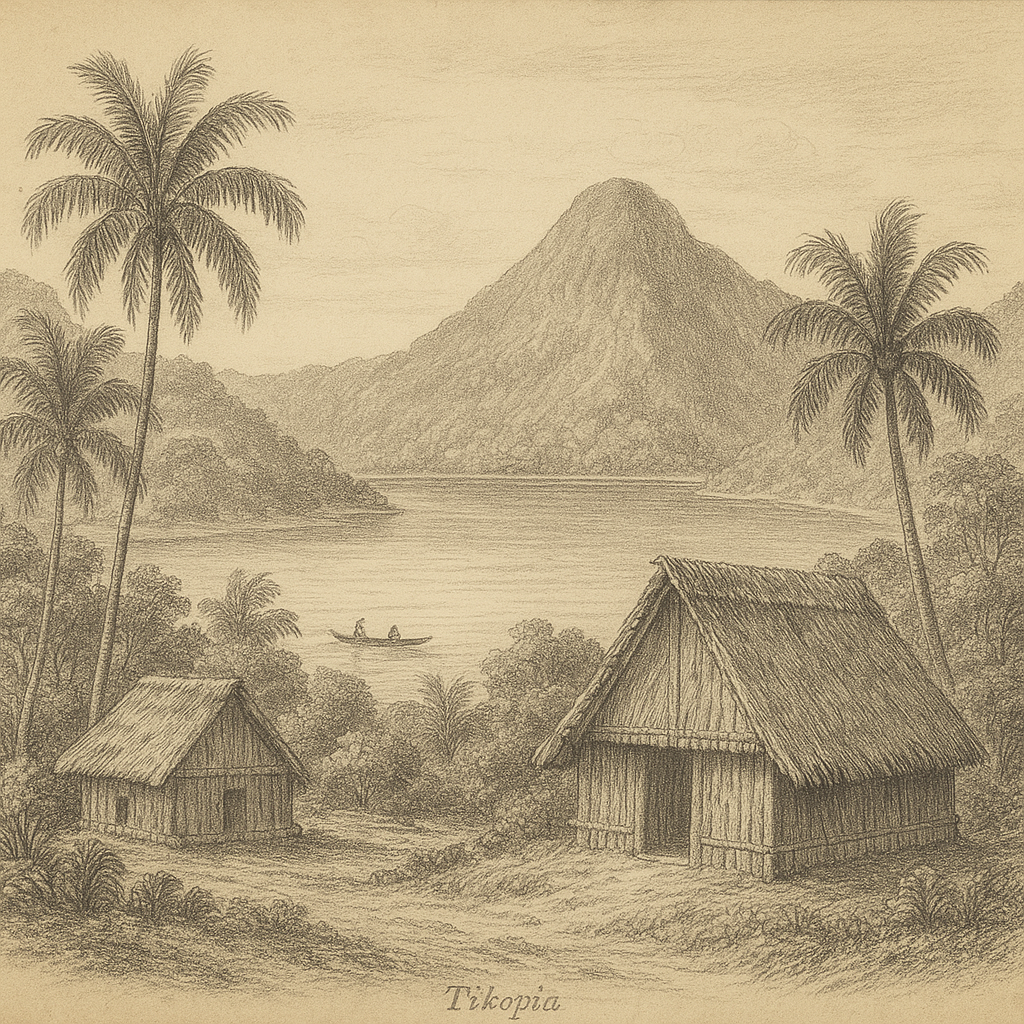
Tikopia Island is a tiny, volcanic remnant of the Solomon Islands, nestled deep in the South Pacific Ocean. It is both geographically and culturally isolated, with a small yet resilient community that has maintained its traditional way of life for centuries. Though only around 5 square kilometers in area, Tikopia harbors a rich cultural heritage, natural beauty, and fascinating stories that capture the imagination of those few who have learned of its existence.
Geographical Features and Location
Tikopia is located in the southeastern corner of the Solomon Islands archipelago, more than 1,200 kilometers east of the capital Honiara, and even further away from neighboring islands like Vanuatu and Fiji. It forms part of the Temotu Province and is one of the most isolated inhabited islands in the Pacific.
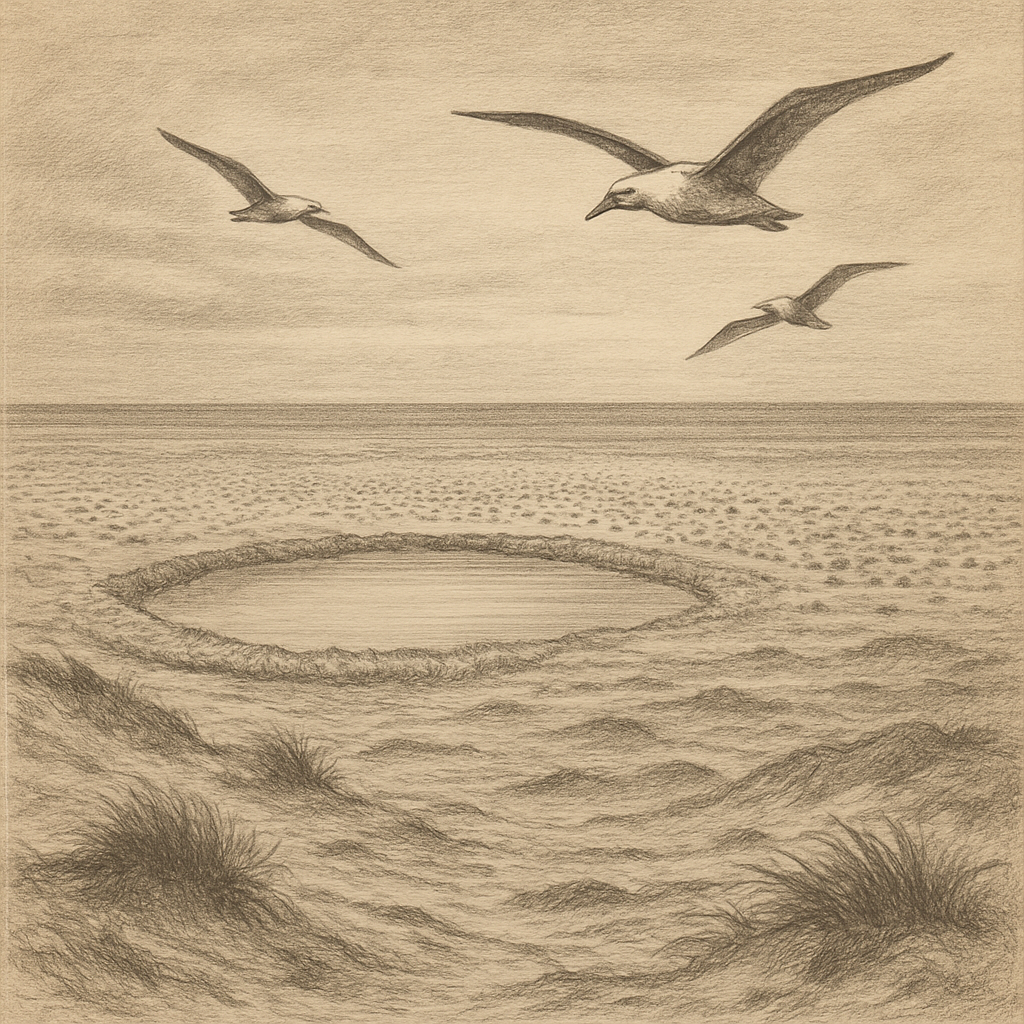
The island is the exposed summit of an extinct volcano, estimated to have formed through several stages of volcanic activity. Its highest point, Mount Reani, rises to about 380 meters. Tikopia’s roughly circular shape surrounds a central freshwater lake called Te Roto, which occupies a crater that was once a volcanic caldera. The lake has been critical for the islanders’ freshwater supply and also provides various fish species for food.
With no fringing coral reef protecting its shores, Tikopia is directly exposed to the Pacific Ocean, experiencing rough open seas and limited opportunities for landing boats. The terrain is steep and rugged, save for the narrow lowland strip around the coast where villagers cultivate their staple crops.
Volcanic Origins and Environmental Characteristics
Tikopia is entirely volcanic in origin. The island’s now extinct volcano created the rugged terrain and fertile soils that have enabled the intensive agriculture practiced by its residents. Despite the island’s small size and limited natural resources, the people of Tikopia have achieved a sustainable balance with their environment that has drawn the attention of anthropologists and environmentalists alike.
The tropical climate brings high humidity and a substantial amount of rainfall—averaging between 3,000 to 4,000 mm annually. This climate supports dense tropical vegetation, including coconut palms, banana trees, taro, and other crops essential for subsistence life. The surrounding ocean is teeming with marine life, offering opportunities for fishing, although there are periods when the sea can be too rough to fish safely.
Cultural Resilience and Population
Tikopia is home to around 1,200 people, most of whom live in small coastal villages. Remarkably, the islanders have maintained a unique Polynesian culture, despite the rest of the Solomon Islands being predominantly Melanesian. Linguistic and cultural experts have frequently highlighted Tikopia as a Polynesian “outlier,” having roots more closely tied to Samoa and Tonga.
Tikopians practice a traditional form of social organization led by four chiefs, or ariki, each presiding over a clan. Over the centuries, they have developed a highly structured society and adopted strict population control measures to prevent overuse of the island’s limited resources. Traditional contraceptive methods, celibacy among certain groups, and even voluntary exile have historically been used to keep the population in balance with its environment.
The society is largely self-sufficient. Islanders grow their own food, build their own houses from local materials, and organize their affairs according to deeply rooted customs and oral traditions.
Unique Features and Points of Interest
Tikopia is a remarkable example of sustainable living in an isolated environment. One of the most notable features of the island is the central crater lake, Te Roto, which not only serves as a natural reservoir but also separates the two main regions of the island. It has become a scenic and spiritual centerpiece for Tikopians.
In terms of biodiversity, Tikopia does not boast a high number of endemic species due to its small size and isolation, but its traditional agroforestry system—an integration of food cultivation and forest conservation—is seen as a model of ecological balance.
Transportation to and from the island is extremely difficult. Supply ships arrive only a few times a year, and access is typically by small boats when conditions allow. There is no airstrip, and communications rely on occasional radio transmissions and satellite connections.
Legends and Myths of Tikopia
As with many Polynesian societies, oral history and mythology play a significant role in the cultural identity of Tikopians. One particularly well-known legend tells of Chief Taumako, believed to have led the original settlers to Tikopia from the Polynesian homeland several centuries ago. It is said that upon arriving, he climbed to the top of Tikopia’s highest point—Mt. Reani—and declared the land sacred, inviting the gods of the sea and sky to bless their new home.
Another enduring narrative centers on the goddess Rongo, protector of fertility and crops, who is believed to have taken residence in the sacred groves near the crater lake. To this day, certain rituals are performed to honor Rongo during planting seasons and times of drought.
Tikopians also tell of sea spirits, or “tupua,” inhabiting the coastal waters. Fishermen offer small gifts—such as kava root or woven mats—before venturing into the deeper waters, ensuring safe passage and bountiful catches.
These stories are passed down through generations by skilled storytellers, often accompanied by chanting and dance, reinforcing communal values, respect for nature, and the sacredness of their heritage.
Sustainability and Global Interest
Tikopia has attracted the attention of anthropologists, sociologists, and climate researchers due to its traditional approaches to sustainability and resource management. The work of anthropologist Raymond Firth in the early 20th century provided much of the world’s first insights into Tikopian life and social structure. His writings showcase how an isolated society can thrive without succumbing to environmental collapse—a powerful testament in today’s context of global ecological concern.
Nevertheless, Tikopia faces modern challenges. Rising sea levels due to climate change pose a threat to this low-lying island. Extreme weather events, such as cyclones, have already displaced islanders on occasion, including the devastating Cyclone Zoe in 2002, which tested the community’s resilience but also showcased their remarkable ability to recover using traditional methods.
Conclusion
Tikopia Island stands as a shining example of coexistence between humanity and nature. It contrasts starkly with many modern societies by demonstrating how a small community, through social cohesion, respect for tradition, and sustainable practice, can live in harmony with its surroundings. Isolated but not forgotten, Tikopia continues to offer lessons in resilience, conservation, and cultural integrity—an island small in size but vast in cultural wealth and ecological wisdom.