Vostok Island: A Remote Coral Wilderness in the Pacific
Vostok Island is a small, uninhabited atoll located in the southern Line Islands of the central Pacific Ocean. Part of the Republic of Kiribati, this isolated landmass is a unique ecological and geographical outpost, shrouded in intrigue and natural mystery. With its untouched forests and remote location, Vostok Island stands as one of the few truly pristine environments left on Earth.
Location and Geography
Vostok Island lies approximately 640 kilometers northwest of Tahiti and around 2,000 kilometers south of the Hawaiian Islands. It is part of the southern cluster of the Line Islands, which includes nearby Henderson, Caroline, Malden, and Flint Islands. Despite its proximity to some major Pacific islands, Vostok stands apart due to its remoteness and lack of fresh water sources, rendering it uninhabitable for humans.
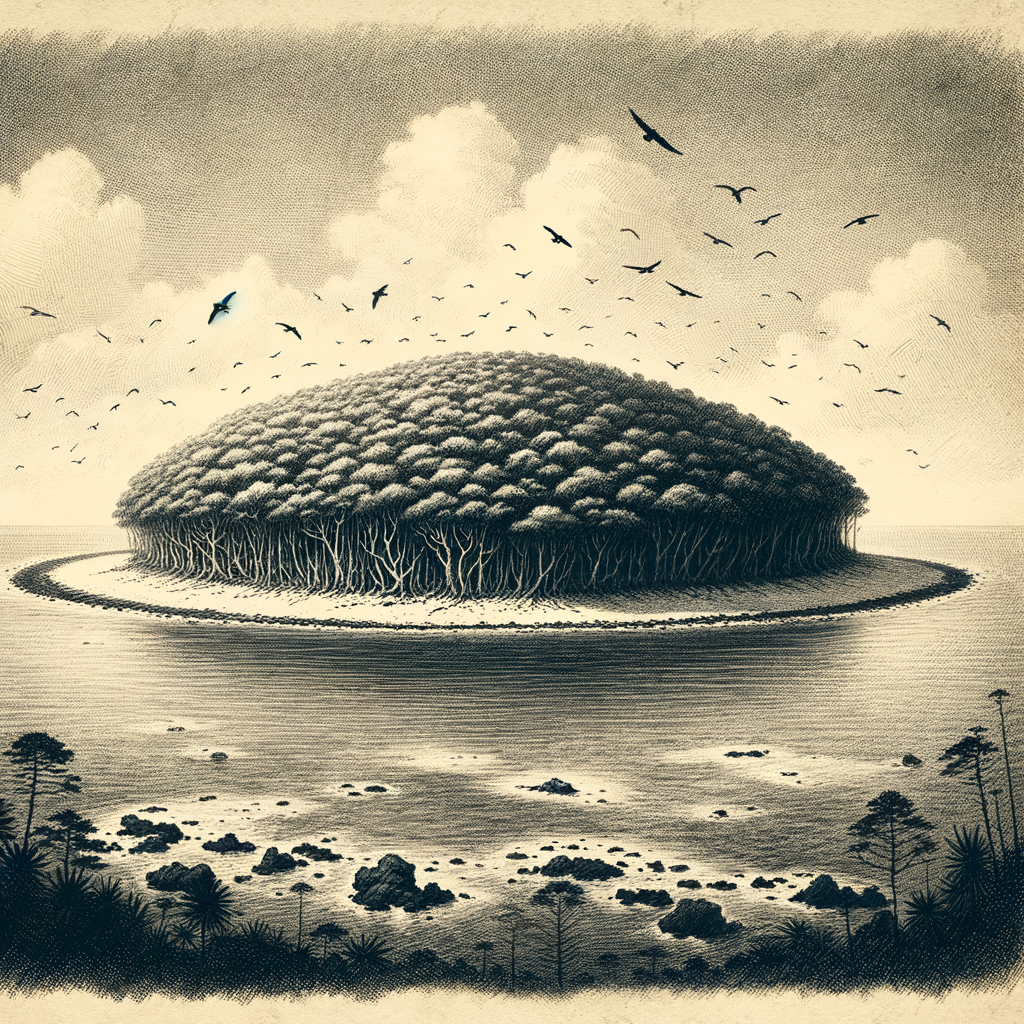
The island covers a land area of only about 0.24 square kilometers and is roughly oval in shape, measuring about 1.3 kilometers in length and 0.6 kilometers in width. It is a raised coral atoll, relatively flat in elevation with a maximum height of only a few meters above sea level. Unlike many atolls, Vostok Island does not have a lagoon at its center. The reef completely encircles the island, making access difficult even by boat.
Formation and Ecology
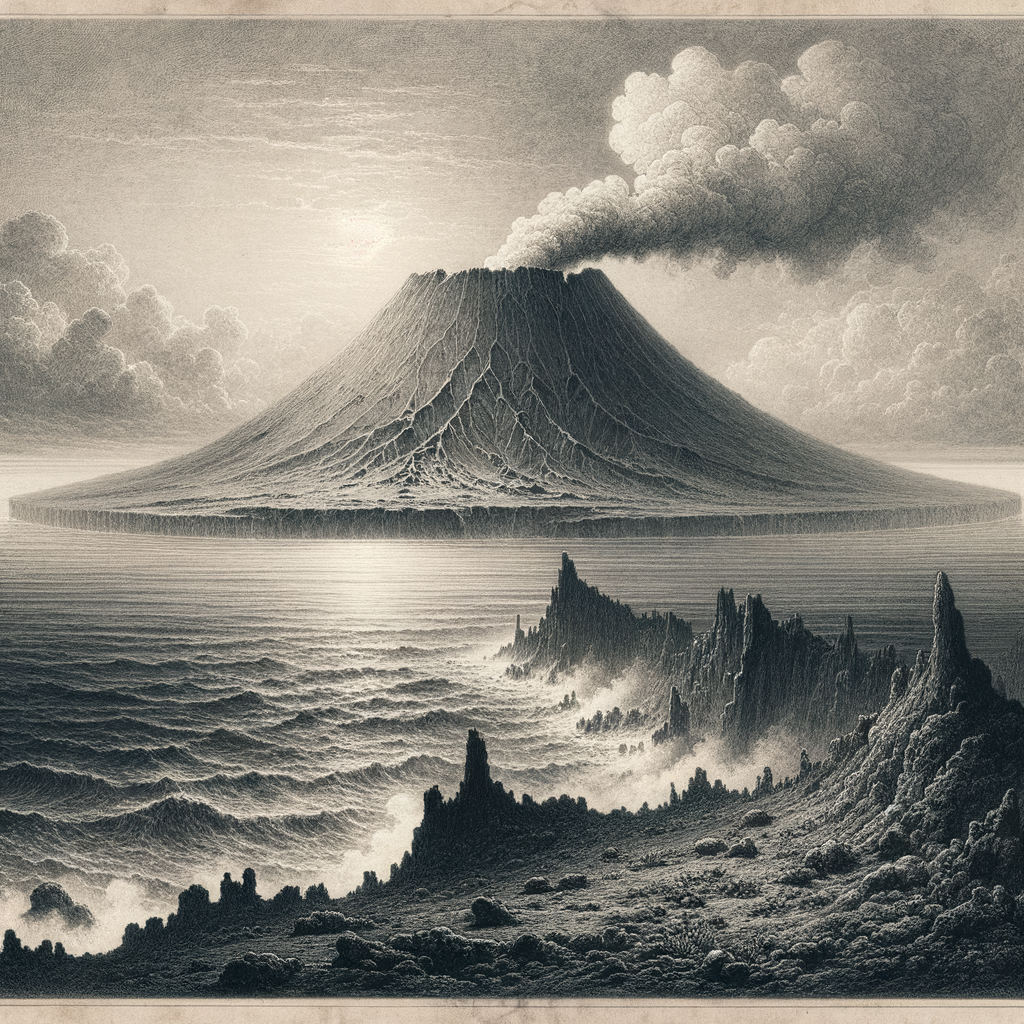
Vostok Island is of coral origin and sits atop a submerged volcano, formed millions of years ago as lava cooled and built up underwater. Over time, coral grew on the ancient volcanic base, leading to the formation of the atoll we see today. The island remains geologically stable but increasingly vulnerable to sea-level rise caused by climate change.
What makes Vostok Island especially intriguing is its impenetrable forest of Pisonia trees, which covers nearly the entire surface of the island. These dense, sticky-leafed trees drop seeds coated in a resin-like substance that can trap seabirds—a brutal but effective natural mechanism that enriches the soil through bird droppings, which, in turn, fertilize the forest.
This Pisonia forest is largely undisturbed, and the island also hosts a variety of seabird species, such as red-footed boobies, frigatebirds, and various types of noddies. The lack of human disturbance has allowed wildlife to flourish relatively unchecked, making the island a critical habitat for nesting birds in the Line Islands group. There are no introduced species like cats or rats, which commonly affect island ecosystems elsewhere, allowing native bird populations to thrive.
Access and Conservation
There are no permanent settlements on Vostok Island, and it has likely never been permanently inhabited in historical times. Due to its remote nature and ecological sensitivity, access is extremely limited and usually restricted to scientific expeditions or conservation missions. The nearest human settlement is nearly 200 kilometers away on Caroline Island.
Vostok Island is managed as part of Kiribati’s Phoenix Islands Protected Area (PIPA), a massive marine conservation zone that spans over 400,000 square kilometers. While technically in the Line Islands geographically, Vostok is functionally included in the same ecological management approach as the Phoenix Islands due to similar challenges and conservation goals. Researchers studying the island focus on its unique vegetation, undisturbed seabird colonies, and surrounding reefs.
Preserving the island’s untouched nature is a top priority. Human activity is minimized, and special permits are required to land on the island. Any attempt to introduce species, even unintentionally, is strictly prohibited.
Interesting Facts About Vostok Island
Though small and isolated, Vostok Island is steeped in curious and fascinating features:
– The island was first sighted in 1820 by the Russian explorer Fabian Gottlieb von Bellingshausen, who named it “Vostok” after his ship, one of the vessels in his Antarctic expedition.
– Vostok Island has one of the most intact and undisturbed Pisonia forests in the world. Most atolls have had these forests destroyed or altered over time by human activity or invasive species.
– The name “Vostok” means “East” in Russian, referencing the direction of the ship’s leg during the discovery voyage.
– Satellite imagery shows a green, circular growth surrounded by the palest blue of the central Pacific, making for a visually striking appearance from space.
– The forest does not allow for easy human penetration; its thick canopy, coupled with sticky seeds and no clear pathways or freshwater sources, makes exploration an arduous task even for seasoned scientists.
Legends and Mysteries
Surrounded by thousands of kilometers of open ocean, Vostok Island has given rise to speculative tales among sailors and locals in the Pacific. Though there are no significant known indigenous legends directly tied to the island due to its uninhabited nature, maritime lore has often painted the island as a phantom isle of sorts.
Old sailors who passed near the Line Islands in the 19th century whispered of an island “that does not want to be found.” Ships sailing close often found no place to anchor safely, and surf crashes against sharp reef edges, deterring entry. The thick forest canopy gives the impression of a dark, forbidden place—a fitting backdrop for myths of ghost ships and vanishing explorers.
One legend tells of a Polynesian navigator who once attempted to land on Vostok centuries ago. According to oral tradition passed down in nearby islands, the navigator and his crew vanished, never to be seen again. Islanders say the gods of the sea sealed the island for breaking sacred taboos, turning it into a forbidden land that punishes those who dare trespass.
More recently, vaguer stories have circulated among amateur radio enthusiasts and adventurers about strange magnetic anomalies or radio blackouts near the island, although there is no scientific confirmation of this. Still, its remoteness and untouched nature continue to draw interest from explorers and mystery seekers alike.
Conclusion
Vostok Island represents a paradox: barren yet bountiful, remote yet captivating. It is a testament to the power of isolation in preserving ecosystems that elsewhere have fallen to human influence. As climate change and rising sea levels threaten such rare natural sanctuaries, the importance of conserving places like Vostok Island becomes ever more vital.
This untouched atoll in the Line Islands remains one of the last frontiers of Pacific wilderness—dense, enigmatic, and little changed since the days of its discovery. Whether viewed from the lens of ecology, history, or mythology, it stands as a marvel of isolation and endurance in the heart of the Pacific Ocean.