Introduction to Bannerman Island
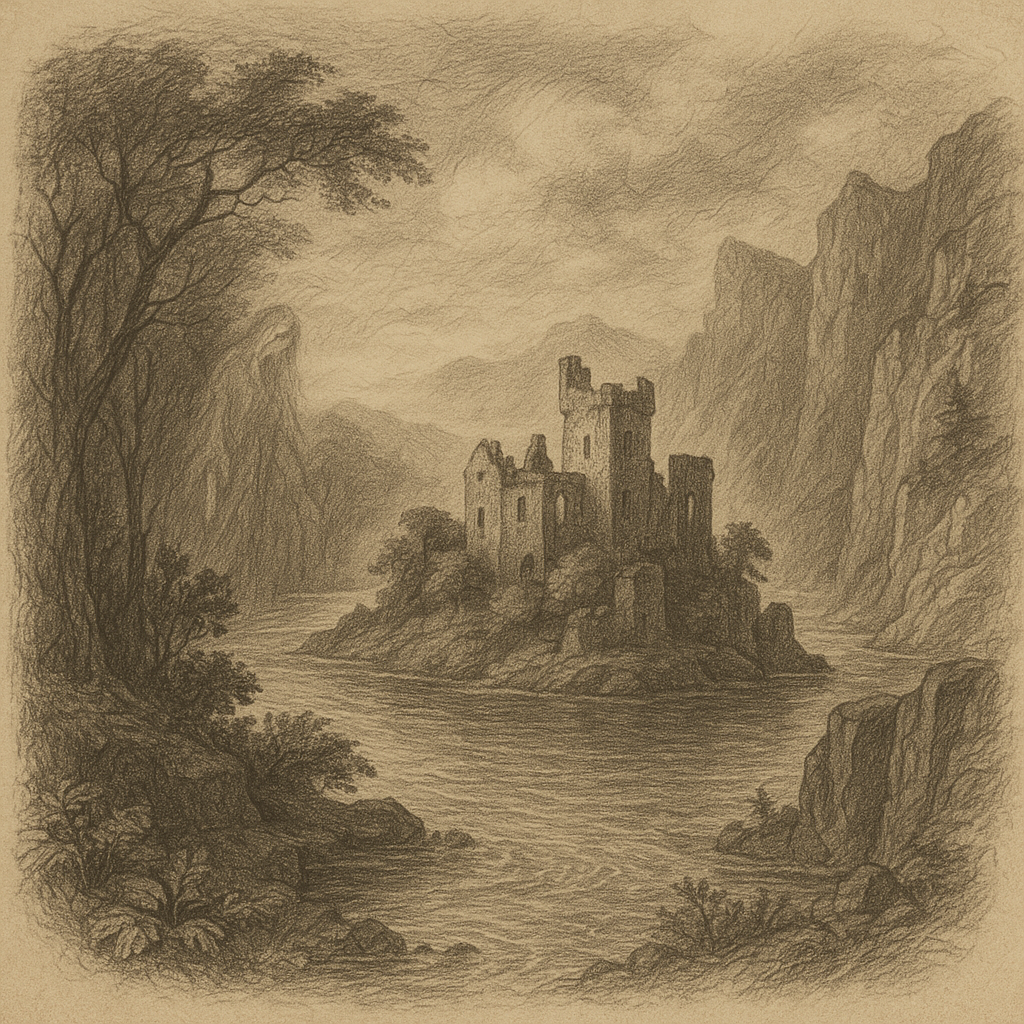
Bannerman Island, officially known as Pollepel Island, is a small, mysterious island located in the Hudson River about 50 miles north of New York City. This steep, rocky islet covers just about 6.5 acres, yet it has captured the imagination of adventurers, historians, and explorers alike. Dominated by the ruins of a Scottish-style castle, Bannerman Island presents a surprising vision amid the rolling hills of the Hudson Highlands. The island is named after Francis Bannerman VI, a self-made munitions dealer who built the castle as a private arsenal in the early 20th century.
Geography and Natural Features
Situated in the Hudson Highlands, Bannerman Island sits between the towns of Beacon and Cold Spring. The island rises sharply from the riverbed, flanked by deep waters and swift currents. Its rugged terrain, combined with the surrounding natural beauty of the river valley, makes it a unique geological formation born from glacial activity and ancient tectonic movements. The site is part of a larger geological region known for its metamorphic rock formations that date back over a billion years.
Although tiny in size, Bannerman Island supports a variety of vegetation, including junipers, sumac, and hardy deciduous trees, which have gradually taken over the ruins in some areas. Its remote position and limited access have allowed certain native flora and fauna to thrive without significant human interference.
The Bannerman Castle
The most iconic feature of the island is the striking Bannerman Castle, an early 20th-century armory which today stands in romantic ruin. Following the Spanish-American War, Francis Bannerman VI needed a safe location to store his massive stockpile of surplus military equipment. In 1900, he purchased Pollepel Island and began constructing the castle largely by his own design. Built predominantly from cement, local stone, and repurposed materials, the castle was a bizarre amalgamation of Scottish fortresses, industrial warehouses, and Victoriana.
The grand central structure housed munitions and military surplus, while other auxiliary buildings included water tanks, housing quarters, and a summer residence. Construction lasted for years and continued sporadically until Bannerman’s death in 1918. Much of the architecture was ornamental, intended to evoke Old World grandeur rather than serve any defensive function.
A Decline into Ruin
After Francis Bannerman’s death, the castle and the business slowly declined. The island was abandoned by the late 1950s, and a fire in 1969 destroyed much of the remaining structures. Subsequent collapses further reduced the castle to a shell of its former self. Erosion, neglect, and the unforgiving climate eventually transformed the site into a haunting ruin, although restoration efforts over the past two decades have made select areas safe and accessible.
Today, the Bannerman Castle Trust works to preserve the remnants. Guided public tours are now available during warmer months, attracting photographers, historians, and tourists intrigued by this unexpected sight in the heart of the Hudson.
Interesting Facts about Bannerman Island
Despite its small size, Bannerman Island offers some surprising and delightful facts:
– The island was formerly known by several names, including Pollepel Island and “The Island of Doom,” due to early superstitions.
– The lettering “Bannerman’s Island Arsenal” is still faintly visible across the front façade of the ruins.
– Bannerman Castle was never officially a fortress—it was merely the decorative storage facility for a surplus arms dealer.
– The castle appears in numerous films, television series, and ghost story collections, often serving as an eerie backdrop.
– Seasonal theater productions and music performances are held on the island, turning it into an atmospheric arts destination.
Legends and Folklore
Long before Bannerman built his castle, Pollepel Island was steeped in legend. Native American tribes warned travelers of the treacherous river currents near the island, believing the waters were haunted. The Dutch settlers had their own tales—it was said that the island was home to evil spirits and goblins, sent to destroy any vessel that dared draw too close. Sailors often avoided it, and those forced ashore by storm swore they heard whispers and saw ghostly figures among the rocks and trees.
Another local legend speaks of a young Dutch girl named Polly Pell, who supposedly drifted onto the island during a snowstorm and was rescued by her lover-to-be. The story gave rise to the island’s original name, Pollepel, and remains a popular tale told during tours.
Modern paranormal enthusiasts claim that the ghost of Francis Bannerman himself still roams the ruins, keeping watch over his once-formidable empire. Reports of strange lights, unexplained noises, and shadowy figures have only added to the island’s mystique.
Accessibility and Preservation
Although relatively close to populated urban areas, Bannerman Island remains somewhat difficult to access. It can only be reached by boat or kayak, and excursions are typically permitted through specific tour groups, such as the Bannerman Castle Trust. These guided visits are seasonally limited and regulated to minimize ecological impact and ensure visitor safety.
Preservation of the castle has become a community effort led by local historians and conservationists. Structural reinforcements, vegetation management, and controlled public access now form the backbone of conservation strategies. The goal is to balance the island’s wild beauty and historical intrigue with thoughtful stewardship.
A Hidden Gem of the Hudson River
Bannerman Island is more than a curiosity—it’s an evocative symbol of American dreams, eccentric architecture, and the clash of nature with abandoned industry. As time and weather continue their relentless shaping of the landscape, the island remains a testament to a forgotten legacy nestled within the Hudson River’s waters. Whether viewed as a romantic ruin, a historical site, or a stage for folklore and imagination, Bannerman Island continues to captivate all who visit.