Fangatau Island: A Remote Paradise in the Tuamotu Archipelago
Fangatau Island is a small, secluded atoll in the Tuamotu Archipelago of French Polynesia. With its unique geography, rich cultural history, and serene natural beauty, Fangatau remains one of the lesser-known yet captivating destinations in the vast Pacific Ocean. This article offers a comprehensive overview of the island, its geophysical characteristics, biodiversity, cultural aspects, and the myths that surround it.
Location and Geography of Fangatau
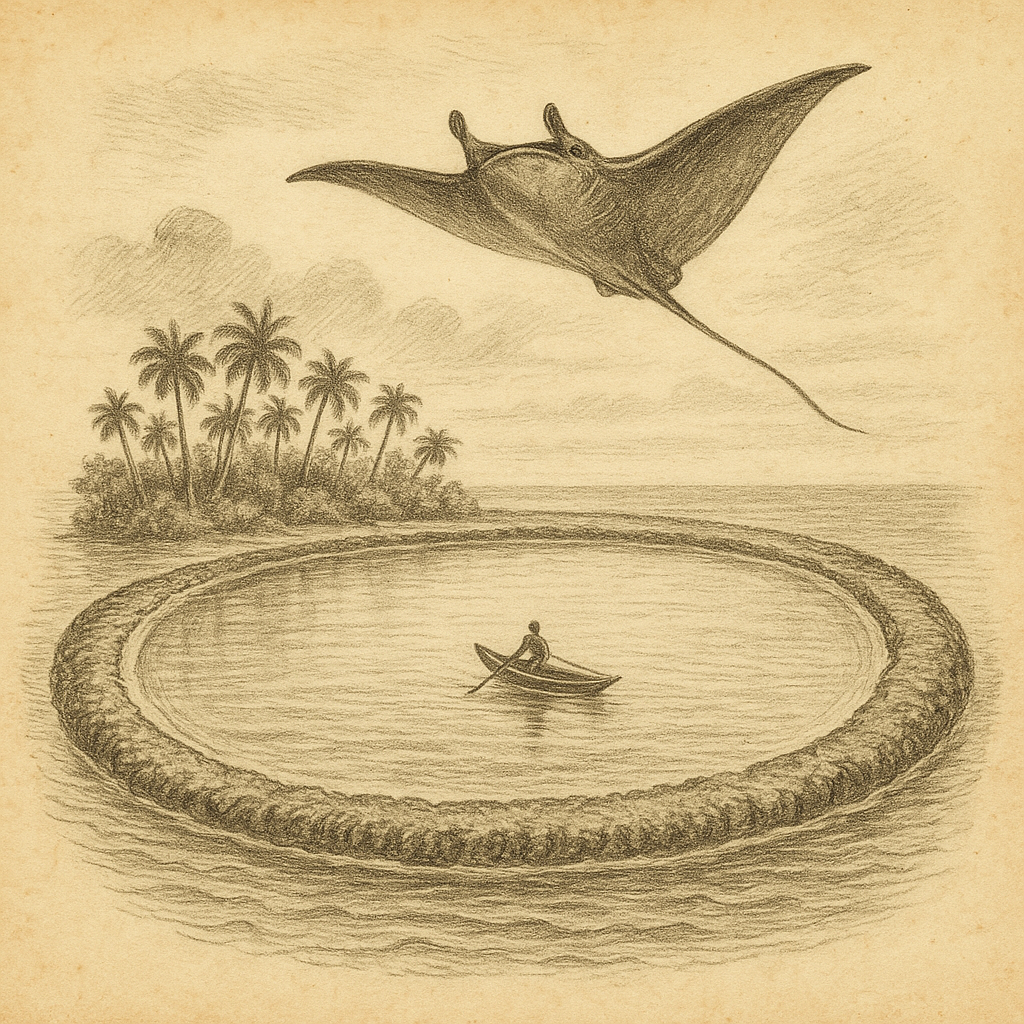
Fangatau is located in the eastern region of the Tuamotu Archipelago, approximately 960 km northeast of Tahiti. The atoll is part of French Polynesia and lies in close proximity to other remote islands such as Fakahina and Hao. It consists of a narrow ring of low-lying coral islets (motus) encircling a shallow lagoon. The total land area of the atoll is about 6.5 square kilometers, while the lagoon stretches over 45 square kilometers.
Like many Tuamotu atolls, Fangatau is a classic example of a coral atoll formed from a sinking volcanic island. The central lagoon provides calm waters rich in marine life, while the outer reef protects the atoll from open ocean swells. There are no significant freshwater sources on the island, and rainwater collection is essential for the local community.
Climate and Ecosystem
Fangatau has a tropical maritime climate marked by warm temperatures, high humidity, and consistent trade winds. Average daytime temperatures hover around 27°C (81°F), and annual rainfall averages about 2000 millimeters. The island experiences a wet season between November and April, often associated with the risk of cyclones.
The island’s isolation and relatively undisturbed environment make it a haven for seabirds, coral reefs, and marine wildlife such as turtles and reef fish. The surrounding waters are also frequented by dolphins and seasonal whales. The flat motus are covered with coconut palms, pandanus, and native shrubs, while the lagoon sustains vibrant coral reefs and a variety of reef organisms.
The Community of Fangatau
Fangatau is home to a small Polynesian community situated on the main village of Teana, located on the northern motu. The population is around 150 inhabitants, according to recent estimates. This tight-knit society lives mainly off subsistence fishing, copra production, and small-scale agriculture.
The people of Fangatau speak Tahitian and French. Although the island is equipped with basic infrastructure such as a school, church, and a small infirmary, services remain limited. A small airstrip connects Fangatau with the rest of French Polynesia, providing irregular flights to Tahiti and nearby islands.
Interesting Facts About Fangatau Island
Although rarely in the spotlight, Fangatau Island boasts several fascinating aspects:
- It is among the less visited islands in French Polynesia, offering pristine natural environments untouched by mass tourism.
- Fangatau has a unique postal code (98759) and is administered under the commune of Hao.
- The island’s lagoon is completely enclosed, with no deep passage connecting it to the open ocean, which limits boat traffic and helps preserve its ecosystem.
- The island is part of a regional initiative for coral reef conservation under UNESCO directives.
These characteristics make Fangatau a precious location for environmental studies and ecological preservation efforts.
Myths and Legends of Fangatau
As with many islands in the Pacific, Fangatau has its share of myths passed down through generations. According to Polynesian oral tradition, Fangatau was created by the demigod Tū, who is said to have used his mighty spear to raise the atoll from the ocean depths as a resting place for his journeys across the Pacific.
Another legend tells the tale of the “Spirit of the Lagoon”—a benevolent guardian believed to take the form of a manta ray. Island elders say the spirit appears to protect fishermen during storms or when outsiders threaten the balance of nature in the lagoon. Offerings of breadfruit and songs are occasionally made in its honor during community celebrations.
These legends are preserved through chants, dances, and storytelling, continuing to shape the cultural identity of the islanders and their spiritual connection to the land and sea.
Accessibility and Conservation
Fangatau’s isolation makes access challenging. There are no commercial tourism services or accommodations for visitors, and travel must be arranged in coordination with local authorities. Flights from Tahiti are infrequent, and sea routes are limited to cargo deliveries and occasional government visits.
Despite its remoteness, conservation efforts are active on the island. Coral monitoring programs, waste reduction initiatives, and educational outreach aim to preserve Fangatau’s natural and cultural heritage. The island remains a symbol of sustainable living amidst fragile ecosystems.
Conclusion
Fangatau Island stands as a testament to the enduring spirit of remote island communities and the beauty of untouched ecosystems. With its rich mythology, vibrant marine life, and cultural resilience, Fangatau offers an inspiring glimpse into how humanity and nature can coexist in balance—even in the most isolated corners of the world.