Hallig Süderoog – A Remote Island with Rich History and Unique Charm
Hallig Süderoog is one of the ten remaining Halligen — small, marshy islands in the North Frisian region of the Wadden Sea, off the coast of Schleswig-Holstein, Germany. These unique islands are unprotected by dikes and are subject to frequent flooding during storm tides, making them an extraordinary phenomenon in European geography. Hallig Süderoog stands out in both history and character, making it a place of fascination for geographers, historians, and lovers of remote natural destinations.
Geography and Location
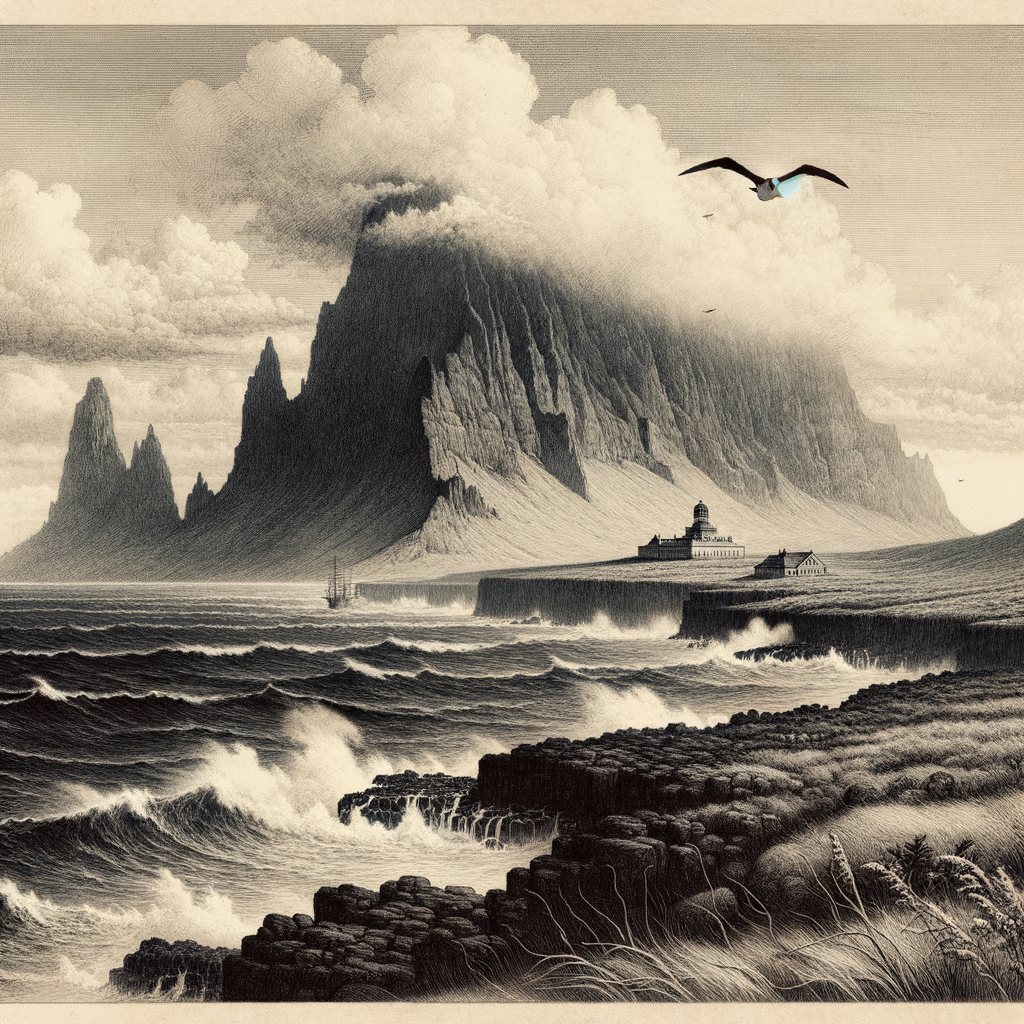
Located in the Wadden Sea National Park, a UNESCO World Natural Heritage Site, Hallig Süderoog lies about 3.5 kilometers south-west of the larger and inhabited Schlüttsiel and Habel islands. With a total area of approximately 0.62 square kilometers (62 hectares), it is one of the smallest of the Halligen, yet it has a dynamic and striking landscape. The island is flat and consists mostly of salt marshes, which become submerged under water during regular tidal floods — a phenomenon known as “Landunter.”
What makes the Halligen especially unique is their lack of protective dikes. Instead, the few buildings on Hallig Süderoog are built on man-made mounds known as “Warften” to stay above the high tide levels. The surreal sight of isolated farmhouses rising above the sea during flooding has become iconic for this region.
History of the Island
Süderoog has a long and often tragic history. It is believed that several centuries ago, it was part of a larger landmass connected to other Halligen, but the catastrophic Burchardi flood of 1634 drastically reshaped the coastline of the North Sea, claiming thousands of lives and reducing the size and number of habitable areas in the region. After the storm, Süderoog became one of the many small islands left behind in the Wadden Sea.
Up to the 20th century, the island saw various phases of habitation and abandonment due to harsh conditions. In the early 1900s, the island became known through its association with the Danish teacher and pacifist couple Anton and Marta Jensen, who moved there in 1927. Their goal was to create a symbol of peace and understanding after the traumas of World War I. They named their home the “House of Humanity” (Haus der Menschlichkeit), which became a refuge and place of reflection.
Current Use and Access
Today, Hallig Süderoog is privately owned and inhabited by a single family who have taken on the stewardship of maintaining the island, caring for its natural heritage, and continuing its legacy as a peaceful haven. The island is not connected by regular ferry service and is accessible only via boat or by walking over the mudflats during low tide — a method known as “Wattwanderung,” which should only be attempted with an experienced guide due to the danger of quickly rising tides.
The current inhabitants run an ecologically sustainable farm and offer educational programs focused on environmental conservation, local wildlife, and the unique cultural history of the Halligen. Overnight stays are generally not available to tourists, preserving the privacy and ecological sensitivity of the site.
Flora and Fauna
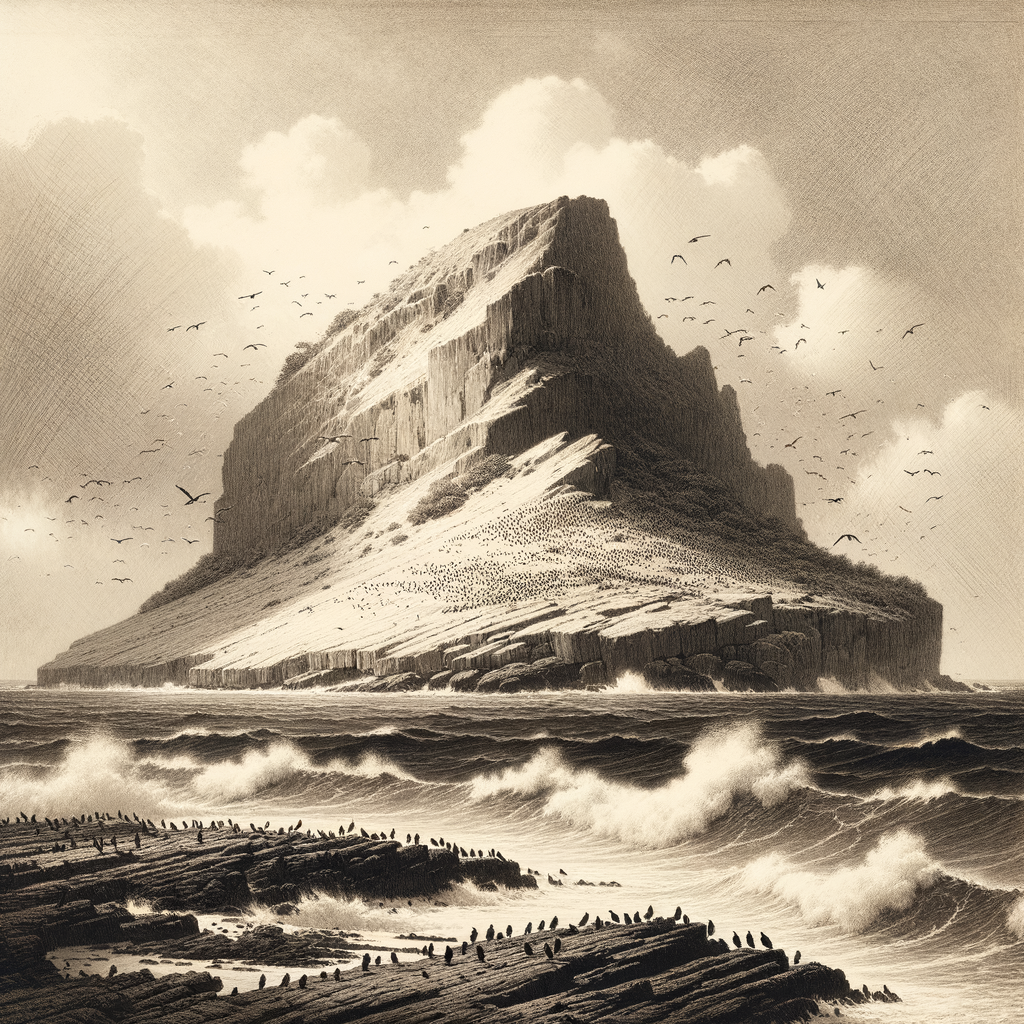
Despite its size and exposure, Hallig Süderoog hosts a remarkable variety of wildlife. The salt marshes support rare and endangered plants such as sea aster and thrift, while the mudflats teem with marine life, forming an essential feeding ground for migratory birds. Consequently, the island is recognized as a critical part of the Wadden Sea biosphere and serves as a vital rest and breeding ground for various bird species including oystercatchers, redshanks, and Arctic terns.
Seals can often be seen resting on nearby sandbanks, and the surrounding waters are home to numerous crustaceans and fish species, benefiting from the nutrient-rich tidal ecosystem. The local environment is under strict protection, with efforts ongoing to maintain its natural state in cooperation with German conservation authorities.
Interesting Facts about Hallig Süderoog
– Hallig Süderoog is one of the only inhabited Halligen with such a strong focus on ecological sustainability.
– The island floods several times a year during storm tides, often covering everything except the Warft and its buildings.
– There is only one residential building on the entire island, and it is powered by renewable energy.
– The island is “off-grid,” with solar panels and a wind turbine providing electricity and rainwater collected for daily use.
– The island has inspired artists, writers, and peace activists, becoming a symbol for isolation, endurance, and harmony with nature.
Legends and Folklore of Süderoog
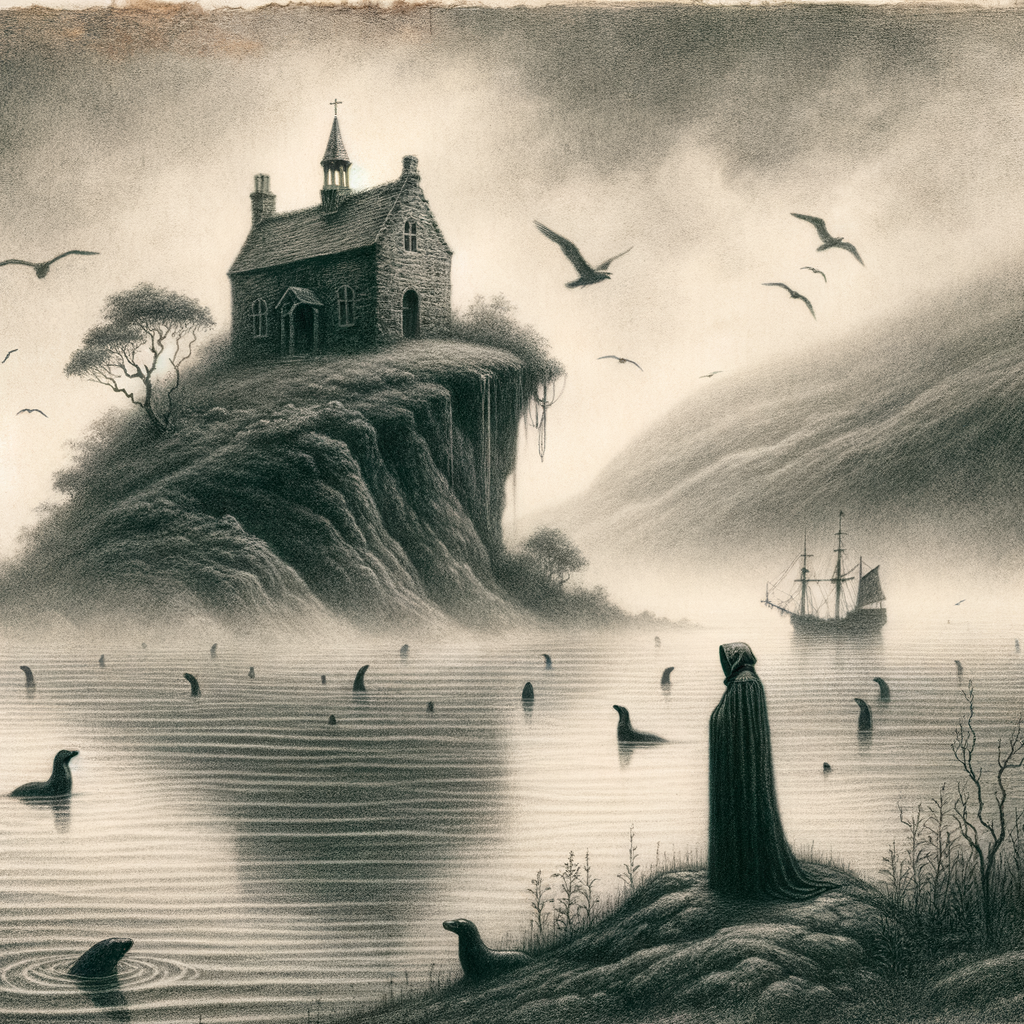
Like many places shaped by centuries of hard living and the primal forces of nature, Hallig Süderoog has its share of legends. One of the most enduring tales tells of a sunken village that once lay beneath the surrounding sea. According to local lore, the village was consumed by a massive storm surge as divine punishment for the greed and vanity of its inhabitants. Fishermen and walkers are said to occasionally hear church bells ringing from beneath the waves on quiet, foggy days — a ghostly sign of what was lost to the North Sea.
Another legend speaks of the “Hallig Shepherd,” a mysterious figure who appears to lost wanderers during sudden fogs. Dressed in old-fashioned Frisia clothes and with a quiet demeanor, he is said to lead the disoriented safely back to dry land before vanishing without a trace. Many locals regard him as the spirit of a shepherd who once lived alone on the island and died in a storm trying to save his flock.
Conclusion
Hallig Süderoog represents a truly rare blend of geographic uniqueness, historical depth, and ecological sensitivity. Its isolation in the North Sea, modest size, and traditional way of life make it stand apart even among the already unusual Halligen islands. Whether approached as a serene sanctuary, a living historical site, or a beacon of sustainable living, Hallig Süderoog continues to capture the imagination of those who hear its story. This remote island, no matter how small on the map, holds a large place in the heart of those who value harmony with the elements and a deep connection to the natural world.