-
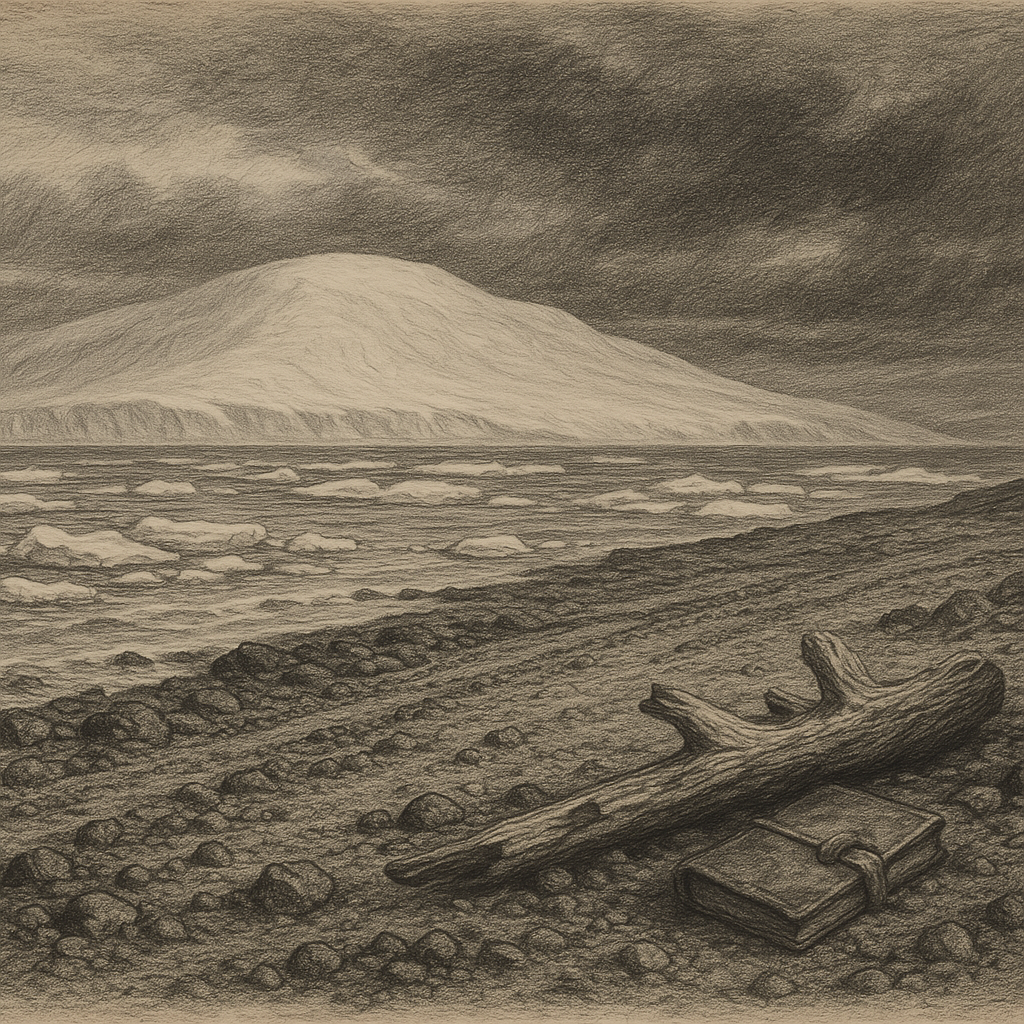
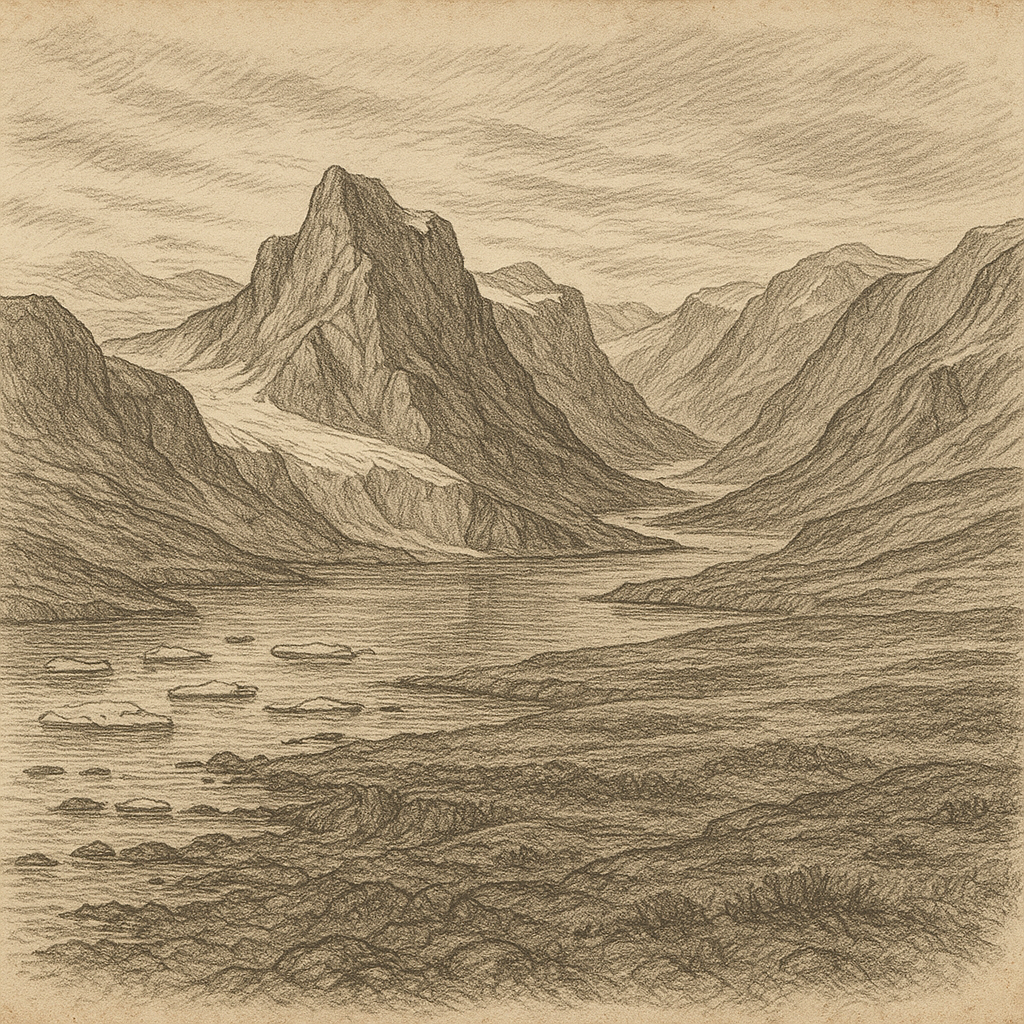
Snow-buried diaries made Kvitøya a reluctant monument
There are places so far inside the Arctic that even the map seems to hesitate before naming them. Kvitøya lies at the northeastern edge of Svalbard, washed by the Barents Sea and pressed by pack ice for much of the year, a near-circular island whose very name means “White Island.” The name is not poetic…
-

Winter storms and thawing permafrost reshape Clavering Island shoreline
Few places look so thoroughly claimed by cold. Clavering Island lies off the northeast coast of Greenland, separated from the mainland by narrow sounds and fjords in a sector of the Arctic where rock, ice, and sea seem to negotiate every visible boundary. It sits within what is now Northeast Greenland National Park, one of…
-
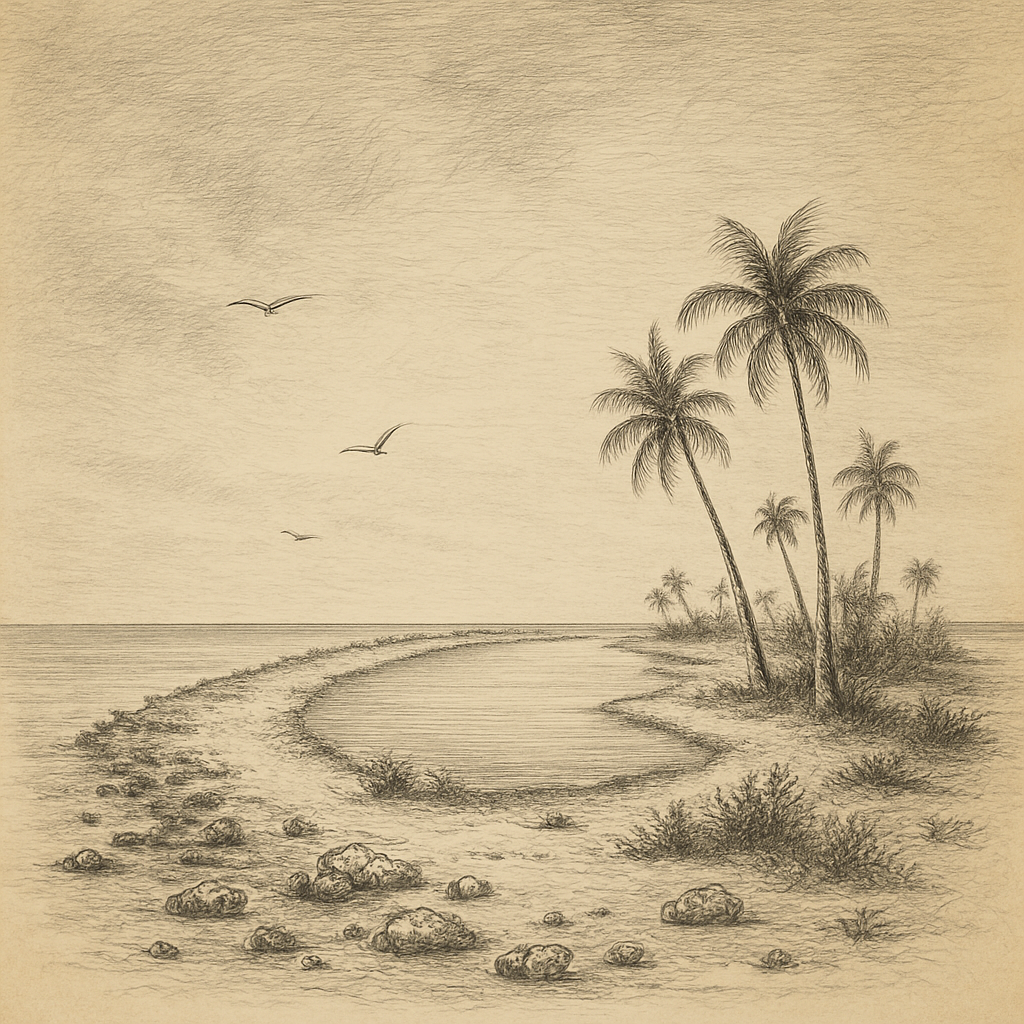
Tucked into currents, Flint Island births stubborn pockets of life
Far out in the southern Line Islands, where the central Pacific seems to thin into glare and distance, Flint Island lies low against the horizon, an atoll so remote that its very scale feels deceptive. It belongs to Kiribati, yet it sits far from the country’s better-known inhabited atolls, about as isolated as a coral…
-
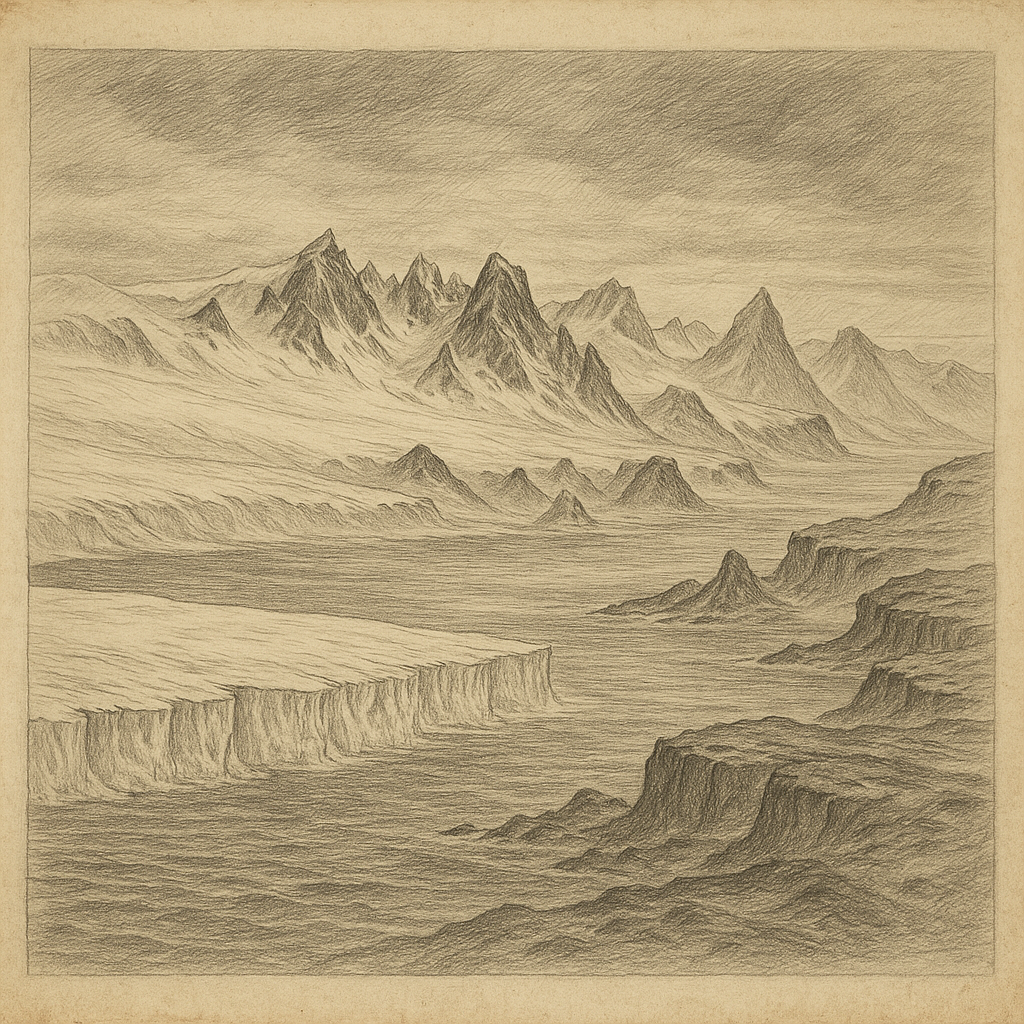
Relics, research and ice reveal Alexander Island as a layered archive
Long before most people ever see it on a map, Alexander Island exists as a problem of scale. It lies off the west coast of the Antarctic Peninsula, divided from that mainland by George VI Sound, and yet it is so large that calling it an island can feel almost misleading. At roughly 390 kilometers…
-
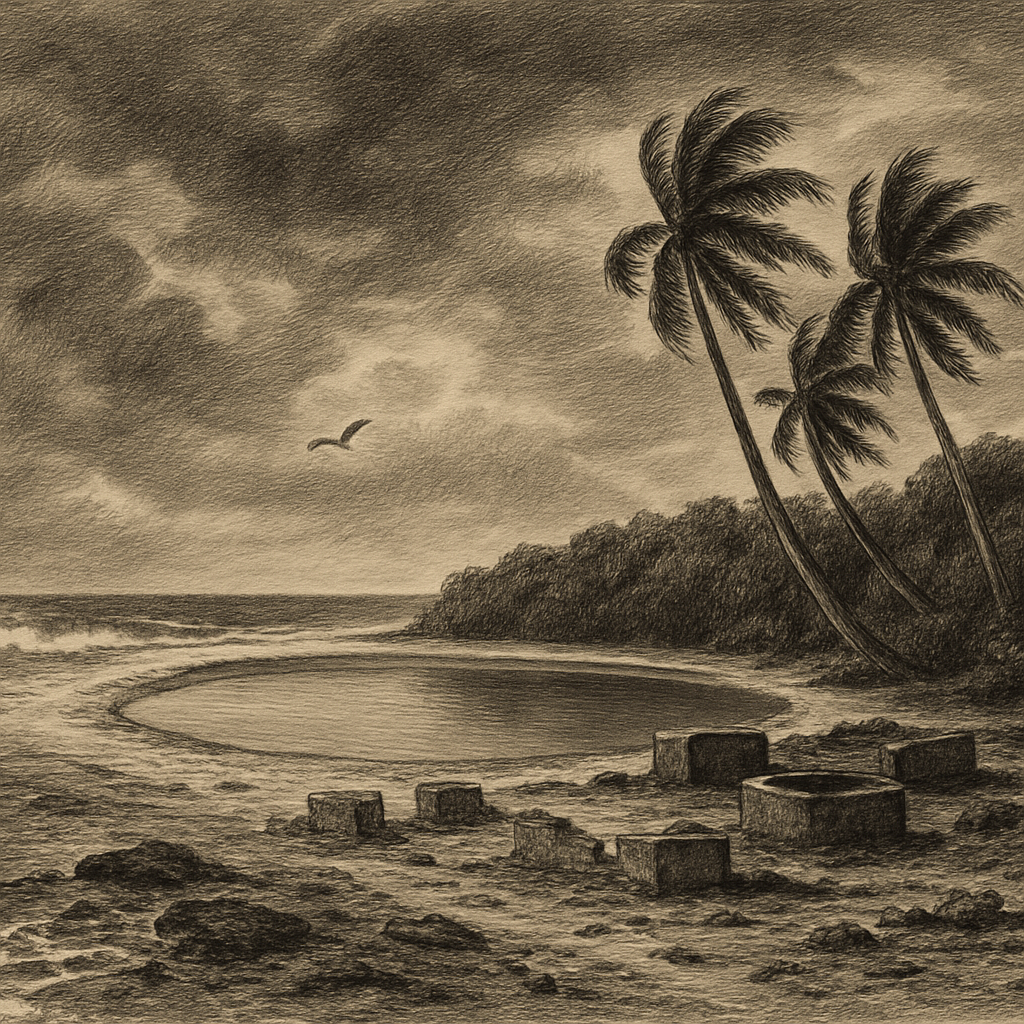
Storms return, but Gardner Island keeps an uneasy calm
Names can drift far from the places they once marked, and few islands show that more clearly than Gardner Island, the low coral atoll now officially known as Nikumaroro in the Phoenix Islands of Kiribati. It lies deep in the central Pacific, roughly southeast of Howland Island, a narrow ring of land around a lagoon,…
-
Wind-carved cliffs and endemic orchids crown Clarion Island
Few places look so final on a chart and yet belong so unmistakably to a living nation. Clarion Island lies alone in the Pacific, the westernmost and most remote of Mexico’s Revillagigedo Islands, more than 700 kilometers from the mainland. It is uninhabited, difficult to approach, and seldom seen except by naval patrols, researchers, and…
-
Seabirds anchor conservation debates around Salas y Gómez’s future
Few pieces of land look less negotiable. Rising from the southeastern Pacific more than 3,000 kilometers west of continental Chile and roughly 390 kilometers east of Rapa Nui, Salas y Gómez is not a place that invites settlement so much as a place that tests the very idea of it. The island is tiny, barren,…
-
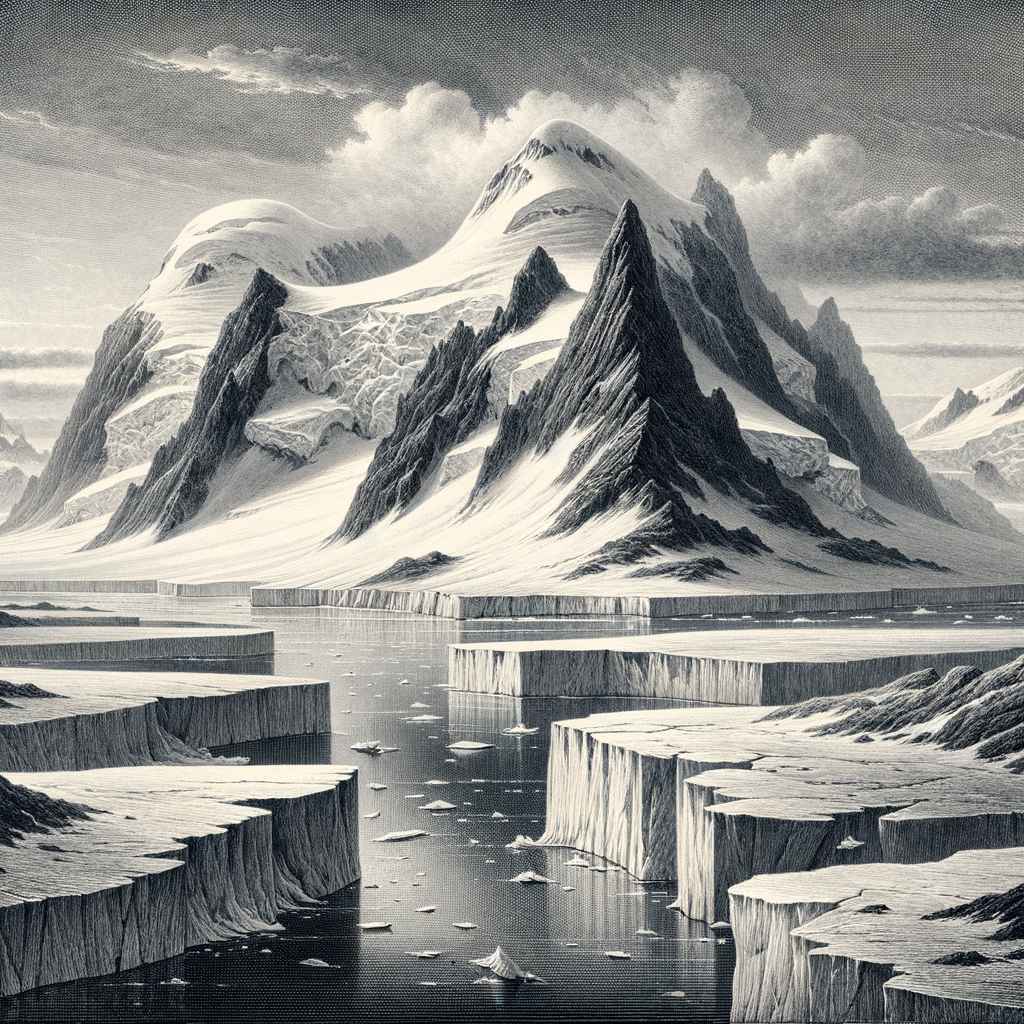
At Berkner Island, science unravels Antarctica’s hidden mechanics
Almost everything about this place resists the ordinary idea of an island. Berkner Island lies in Antarctica, enclosed not by open sea but by the floating mass of the Ronne Ice Shelf in the southern Weddell Sea. It is large by any standard—about 320 kilometers long and roughly 135 kilometers wide—yet for long stretches of…
-
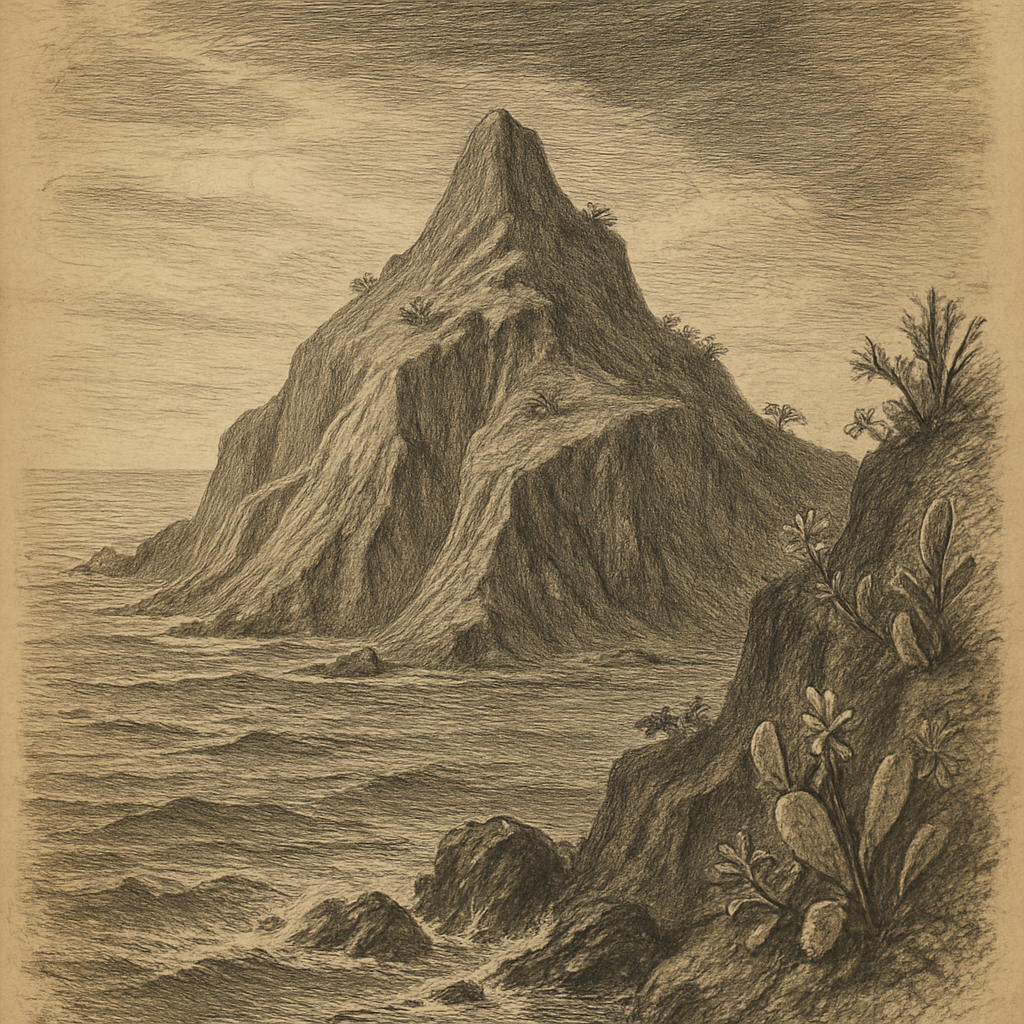
A tiny Arctic outpost reframes the law around Jeannette Island
Named from a disaster, fixed in ice Far above the Siberian mainland, where the Laptev and East Siberian seas merge into a long regime of pack ice, Jeannette Island rises as a dark, abrupt interruption in a white world. It belongs to the De Long group in Russia’s New Siberian archipelago, and even by high-Arctic…
-
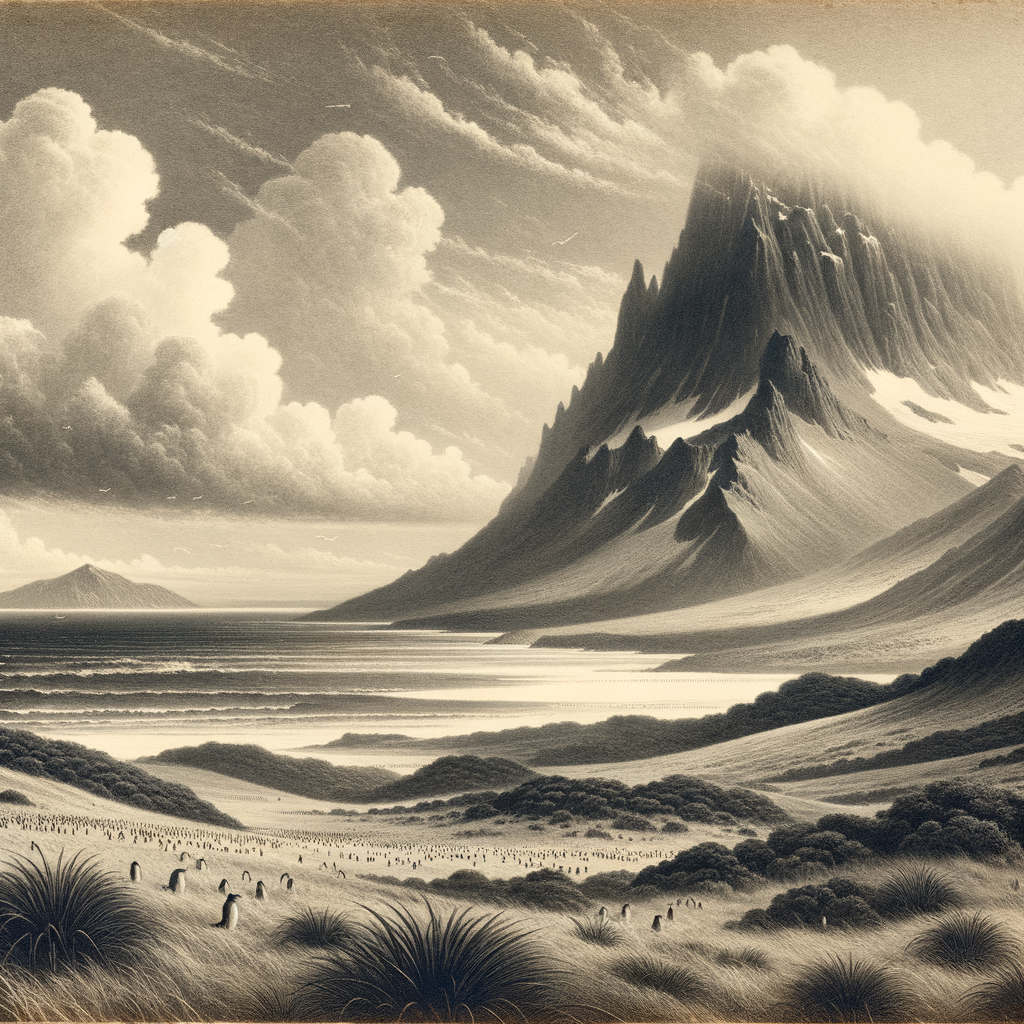
Storm-battered nesting grounds at Ile aux Cochons prompt conservation reassessment
A black mass in a vacant quarter of ocean Ile aux Cochons belongs to the French Southern and Antarctic Lands, yet even in a territory defined by distance it stands apart. The island lies in the Crozet archipelago of the southern Indian Ocean, far from regular sea routes and far from settlement, a steep volcanic…
-
For a handful of keepers, Hopen Island measures time differently
Few inhabited places on earth feel so provisional. In the southeastern reaches of the Svalbard archipelago, between the Barents Sea and the routes of weather moving out of the Arctic Ocean, Hopen Island lies long and narrow, a spare strip of rock and frozen ground about 33 kilometers in length and only a few kilometers…
-
Wolves, skulls and stone tools on Zhokhov Island rewrite Arctic origins
Few places have altered what scholars know about the human Arctic as sharply as Zhokhov Island. Set in Russia’s High Arctic, in the De Long group of the East Siberian Sea, it lies far north of the Siberian mainland within the New Siberian archipelago, a piece of tundra and frozen ground exposed to one of…